Hi everyone,
A new blood test caught 86.8 percent of early-stage pancreatic cancers in a 1,785-person study, and this is a cancer we almost never find early. I also found a few other studies I thought were interesting and useful for staying healthy: how 30 minutes of evening cycling protected memory the next day even on 4.5 hours of sleep, which drinks are linked to more depression and which one is linked to less, whether a daily statin is worth it after 70 if your heart is healthy, and a chemical in soft plastic that tracked with more autism and ADHD symptoms in kids, and what to use instead. Plus Dean Pohlman on yoga as the strength training most of us skip.

I am a neurosurgeon, and I built an app to exercise your brain. Nine puzzles cover the nine domains of thinking: memory, language, numbers, space, attention, logic, and planning. New puzzles are generated every day, so there is a fresh set waiting for you every morning. They are fun and a little addictive, and they do not feel like work. They feel like a game. I play mine every morning with my coffee. Free to play, no sign-up.
This Week’s Podcast Spotlight
Episode 72: A Yoga Expert and a Spine Surgeon Agree on the One Exercise Everyone Needs, with Dean Pohlman
Dean Pohlman founded Man Flow Yoga after wandering into a 105 degree hot yoga studio in 2012 as a college lacrosse player and finding out he was not as strong as he thought. Our conversation treats yoga as strength training, built on isometric holds like planks, side planks, and single leg bridges, where you hold a position instead of moving through reps. Those holds rebuild activation in the glutes, deep core, and shoulder stabilizers that sitting all day switches off. I can bench press a lot of weight and still start shaking in a 45 second side plank. Dean cites a 2017 study in which yoga worked as well as physical therapy for chronic low back pain, and we get into a study where three months of yoga kept gray matter from shrinking in women with early memory complaints, while a memory training group kept losing volume.
Three points from the conversation:
- Sitting all day switches off your glutes and deep core. Dean’s point is that once those muscles stop firing, they stay quiet even during the gym exercises meant to train them, and the surrounding muscles take over the work instead. The weakness never gets fixed, which is why plenty of people in their 40s, 50s, and 60s train hard and still have back, knee, and shoulder pain.
- Breathing is a trainable skill. A breathing assessment put Dean at about 90 percent of the expected value for his age, and a month into yoga he retested at around 110 to 115 percent with nothing else changed. The likely measure was forced expiratory volume, which is how much air you can push out of your lungs and a good indicator of how well they are actually working.
- Starting yoga costs almost nothing. A $10 mat, a screen, and a half hour at home is enough to begin. Pick a style and a teacher based on your current fitness level, not your age.
This Week in Health Science
Five studies from this week’s research, and I think you will find a few of them practically useful.
A New Blood Test Caught 87 Percent of Early Pancreatic Cancers in 1,785 People
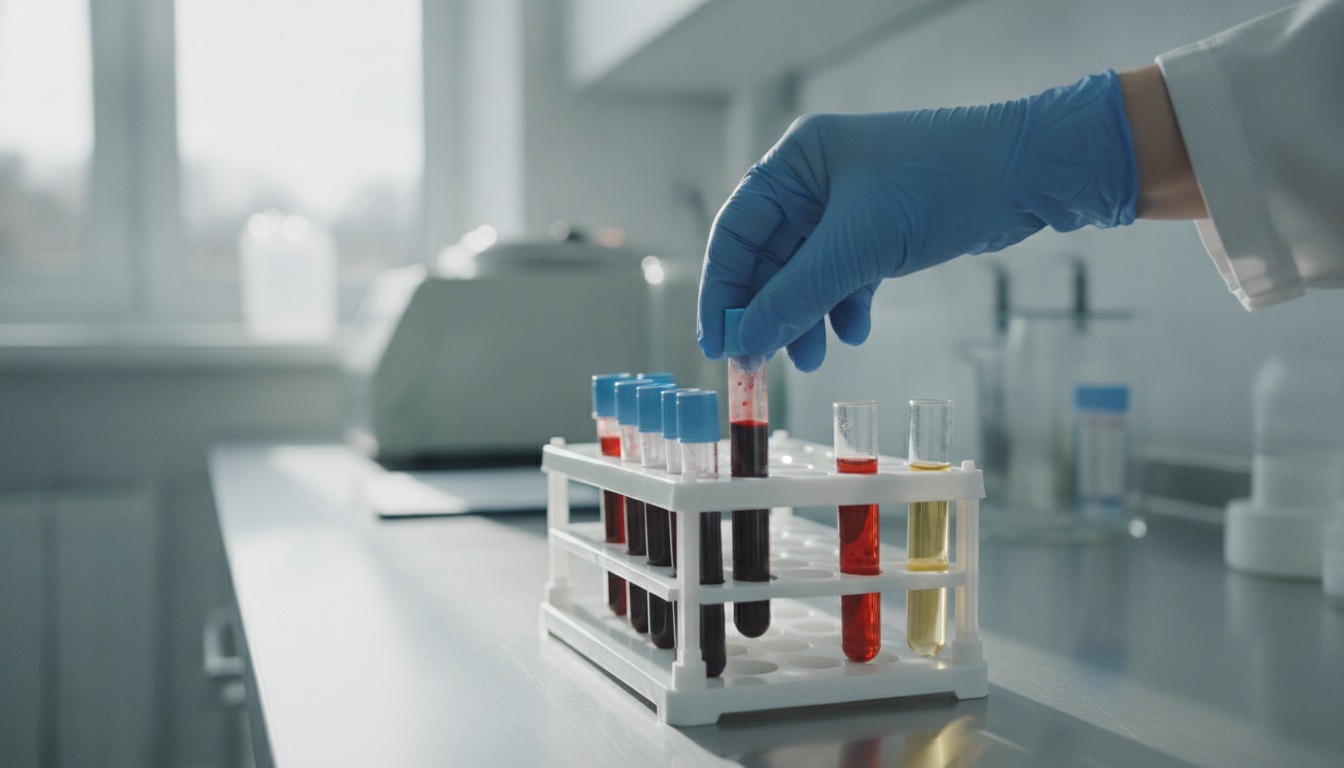
Pancreatic cancer is usually found late, and there is no blood test in clinical use that picks it up at an early stage. Researchers across four countries built one, called PANXEON, that combines 10 microRNAs, tiny bits of genetic material floating in the blood, with CA19-9, a marker that already exists. In 1,785 people, it caught 86.8 percent of stage I to II cancers. False alarms depended on who was tested: 3.2 percent of low-risk people without cancer got a positive result, compared with 15.6 percent of high-risk people. In a small group of 19 patients, microRNA levels fell with treatment and rose again before the cancer came back, which hints at a use for tracking relapse. This is still an investigational test you cannot order, and the authors frame it as an add-on to current strategies, not a replacement.
Key finding: PANXEON caught 86.8 percent of stage I to II pancreatic cancers, with a 3.2 percent false-positive rate in low-risk people without cancer.
30 Minutes of Evening Cycling Protected Memory Through a 4.5-Hour Night in 88 Young Adults

Most of us know when a short night is coming: an early flight, a night shift, a newborn. Researchers in Montreal randomized 88 healthy adults, average age 24, to 8.5 or 4.5 hours of sleep, with or without 30 minutes of moderate cycling at 7 p.m. At 10 p.m., everyone learned 80 face and name pairs. The short sleepers who had cycled remembered the pairs as well as both full-sleep groups, and significantly better than short sleepers who sat and rested. The share of the night spent in deep, slow-wave sleep statistically explained the benefit, so the workout seems to help the brain make better use of the sleep it does get. This was one night, in young people, on one memory task, so treat it as damage control for an occasional short night rather than a replacement for sleep.
Key finding: After a 4.5-hour night, young adults who did 30 minutes of moderate evening cycling scored on par with people who slept 8.5 hours on a memory test, and significantly better than short sleepers who rested.
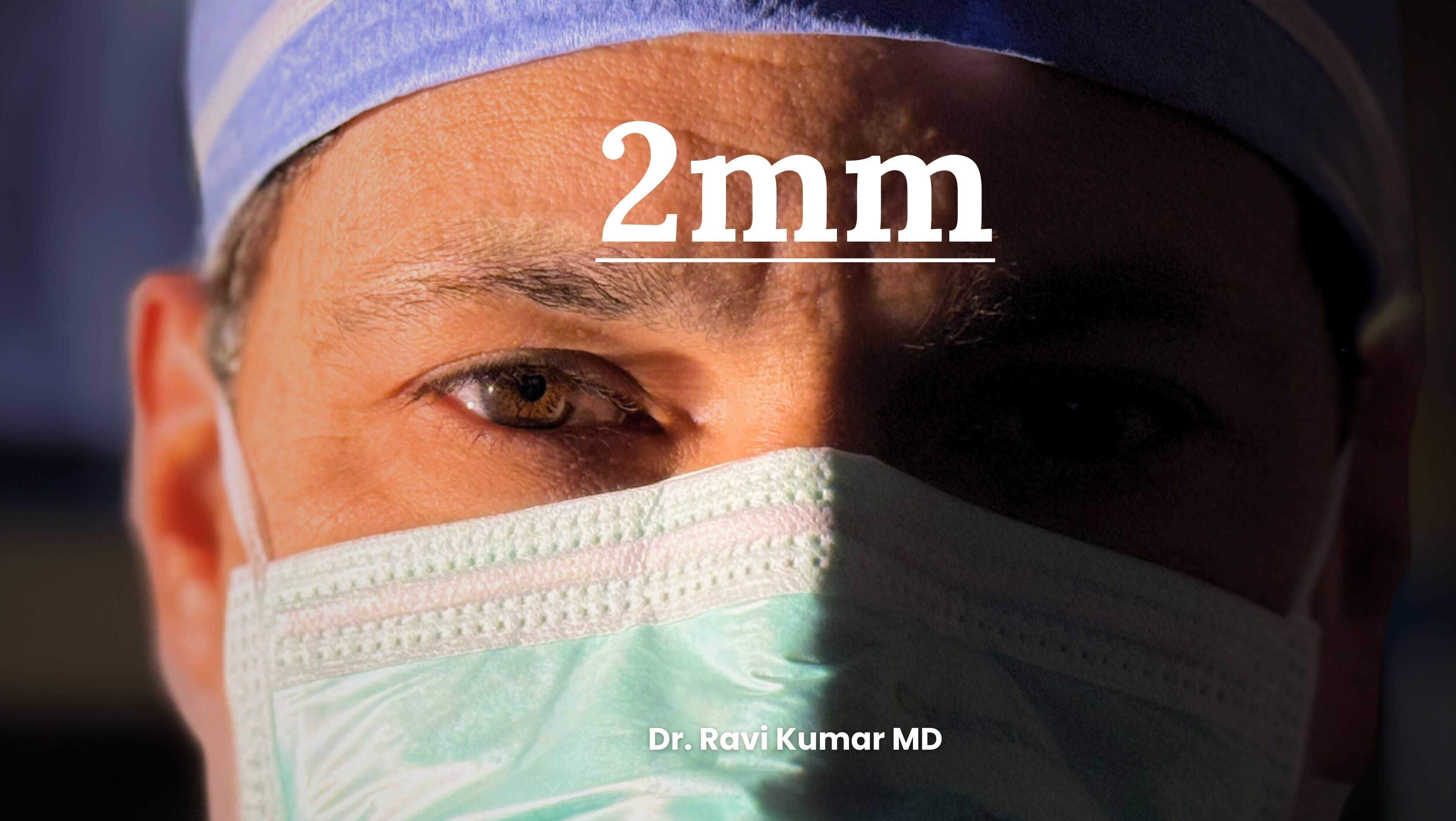
My book, 2mm, is almost here, and the first chapter is free to read right now. It is the story of seven years inside the operating room, where every decision is measured in millimeters and every millimeter matters. If you want to read the first chapter, go to 2mmbook.com.
Soda Tracked With 39 Percent Higher Odds of Depression and Coffee With 13 Percent Lower Across 2 Million People

This review pooled 59 studies of 2,050,716 people from 22 countries. Soft drinks went with about 39 percent higher odds of depression, and energy drinks and diet drinks both came in around 30 percent higher, so switching to diet did not escape the pattern. Bubble tea showed about 2.6 times the odds, though that estimate is imprecise. Coffee was the exception, with 13 percent lower odds. The big caveat: most of these studies were snapshots of drinking and mood at the same moment, and when the researchers looked only at studies that followed people over time, the overall link shrank and was no longer significant. Someone who feels low may reach for an energy drink, not the other way around. Still, cutting back on soda costs nothing, and if you already enjoy coffee, there is nothing here telling you to stop.
Key finding: Soft drinks were linked to about 39 percent higher odds of depression, and coffee to about 13 percent lower odds, across 59 studies of more than 2 million people.
A Daily Statin Cut Heart Events in 9,971 Healthy Adults Over 70 but Added No Healthy Years

The STAREE trial gave 9,971 Australians aged 70 and older, none with heart disease, diabetes, or dementia, either atorvastatin 40 mg or a placebo for about six years. Major cardiovascular events fell from 8.3 percent to 6.0 percent. That is the 30 percent relative drop that will make headlines, but in absolute terms 43 people had to take a pill every day for six years for one of them to avoid an event. The outcome that matters most at this age did not move: death, dementia, or lasting disability hit 12.8 percent on the statin and 13.6 percent on placebo, a gap consistent with chance. Muscle, liver, and diabetes-related problems were more common on the statin. Statins are applied far too widely outside people with established cardiovascular disease, and this trial does nothing to change that. If your doctor recommends starting a statin after 70 and you have never had heart disease, ask what your absolute risk reduction would be: how many percentage points it lowers your own chance of a heart attack or stroke, and how many people have to take it for one to benefit. A relative percentage on its own always sounds bigger than what you actually get.
Key finding: Atorvastatin lowered major heart and stroke events from 8.3 to 6.0 percent over six years in healthy adults over 70, one event avoided per 43 people treated, with no gain in years lived free of dementia or disability.
A Common Plastic Softener in Pregnancy Tracked With More Autism and ADHD Symptoms in 847 Children
DEHP is a phthalate, a chemical that makes PVC plastic soft, and it shows up in plastic food bags, hoses, and medical tubing. It also interferes with hormone signals. In 847 Australian children, higher DEHP levels in the mother’s urine during pregnancy went with more autism and ADHD symptoms at ages 2 and 4. The study also found a plausible route: chemical tags on a network of 531 genes in cord blood, packed with known autism and ADHD risk genes, explained roughly 21 to 80 percent of the link depending on the measure. This is observational, and the children were measured for symptoms rather than diagnosed. Almost every mother in the study was exposed, which makes this a food packaging policy issue more than a personal failing. Glass or stainless steel for storing and heating food during pregnancy is an easy step.
Key finding: Higher DEHP exposure before birth tracked with more autism and ADHD symptoms at ages 2 and 4 in 847 children, and gene tag changes in cord blood explained about 21 to 80 percent of that link.
Stay curious. Stay skeptical. And stay healthy.
Dr Kumar