Hi everyone,
People with early memory problems pause longer and speak a little more slowly. A records study of 833,417 US patients also linked a diagnosed voice disorder to about 29 percent higher risk of later cognitive decline. I also found a few other studies I thought were interesting and useful for staying healthy. They cover whether 10,000 IU of vitamin D a day is actually toxic, why years on a heartburn pill like omeprazole are tied to iron deficiency, whether coffee raises the testosterone your body can use, and whether women can keep taking creatine through their period. On the podcast, Ryan Estes and I talk about whether a robot could replace your surgeon.
A gift for you: your first month of BrainGamer is on me. I am a neurosurgeon, and I built BrainGamer to exercise the nine domains of thinking: memory, language, numbers, space, attention, logic, and planning. New puzzles are generated every day, and a set takes about five minutes. They work parts of your brain you do not normally push, but they feel like a game, not work. Sign up with just your email and you get every game, unlimited practice, and your full brain map, free for 30 days. There is no card and nothing to cancel, and after the month, 3 games stay free every day.
This Week’s Podcast Spotlight
Episode 77: Will a Robot Replace Your Surgeon? | Dr Ravi Kumar and Ryan Estes
Ryan Estes is a serial tech entrepreneur in Denver who hosts AI for Founders, where he interviews founders building in AI and robotics. This episode is a replay of a live show we streamed together, working through recent news stories on AI in medicine. The change most people will feel first is at the doctor’s office. AI scribes record the visit and write the note, so a note that used to take as long as the visit now takes about a minute. In a fifteen minute visit, that turns about five minutes of face time into thirteen or fourteen. Near the end, Ryan asked whether robots are coming for neurosurgery. Robots are already here, guiding spinal screws down a two millimeter corridor of bone with sub millimeter accuracy. A robot trained on 100,000 cases could be smarter on day one than a surgeon with thirty years of experience.
Four points from the conversation:
- One dropped word can change a diagnosis. An NHS AI scribe left “null” out of “null demyelination,” so a normal finding read like multiple sclerosis.
- 93 percent accuracy is a failing grade in medicine. That was the reported accuracy of the ChatGPT tool coming into Epic medical records. The other 7 percent could include a missed penicillin allergy.
- A split-second insurance denial is often not final. Requests for spinal cord decompression surgery get rejected almost instantly, and a doctor-to-doctor call with the insurer reverses most of them.
- Dogs and wearables are becoming screening tools. A company called Spot It Early has 15 trained beagles sniff a mask you breathe into for three minutes, checking for about four kinds of stage one cancer.
Two Live Events on Monday, October 26
Worldwide Zoom webinar · 7 to 9 p.m. Eastern
Alzheimer’s and Brain Health: What We Know, What We Question, and What We Can Do
Lilly McDermott of When You Need a Friend is hosting me for a two-hour webinar on dementia. We will cover what dementia is, what drives it, cholesterol and statins, ketones and MCT oil as another fuel for the brain, and the changes that make the biggest difference. You can type questions in the chat during the webinar, and I will answer them at the end. If you cannot make it live, you can send questions ahead of time, and every registrant gets the recording. Registration is $19.99. If the fee is a financial hardship, Lilly offers scholarships on request at [email protected].
Live on YouTube · 4 to 5 p.m. Eastern
Live with Ryan Estes, host of AI for Founders
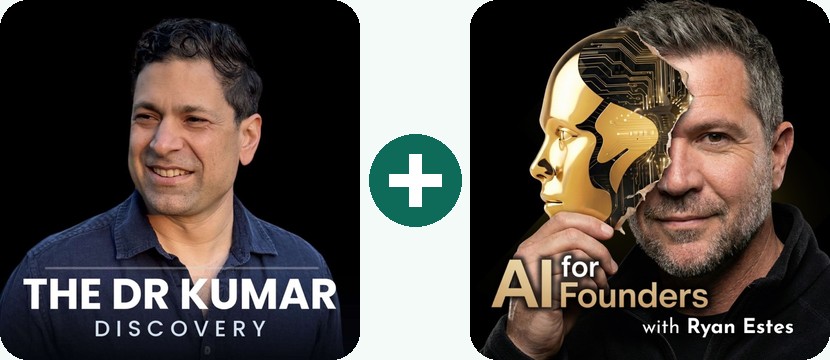
If you liked this week’s episode, Ryan and I are doing another live show that afternoon. It is free, and you can watch it live on my YouTube channel or from my website. Come hang out with us.
This Week in Health Science
Five health questions got full, study-by-study answers on the site this week. I think a few of them are practically useful.
A Voice Disorder Was Linked to 29 Percent Higher Risk of Memory Decline in 833,417 Patients

Speaking draws on memory, word finding, and fine muscle control all at once, so it can slip early. In pooled studies, people with mild cognitive impairment paused longer and spoke a little more slowly than healthy older adults. Mild cognitive impairment means memory or thinking problems that show up on tests but do not yet disrupt daily life. A US records study of 833,417 patients linked a diagnosed voice disorder to about 29 percent higher risk of later cognitive decline. People with both a voice disorder and hearing loss had about double the risk. That study used diagnosis codes, so it shows a link, not a cause. AI voice tests caught about 8 in 10 people with mild cognitive impairment but wrongly flagged about 23 in 100 people without it. If a family member starts pausing more, using vaguer words like “that thing,” and slipping on memory, ask their doctor for a memory evaluation.
Key finding: A diagnosed voice disorder was linked to about 29 percent higher risk of later cognitive decline in 833,417 US patients, and a voice disorder plus hearing loss to about double the risk.
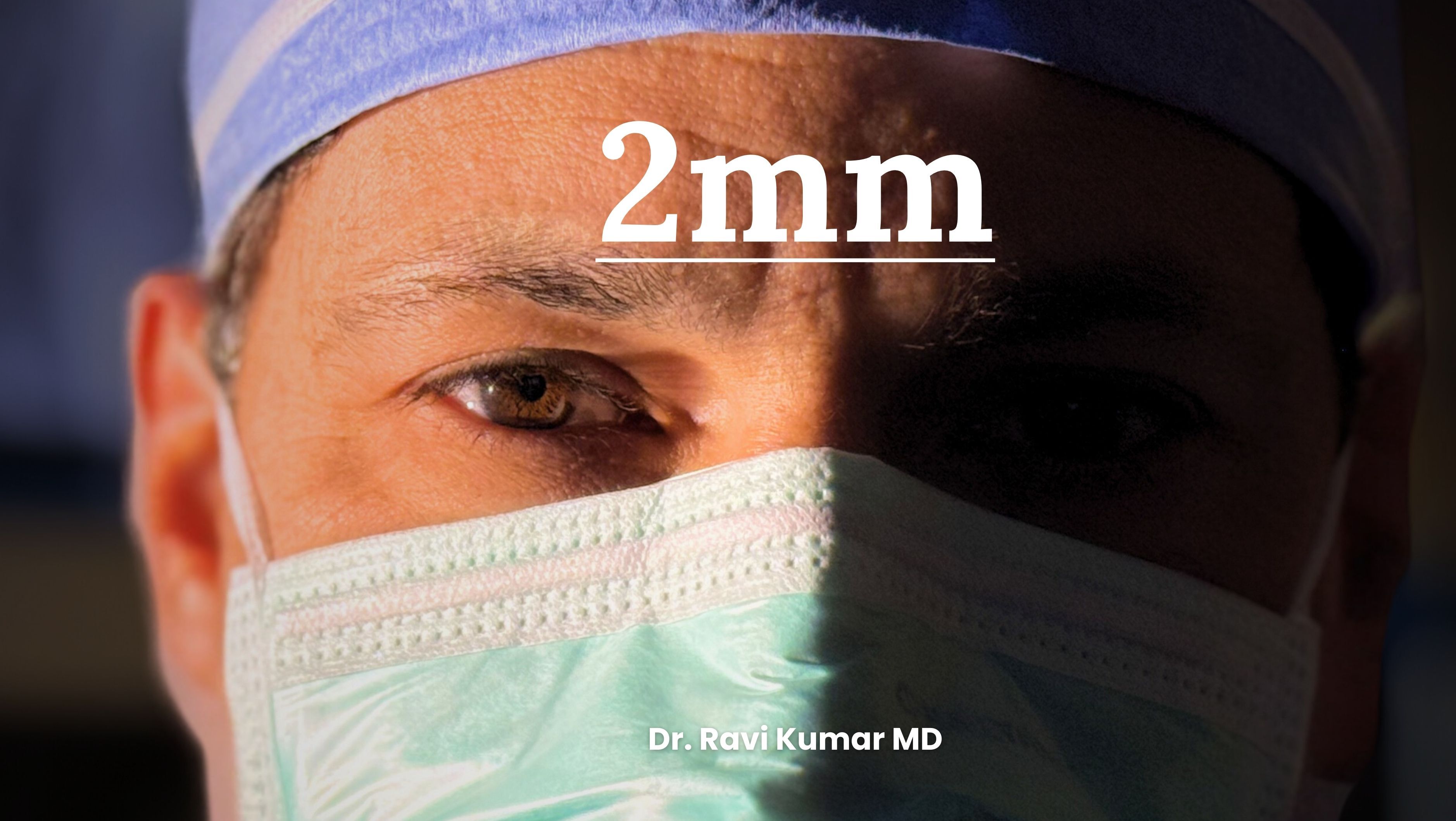
My book, 2mm, is almost here, and the first chapter is free to read right now. It is the story of seven years inside the operating room, where every decision is measured in millimeters and every millimeter matters. If you want to read the first chapter, go to 2mmbook.com.
10,000 IU of Vitamin D a Day Did Not Poison Anyone in a 3-Year Trial, but It Did Not Help Bones Either
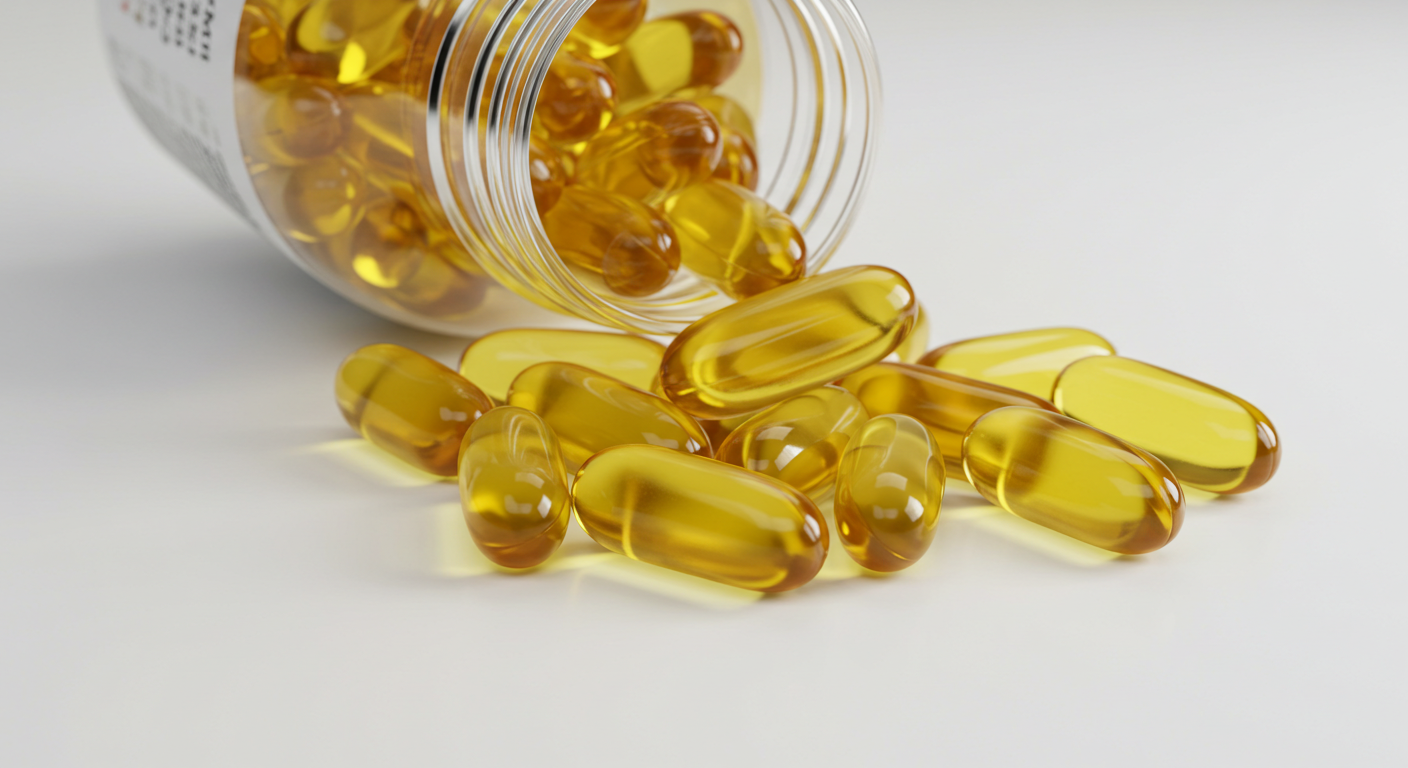
The official upper limit for adults is 4,000 IU a day. That is a safety margin, not the dose where harm starts. In a 3-year trial, 373 healthy adults aged 55 to 70 took 400, 4,000, or 10,000 IU of vitamin D3 a day. Nobody developed vitamin D poisoning. Mild high blood calcium showed up in 9 percent of the 10,000 IU group, and every case cleared on repeat testing. More was not better, though. Wrist bone density fell 3.5 percent on 10,000 IU and 1.2 percent on 400 IU, and bone strength did not differ. One giant dose a year did worse. In women 70 and older, a single 500,000 IU dose each year led to about 1 extra fracture per 100 women a year, or about 26 percent more. If you take more than 4,000 IU a day, ask your doctor to check your vitamin D blood level, called 25(OH)D, and your calcium.
Key finding: 10,000 IU a day for 3 years caused no vitamin D poisoning in 373 healthy adults, but it did not protect bone, and mild high calcium was more common than on 400 IU (9 percent versus 0 percent).
Years on Heartburn Pills Like Omeprazole Were Tied to 2 to 3.6 Times the Odds of Iron Deficiency
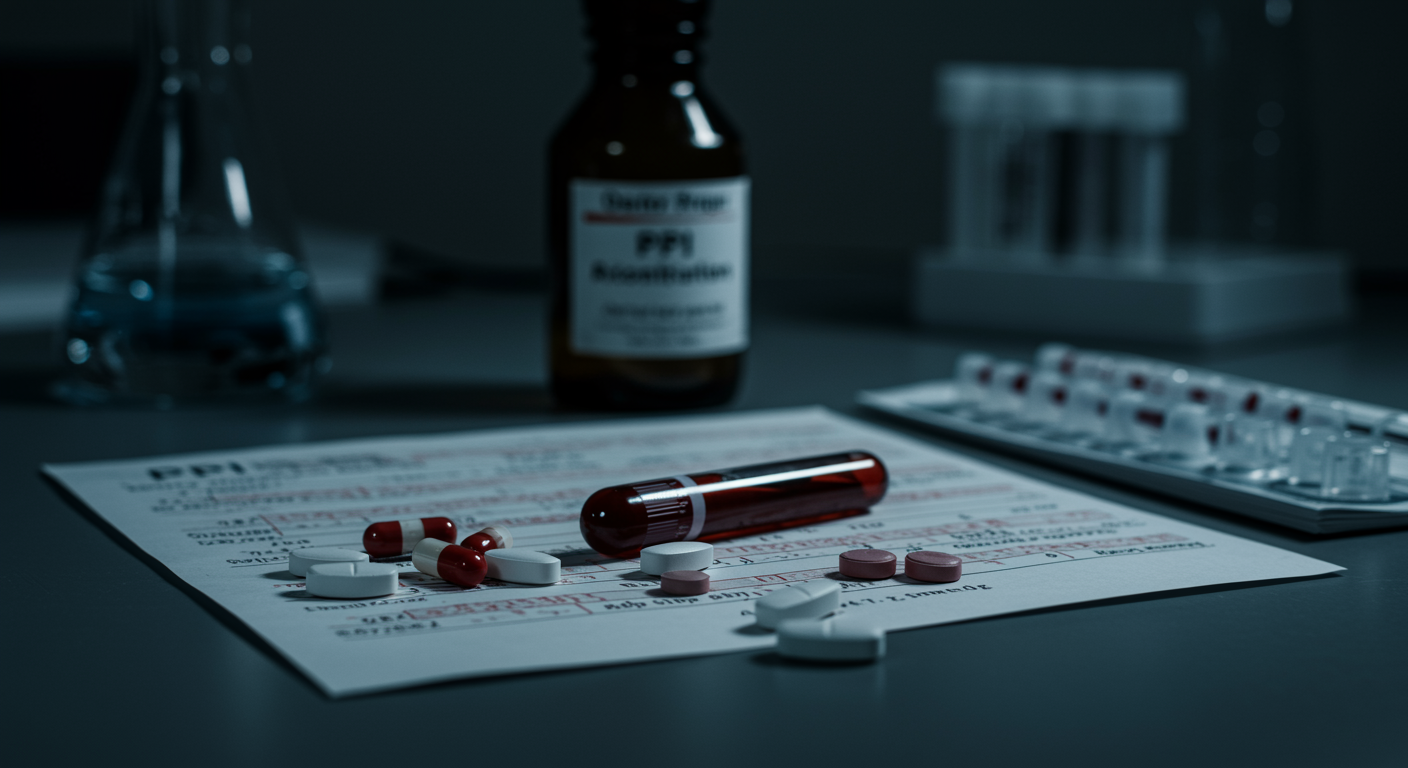
Proton pump inhibitors (PPIs) such as omeprazole (Prilosec), esomeprazole (Nexium), and pantoprazole (Protonix) block stomach acid. Stomach acid helps you absorb the iron in plants, grains, and supplements. In a UK study of 26,806 adults with iron deficiency, about 11 percent had taken a PPI continuously for a year or more, against about 4 percent of matched adults without it, or 260 percent higher odds. A Kaiser Permanente study of more than 466,000 people found 149 percent higher odds after 2 years. In both, risk rose with higher doses and longer use. These are observational studies, and people who need PPIs often have conditions that cause bleeding, which drains iron on its own. Low iron hides behind vague symptoms like tiredness, getting winded on stairs, or restless legs. If you have taken a PPI for more than a year, ask your doctor for a ferritin test, which measures your iron stores, and whether a lower dose would still work.
Key finding: Taking a PPI continuously for a year or more was tied to 260 percent higher odds of iron deficiency in 26,806 UK adults, with risk rising with dose and time.
Coffee Drinkers Had About 5 Percent More Testosterone, but Not More of the Free Kind the Body Uses

In two Harvard cohorts that included 7,397 men, those who drank four or more cups of coffee a day had 5.3 percent higher total testosterone than men who drank none. The catch is a carrier protein called SHBG, which holds testosterone tightly in the blood. Coffee drinkers had more SHBG too. Among the men in a Finnish study of 2,264 adults, coffee went with higher total testosterone but lower free testosterone, the part your tissues can use. The only randomized trial had 42 overweight adults drink five cups a day for 8 weeks and found no change in testosterone. Decaf looked about the same as regular in the Harvard data, so caffeine does not seem to be the active ingredient. The good news is that coffee does not appear to lower testosterone either. If you are getting testosterone checked, have it drawn in the morning, when levels peak, and ask whether free testosterone should be measured too.
Key finding: Men drinking four or more cups a day had 5.3 percent higher total testosterone, but the only randomized trial found no change after 8 weeks.
Creatine Showed No Serious Side Effects Across 29 Studies in 951 Women, and No Link to Late Periods

A lot of women worry that creatine will throw off their cycle. A review of 29 studies with 951 women found no serious side effects. Side effects, weight gain, and kidney and liver tests were no worse than placebo. No study has linked creatine to a late or missed period. Creatine is not a hormone. Your body makes it from amino acids, and muscles use it for short bursts of effort. The menstrual cycle does change how creatine behaves. In a trial of 30 active women, loading 20 grams a day for 5 days after ovulation added about 0.83 liters of body water, but body weight did not change. The cycle trials were small and came from one lab with industry ties. A steady 3 to 5 grams a day, including period days, is the simplest approach. If your period is late while you take creatine, check for pregnancy, stress, under-eating, a jump in training, and thyroid problems first.
Key finding: A review of 29 studies in 951 women found no serious side effects from creatine, and no study has tied it to a late or missed period.
Stay curious. Stay skeptical. And stay healthy.
Dr Kumar