Hi everyone,
If you wake up at 7 a.m., by midnight you have been awake 17 hours. In lab tests, that much time awake impaired people on some tests as much as a 0.05 percent blood alcohol level. I also found answers to a few other questions I thought were useful: whether vitamin K2 is safe with Eliquis or warfarin, whether nicotine patches slow Parkinson’s disease, which kind of red light actually eased knee arthritis pain, and which hair loss drug grows the most hair. On the podcast, I revisit why the Alzheimer’s gene APOE4 is not the death sentence it sounds like.
That episode is also a warm-up for something new. On Monday, October 26, I am doing two live events: a live show with Ryan Estes of AI for Founders in the afternoon, and a two-hour worldwide webinar on Alzheimer’s and brain health with Lilly McDermott that evening. Details and a 50 percent discount code are below.
A gift for you: your first month of BrainGamer is on me. I am a neurosurgeon, and I built BrainGamer to exercise the nine domains of thinking: memory, language, numbers, space, attention, logic, and planning. New puzzles are generated every day, and a set takes about five minutes. They work parts of your brain you do not normally push, but they feel like a game, not work. Sign up with just your email and you get every game, unlimited practice, and your full brain map, free for 30 days. There is no card and nothing to cancel, and after the month, 3 games stay free every day.
This Week’s Podcast Spotlight
Episode 71: The Science of APOE4: Why Evolution Kept the Alzheimer’s Gene
APOE4 is the strongest common genetic risk factor for Alzheimer’s disease. About one in four people carry it, and I carry one copy myself. I am bringing this solo episode back because it is a good primer for the webinar on the 26th. The main idea is that APOE4 is a mismatch, not a defect. It was the original version of the gene, tuned for a world full of infection. It now runs in bodies living long lives on processed food. That matters because a mismatch is something you can work on. Even with two copies, about 4 in 10 people reach age 85 without developing Alzheimer’s. The second half of the episode covers what can move your risk: deep sleep, blood sugar, blood pressure in midlife, hearing, and vision.
What we got into:
- APOE4 still helps in some settings. Among the Tsimane in the Bolivian Amazon, carriers with heavy parasite infections held onto their memory while non-carriers declined.
- Two copies is not a verdict. Lifetime risk by 85 is about 51 percent for men and 60 percent for women with two copies. That leaves roughly 4 in 10 who never develop Alzheimer’s.
- Diabetes and APOE4 together multiply risk. One study found the combination carried 5.5 times the risk of having neither.
- Your 40s and 50s are the window. High blood pressure in midlife roughly doubled later Alzheimer’s risk in a study of nearly 1,500 people.
Two Live Events on Monday, October 26
Worldwide Zoom webinar · 7 to 9 p.m. Eastern
Alzheimer’s and Brain Health: What We Know, What We Question, and What We Can Do
Lilly McDermott of When You Need a Friend is hosting me for a two-hour webinar on dementia. We will cover what dementia is, what drives it, cholesterol and statins, ketones and MCT oil as another fuel for the brain, and the changes that make the biggest difference. If Alzheimer’s runs in your family, or the APOE4 episode left you with questions, this is the place to ask them. You can type questions in the chat during the webinar, and I will answer them at the end. If you cannot make it live, you can send questions ahead of time, and every registrant gets the recording.
Readers of this newsletter get 50 percent off with code Lilly50 at checkout, through Wednesday, October 21. Regular registration is $19.99. If the fee is a financial hardship, Lilly offers scholarships on request at [email protected].
Live on YouTube · 4 to 5 p.m. Eastern
Live with Ryan Estes, host of AI for Founders
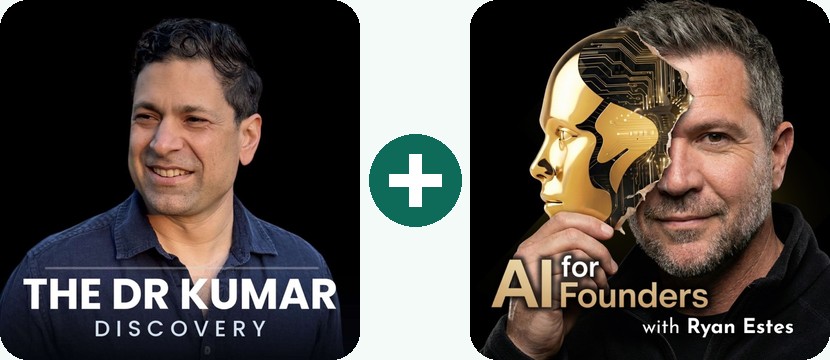
Earlier that afternoon, Ryan and I are doing a live episode together. It is free, and you can watch it live on my YouTube channel or from my website. Come hang out with us.
This Week in Health Science
Five common health questions got full answers on the site this week, each one built from the best studies available. I think you will find a few of them practically useful.
Staying Awake 17 to 19 Hours Slowed Reactions as Much as a 0.05 Percent Blood Alcohol Level

Lab studies tested the same people twice: once kept awake, and once given measured doses of alcohol. In 39 workers and soldiers, 17 to 19 hours awake matched a 0.05 percent blood alcohol level on some tests, with reactions up to 50 percent slower. In 22 young adults, 20 to 25 hours awake matched 0.10 percent, which is above the US driving limit of 0.08. The two also add up. In 19 professional drivers who had been awake 18 to 21 hours, a blood alcohol of just 0.03 percent, about one or two drinks, impaired their driving more than 0.05 percent did when they were rested. These were small lab studies, mostly in young, healthy people. If you are tired behind the wheel, pull over, drink a coffee, and take a nap of under 15 minutes. In one study, that combination cut driving errors to 9 percent of the placebo level.
Key finding: 17 to 19 hours awake impaired people about as much as a 0.05 percent blood alcohol level, and 20 to 25 hours matched 0.10 percent.
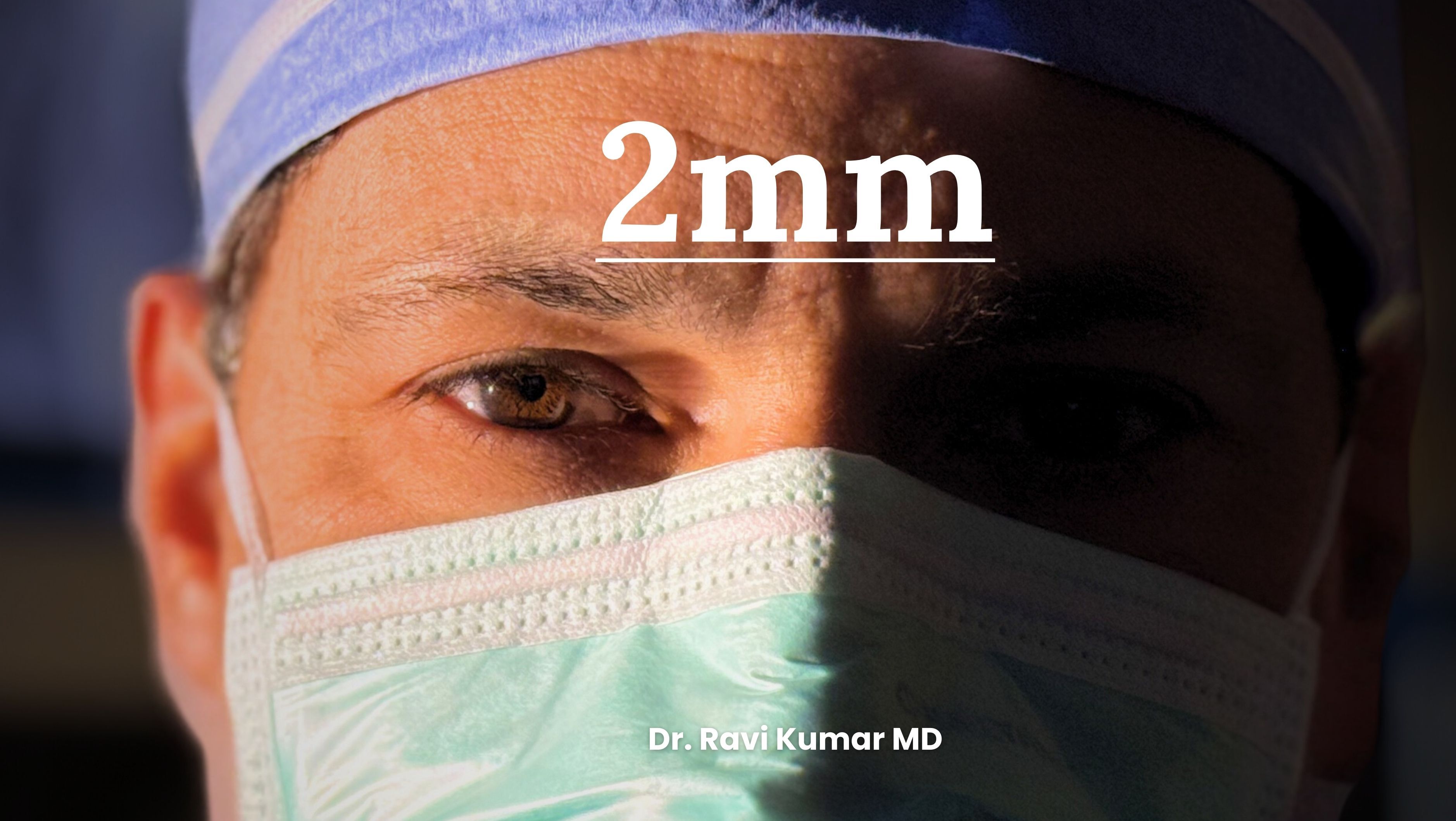
My book, 2mm, is almost here, and the first chapter is free to read right now. It is the story of seven years inside the operating room, where every decision is measured in millimeters and every millimeter matters. If you want to read the first chapter, go to 2mmbook.com.
Vitamin K2 Weakened Warfarin at 10 mcg a Day, but It Has No Known Way to Weaken Eliquis
Whether vitamin K2 is safe depends on which blood thinner you take. Warfarin works by blocking vitamin K, so extra K2 pushes back against it. In a trial of healthy volunteers on a warfarin-like drug, 45 mcg a day of MK-7, the common supplement form of K2, lowered the INR by about 40 percent. The INR is the blood test that tracks how thin your blood is. Even 10 mcg a day lowered it enough to matter in at least 40 percent of people. Eliquis (apixaban) works differently. It blocks a clotting protein directly and does not depend on vitamin K. No study has tested K2 with Eliquis. A trial in dialysis patients that added high-dose K2 to Xarelto, which works the same way, found no rise in strokes or heart events. If you take warfarin, do not start, stop, or change a K2 supplement on your own, and check your multivitamin and any “D3 plus K2” product for MK-7.
Key finding: 10 mcg of vitamin K2 a day lowered the INR enough to matter in at least 40 percent of people on a warfarin-like drug, while Eliquis has no known interaction.
Nicotine Patches Did Not Slow Parkinson’s Disease in a Year-Long Trial of 163 People
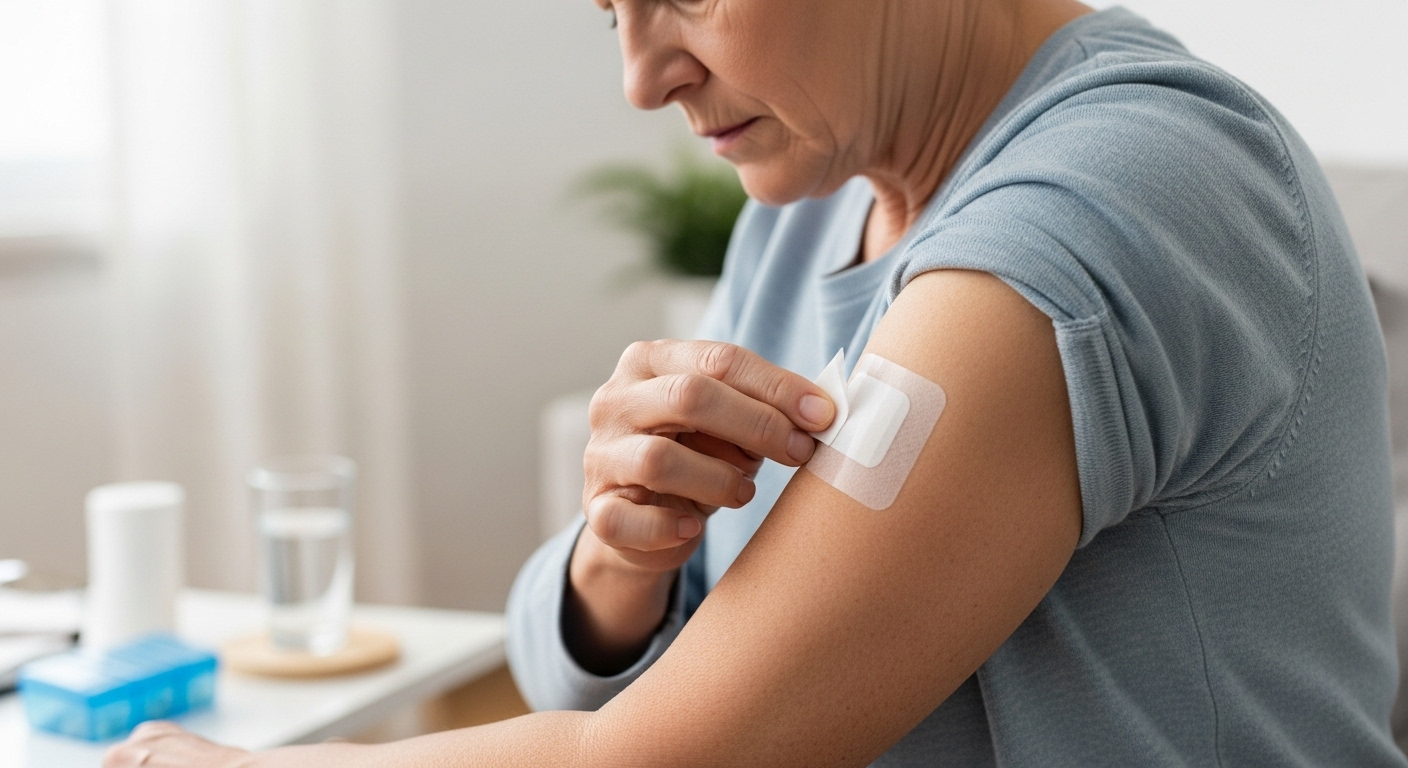
Smokers get Parkinson’s less often than nonsmokers. In a pooled analysis of 48 studies, people who had ever smoked had about 41 percent lower risk. That made nicotine a logical treatment to test. In the largest trial, 163 people with early Parkinson’s wore a nicotine patch or a placebo patch for a year. Symptom scores worsened by 3.5 points on placebo and 6.0 points on nicotine over 60 weeks. The difference was not statistically significant, but the nicotine group did not do better. A pooled analysis of five randomized trials found no improvement in movement, daily function, or thinking. One explanation for the smoking link is that early Parkinson’s makes nicotine less rewarding, so people who will later get the disease find it easier to quit. If you or someone you love has Parkinson’s, skip nicotine patches, gum, and vapes. Regular exercise is part of standard Parkinson’s care and helps with mobility and balance.
Key finding: A year of nicotine patches did not slow early Parkinson’s in 163 people, and five pooled trials found no improvement in symptoms.
Near-Infrared Light Eased Knee Arthritis Pain by 14 Points, but Added Nothing to Exercise

“Red light therapy” for sore knees is better supported than most people assume. Across 22 trials with 1,063 people, light on the knee lowered osteoarthritis pain about 14 points more than a fake device, on a 100-point scale. When the dose matched expert recommendations, the gap grew to about 19 points. The catch is the type of light. Most trials that worked used invisible near-infrared lasers, mainly at wavelengths of 785 to 860 or 904 to 905 nanometers, at a set dose per spot. That is not what most home red light panels deliver. In a trial of 127 people who were already doing strengthening exercises, adding light therapy made no difference to pain or function. If your knees hurt, start with a strengthening program. If you want to add light, look for a near-infrared device used 2 to 3 times a week.
Key finding: Light therapy lowered knee arthritis pain about 14 points on a 100-point scale versus a fake device across 22 trials, but it added nothing for people already doing strength training.
Dutasteride Grew More Hair Than Finasteride or Minoxidil Across Dozens of Trials in Men
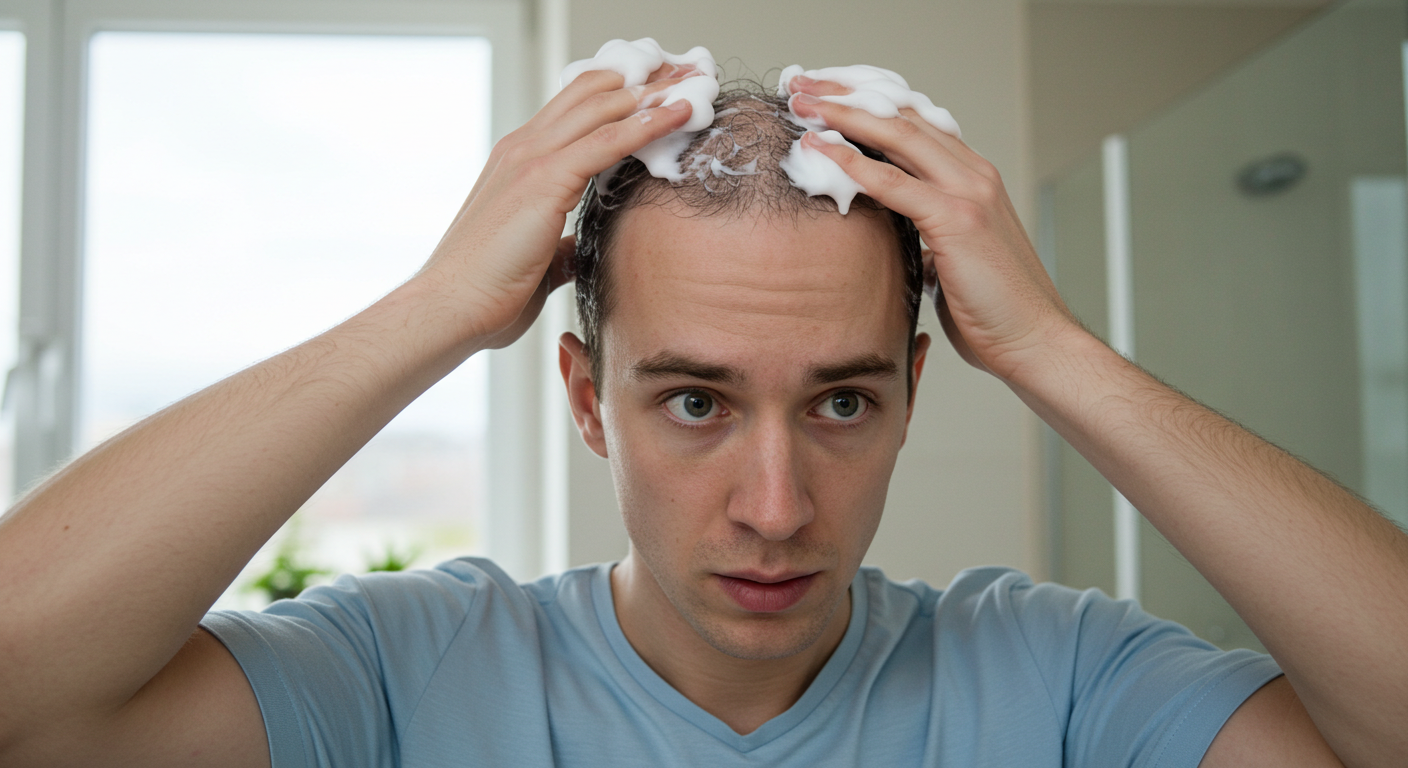
Few trials test all three hair loss drugs side by side, so researchers compared them across many trials. In an analysis of 23 studies in men, dutasteride 0.5 mg a day added the most hair at 24 weeks. Dutasteride blocks both enzymes that make DHT, the hormone that shrinks hair follicles, while finasteride blocks only one. In a direct trial of 917 men, dutasteride grew more and thicker hair than finasteride, with similar side effects. The catch is that dutasteride is not FDA approved for hair loss in the US. It also stays in the body for about 5 weeks, so a side effect can take a long time to wear off. Minoxidil works differently, and finasteride plus topical minoxidil looked better in photos than either drug alone. If you are thinking about treating hair loss, ask your doctor about combining minoxidil with finasteride or dutasteride.
Key finding: Dutasteride ranked first for total hair growth in men across 23 studies, and beat finasteride head to head in a 917-man trial.
Stay curious. Stay skeptical. And stay healthy.
Dr Kumar