Hi everyone,
In a pooled analysis of 4.2 million adults, movement in your free time was tied to about 24 percent lower dementia risk, while movement on the job was tied to about 20 percent higher risk. Same steps, opposite direction. A few other studies I thought were interesting and useful for staying healthy: creatine built lean tissue in people who never trained, 20 minutes of cycling matched a 90 minute nap for protecting memory after an all-nighter, severe gum disease tracked with hidden plaque in the heart arteries, and a gut-guided diet for IBS was still working a year later. Plus a podcast on treating cancer as a metabolic disease.
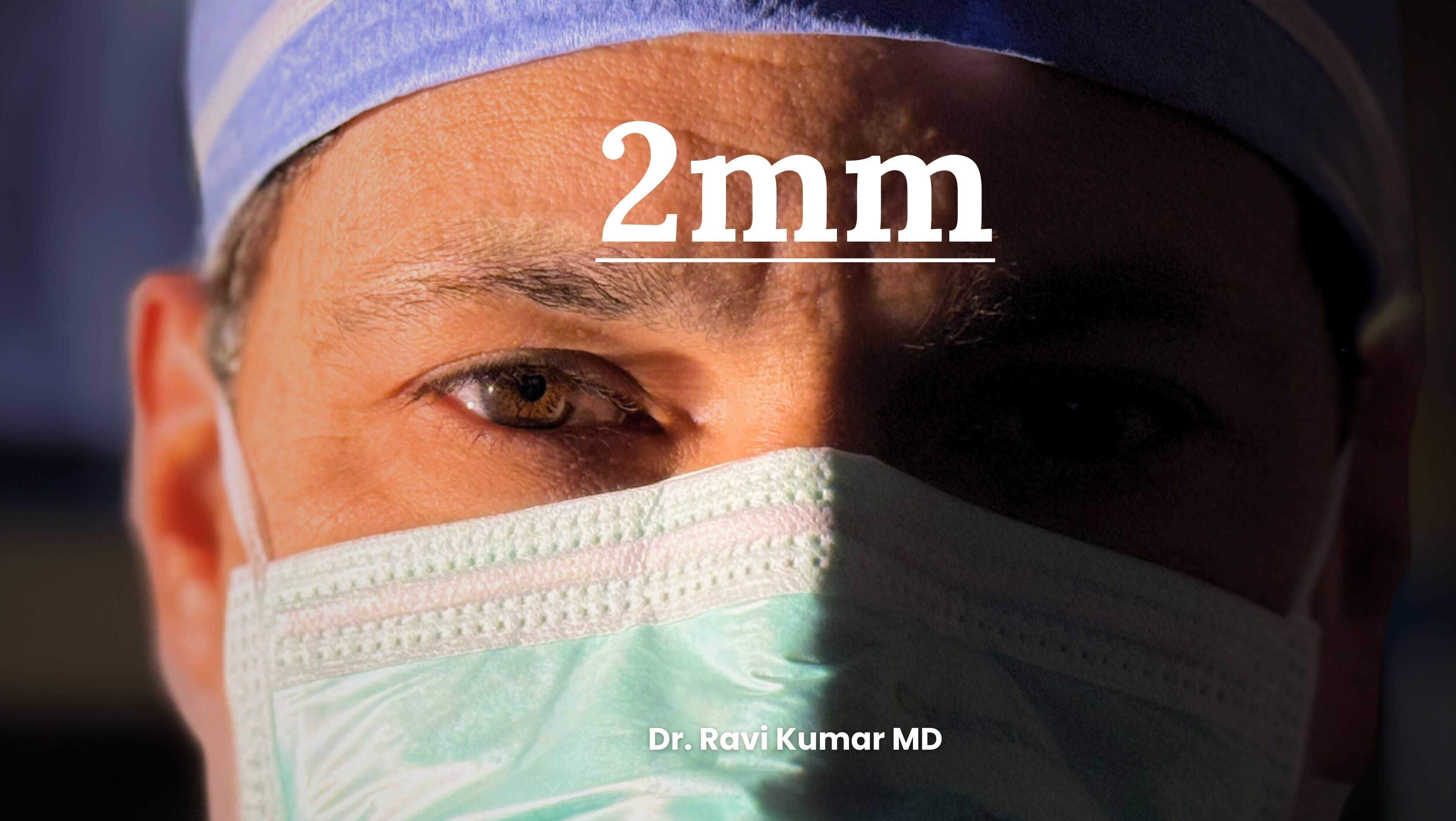
My book, 2mm, is almost here. It is the story of seven years inside the operating room, where every decision is measured in millimeters and every millimeter matters. If you want to be the first to know when it is available, leave your email at 2mmbook.com.
This Week’s Podcast Spotlight
Episode 69: The Cancer Add-On Therapies Most Oncologists Never Mention | Dr. Casey Peavler
Press pulse is a framework for treating cancer as a metabolic problem, and it has two parts. The press is chronic: a therapeutic ketogenic diet plus stress reduction, run over months, to squeeze the glucose and glutamine that a cancer cell with damaged mitochondria cannot do without. The pulse is intermittent: high dose IV vitamin C or hyperbaric oxygen, delivered when that cell is already cornered and has nothing left to buffer the hit with. Dr. Casey Peavler is a hospitalist and former Air Force flight surgeon who has spent years on this science and runs a channel with more than 200 long form videos breaking it down. The reason the pulse works at all is a number I had not appreciated: roughly 80 percent of the NADPH a cell uses to power its own antioxidant defenses comes from glucose and glutamine metabolism, so cutting the fuel disarms the tumor at the same time it starves it. On the results side, adding IV vitamin C to standard care has roughly doubled survival in pancreatic cancer trials, from about eight months to sixteen. I asked him early on whether cancer is a metabolic disease, and his answer was that mitochondrial dysfunction likely comes first and the genetic mutations follow.
Three points from Dr. Peavler:
- The antioxidant answer flips after a diagnosis. An antioxidant rich diet may help prevent cancer, but once cancer is present, supplements like NAC appear to worsen disease control and mortality.
- Vitamin C at infusion doses is not acting like a vitamin. It becomes a pro-oxidant, reacting with iron outside the cell to generate free radicals, and oral or liposomal forms cannot reach that concentration.
- The best prevention levers cost nothing. Real sunlight, protected sleep and circadian rhythm, lower chronic stress, and less ultra-processed food target the same metabolic pathways.
This Week in Health Science
Five studies from this week’s research, and I think you will find a few of them practically useful.
Exercise at Work Raised Dementia Risk 20 Percent While Leisure Exercise Cut It 24 Percent

Almost every piece of advice about movement and the brain treats a step as a step. This meta-analysis in The Lancet Public Health, pooling 74 studies and more than 4.2 million adults, split activity by where it came from: leisure time, work, household chores, and commuting. Leisure-time activity was linked to about 24 percent lower dementia risk. Occupational activity went the other way, about 20 percent higher, and commuting about 10 percent higher. This is the physical activity paradox that cardiologists have described for years, showing up in the brain for the first time. I would not read it as “a physical job gives you dementia.” The occupational number rests on only 5 studies and its lower bound sits right at the edge of no effect, and shift work, income, education, and air quality all travel with physically demanding jobs. What it does undercut is the assumption that a hard day of labor counts as your exercise. If your work leaves you wrecked rather than restored, you are probably not banking the brain benefit you think you are. All of this is observational and the authors rated the certainty as very low to low, so treat it as a strong hypothesis, not a settled fact.
Key finding: Across 74 studies and 4,227,297 adults followed a median of 10 years, high leisure-time activity carried about 24 percent lower dementia risk (RR 0.76), while high occupational activity carried about 20 percent higher risk (RR 1.20).
Creatine Built Lean Tissue in Middle-Aged Adults Who Did Not Exercise at All
Creatine is almost always studied as a training aid, which leaves an obvious question unanswered: what does it do on its own? This 12-week trial in 64 sedentary adults aged 45 to 65 gave half of them 10 grams a day, split into two 5-gram doses, and half a placebo, then measured everyone with DXA scans. The group taking creatine without any exercise increased lean tissue mass, leg press and bench press maximums, and muscular endurance. The group that trained and cut 300 to 500 calories a day dropped body fat about 3 percentage points on creatine versus about 2 on placebo. Some of the lean tissue gain is water pulled into muscle cells, which is a known creatine effect, so it is not all new contractile tissue. Two caveats worth carrying: the memory results everyone is going to quote were scattered across the test battery and labeled exploratory by the authors themselves, and the senior author chairs the scientific advisory board of a creatine manufacturer, which is disclosed in the paper. One practical note if you do supplement: creatine raises creatinine on a routine lab panel without any change in kidney function, so tell whoever ordered the test.
Key finding: Over 12 weeks in adults averaging 54.5 years old, 10 grams of creatine a day increased lean tissue mass, strength, and muscular endurance even in the group that did no training at all, with side effects no more common than placebo.
20 Minutes of Cycling Protected Memory After an All-Nighter as Well as a 90-Minute Nap

Researchers at McGill kept 53 healthy young adults awake for 30 straight hours, then randomly assigned each person to 20 minutes of hard cycling at 80 percent of maximum heart rate, a 90-minute nap opportunity, or 20 minutes sitting on the same bike without pedaling. Everyone then viewed a series of images while wearing a 64-channel EEG cap, and came back three days later for a surprise memory test. The cyclists recognized about 21 percent more images than the people who sat still, the nappers about 23 percent, and the two did not differ from each other. The EEG shows they got there by different routes. The nap lowered sleep pressure, the slow electrical waves that build the longer you stay awake, which made the brain receptive to new information. Exercise did not touch sleep pressure at all; instead memory tracked attention and processing signals, meaning a tired brain squeezed more out of what it had left. Fatigue ratings after cycling were no worse than after sitting. This is not a case for skipping sleep, and the authors say so directly. It is a useful option for a night shift or a long drive where a nap is not on the table: if you are already up and about to learn something, move first.
Key finding: After 30 hours without sleep, 20 minutes of hard cycling and a 90-minute nap each left recognition memory about 22 percent better than doing nothing (P = 0.0161), with large effect sizes and no difference between the two.
Severe Gum Disease Came With 42 Percent More Heart Events in 29,056 Swedish Adults

The gum disease and heart disease link has been around for years, but this study had something most of them do not: CT scans of the heart arteries in tens of thousands of people with no cardiac symptoms at all. Severe periodontitis, present in 6 percent of the group, came with about 69 percent higher odds of a severe coronary calcium score and about 40 percent higher odds of plaque spread across more than four artery segments. The mediation analysis is the part I find most useful, because it asks how the link works rather than just whether it exists: the higher event rate was partly explained by the plaque already sitting in those arteries, not by some separate channel. One detail sharpens it further. The association was strongest in people who had gum disease without cavities, which argues against this being a general marker of poor dental care and points at the inflamed gum tissue itself. This is observational, so periodontitis may be a marker of coronary risk rather than a cause of it, and the confidence interval on the event risk nearly touches no effect. Still, a marker is worth something when it is this cheap to notice.
Key finding: Among 29,056 adults with no heart symptoms, severe gum disease carried about a 42 percent higher risk of a coronary heart disease event (hazard ratio 1.42, 95% CI 1.03 to 1.97) and about 69 percent higher odds of a calcium score above 300.
A Gut-Guided Diet Beat Low-FODMAP for IBS a Full Year After Both Diets Ended

Low-FODMAP is the standard dietary treatment for irritable bowel syndrome, and it works. The question nobody had answered is what happens after the dietitian visits stop. This trial profiled each person’s gut bacteria and built a diet around that profile, ran it for six weeks against standard low-FODMAP, then withdrew all dietary support and watched for a year. At 12 months the personalized group was still 78.3 points below baseline on the standard IBS severity score, while the low-FODMAP group had drifted 29.3 points worse than where they started. Counting responders, that is 62.5 percent versus 34.5 percent, roughly four people needing the personalized diet for one extra person to still be doing well a year later. Anxiety, depression, and quality of life scores moved the same way. A treatment that only works while someone is watching is not much of a treatment for a lifelong condition, which is what makes the durability the interesting result here. Two honest limits: it was open-label, and knowing your diet was built for you personally can shift how you score your own symptoms. And this was a supervised research protocol, not a commercial app that reads a stool sample and hands you a food list.
Key finding: Twelve months after a six-week diet ended with no further support, 62.5 percent of the microbiome-guided group were still responders versus 34.5 percent on low-FODMAP, an absolute gap of 28 percentage points (95% CI 4.2 to 47.7).
Stay curious. Stay skeptical. And stay healthy.
Dr Kumar