Hi everyone,
A lot of what caught my eye this week came down to the same quiet idea: some of the cheapest, simplest moves in medicine are the ones doing the heavy lifting. A toothbrush cut a dangerous infection by more than half, a vaccine given in school drove an entire age group’s cervical cancer deaths to zero, and a 21-year study found that changing your habits protected people in ways a popular drug did not. I also sat down with Dr. David Schechter for a fascinating conversation about how the brain can switch chronic pain on and off. Here is what stood out.
This Week’s Podcast Spotlight
Episode 60: Stuck in Chronic Pain? Here’s How the Brain Can Turn It Back Off with Dr David Schechter, MD
As a neurosurgeon, I was trained to hunt for a structural cause for pain: a worn disc, a pinched nerve, something that shows up on a scan and needs a pill, an injection, or surgery. So I came into this conversation as the skeptic. Dr David Schechter is a sports and mind-body medicine specialist who trained directly under Dr John Sarno, and he makes a careful, evidence-based case that a huge amount of chronic pain is not coming from ongoing damage at all. The pain is completely real, but it is being generated and amplified by the nervous system itself. What I appreciated is that he is not anti-medicine. He insists on ruling out dangerous structural causes first, which is exactly why a surgeon and a mind-body physician having this talk together felt so useful.
Three things that stood out:
- Your scan may not explain your pain. Decades of imaging studies show that many people walk around with large, painless disc herniations, while others with clean MRIs are in agony. Imaging alone rarely tells the whole story.
- The brain runs pain in both directions. It constantly turns signals down or cranks them up, and after a few months pain can get stuck in the nervous system long after the body has healed.
- Much of the treatment costs nothing. In trials like the Boulder study, learning that pain is real but not dangerous, gentle journaling, and a graded return to activity sent a large share of people’s pain toward zero.
This Week in Health Science
Here is what stood out from the research this week. These studies fascinated me, and I think you will find a few of them practically useful.
Lifestyle Quietly Beat a Popular Drug Over 21 Years
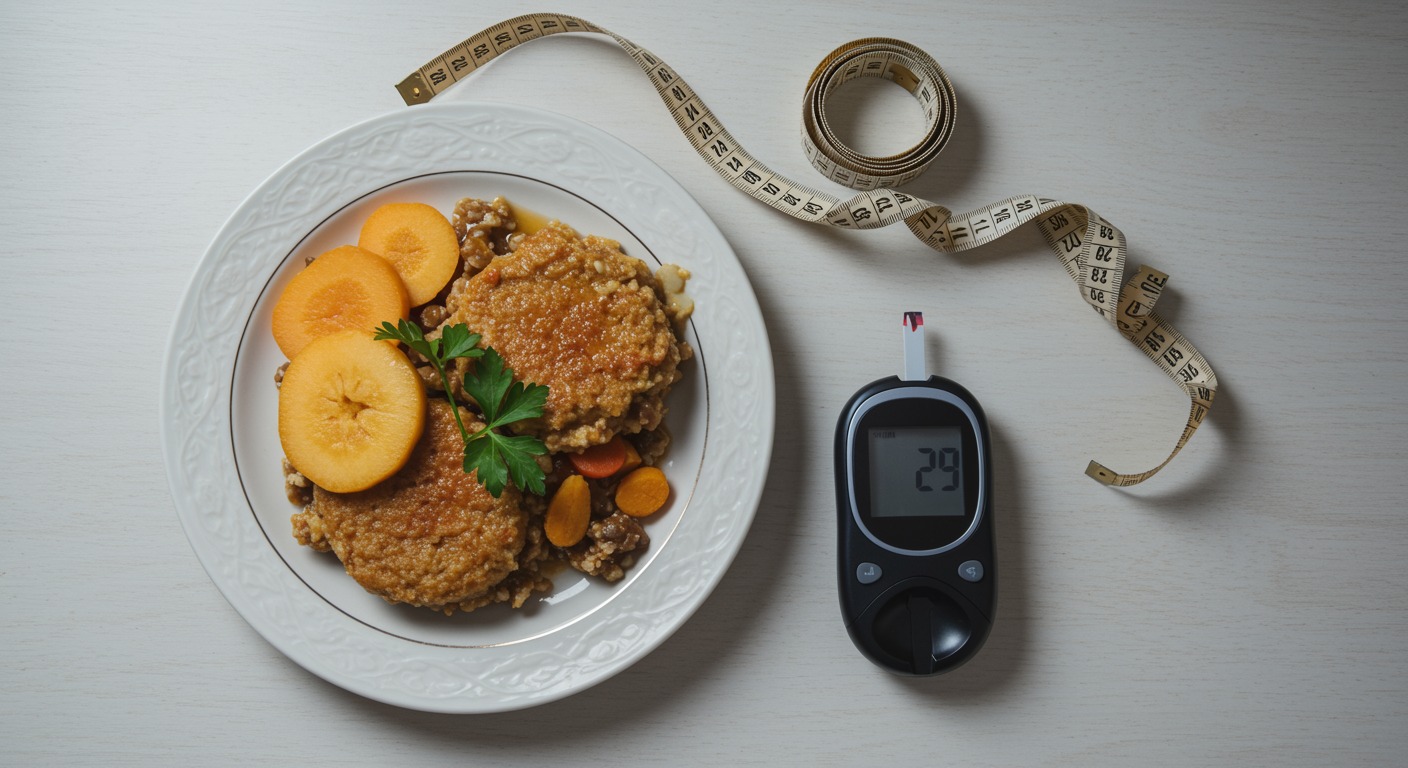
We tend to treat prediabetes as a narrow blood sugar problem, so I found this one quietly powerful. Researchers followed 1,173 adults with prediabetes for 21 years, randomly assigning them to a structured lifestyle program, metformin, or placebo. The lifestyle group, which aimed for healthier eating, 150 minutes of activity a week, and a 7% weight loss, was far less likely to pile up multiple chronic diseases over the next two decades. Metformin, for all its real value in preventing diabetes itself, did not show the same broad protection. The lesson I take from this is that the everyday work of moving more and eating better earns its place as a frontline tool, not a backup plan.
Key finding: People in the lifestyle program had about a 21% lower risk of developing two or more chronic diseases over 21 years, while metformin showed no clear benefit on that broader measure.
The Hidden Cost of a Diet Built From Packages

Most of us eat food preservatives every day without a second thought, in cured meats, packaged bread, soft drinks, and sauces. This French study tracked more than 112,000 adults for nearly eight years and found that the people eating the most preservatives had measurably higher rates of high blood pressure and heart disease. The part that humbled me is that even ascorbic acid, the vitamin C additive most of us would call harmless, was tied to higher blood pressure. To me that signals something bigger than any single ingredient: the preservative is really a marker for how much of your plate comes from a package versus a kitchen. I would not panic over one label, but I would pay attention to that ratio.
Key finding: People with the highest preservative intake had a 29% higher risk of high blood pressure and a 16% higher risk of cardiovascular disease, and even vitamin C as an additive was tied to a 22% higher blood pressure risk.
A Whole Age Group Passed Through Without a Single Cancer Death

This is one of the most encouraging cancer findings I have seen in years. Tracking cervical cancer deaths across England from 2001 to 2024, researchers found that between 2020 and 2024 not a single woman aged 20 to 24 died of the disease, the first time that has happened on record. That group had HPV vaccine coverage near 90%, and without the vaccine about 23 of these young women would have been expected to die. We have long known the vaccine prevents infections and precancers. What is new here is real-world proof, at the level of an entire country, that it prevents deaths. The vaccine does not replace screening, so keep up with your Pap and HPV tests, but this is about as clean a prevention win as medicine offers.
Key finding: Cervical cancer deaths fell to zero among women aged 20 to 24, and England’s school vaccination program has already prevented nearly 200 young women from dying of the disease since 2008.
A Toothbrush That Prevents a Lung Infection

I love a study like this. We spend enormous amounts chasing tiny gains with expensive drugs and devices, and here is a toothbrush quietly preventing a dangerous infection. When you are sick in bed, brushing slips down the list, but mouth germs can slide into the lungs and cause pneumonia, especially in people who are weak or lying flat. Across nearly 9,000 patients in Australian hospitals, a simple program of toothbrushes, basic teaching, and regular check-ins pushed the share of patients cleaning their teeth from 16% to 62%, and the infections followed. This kind of pneumonia can add weeks to a hospital stay and sharply raises the risk of dying, so cutting it by more than half with basic mouth care is a real win. If you or a loved one is ever admitted, ask for a toothbrush and use it twice a day.
Key finding: A nearly free oral care program cut non-ventilator hospital-acquired pneumonia by about 60 percent, and patients who develop that pneumonia have roughly eight times the odds of dying during their stay.
Almost Half of Older Adults Got Better, Not Worse

This one pairs beautifully with this week’s podcast, because it is another reminder that what you believe about your own body can shape what your body does. We usually picture aging as a one-way slide downhill, so the headline here is surprising: in a 12-year Yale study of more than 11,000 adults aged 65 and older, about 45% actually got better in memory, physical function, or both over time, rather than just declining or holding steady. What set the improvers apart was their outlook. People who held more positive beliefs about aging, meaning they did not assume that getting older automatically makes you weaker or more forgetful, were significantly more likely to land in that improving group, even after accounting for age, education, chronic disease, and depression. Because this is observational, the optimism and the improvement probably feed each other rather than one simply causing the other. Still, it matches what I see in clinic: patients who stay engaged and expect to keep functioning often do better than their charts alone would predict.
Key finding: About 45% of adults over 65 improved cognitively, physically, or both over 12 years, and those with more positive beliefs about aging were the most likely to gain.
My book, 2mm, is almost here. It is the story of seven years inside the operating room, where every decision is measured in millimeters and every millimeter matters. If you want to be the first to know when it is available, leave your email at 2mmbook.com.
Stay curious. Stay skeptical. And stay healthy.
Dr Kumar