Hi everyone,
A few studies this week made me rethink things I had stopped questioning. The 150 minutes of weekly exercise we all quote turned out to cut heart disease risk by only 8 to 9 percent, while people who moved a lot more cut theirs by over 30 percent. For the first time, surgeons sewed patches of lab-grown heart muscle onto failing hearts and watched them pump stronger. And there is an early hint that a cheap melatonin pill might help night shift workers repair the DNA damage their schedule inflicts.
On the podcast, I did something different and took apart the case for putting fluoride in our drinking water, the one medication most Americans receive without ever being asked.
Let’s get into it.
This Week’s Podcast Spotlight
Episode 56: Fluoride Science: Neurodevelopment Risks, Thyroid Function, and Water Filtration
I wanted to do this episode because fluoride is one of those topics I assumed was a settled question, until I actually went back and read the evidence. Fluoride is a chemical medication, and in the United States it is the only one delivered to the public without consent, straight out of the tap for about three out of every four people on municipal water. As a physician, informed consent sits above everything else I do, so the more I dug in, the more uncomfortable I got. What struck me most was how the science behind the policy was built in the 1950s, before fluoride toothpaste and fluoridated processed foods even existed, and how thin it looks under modern review.
To be clear, I am not telling you what to do. I am laying out the history, the risks that rarely get mentioned, and a simple alternative, so you can make your own informed choice.
Three things that stood out from this episode:
- The trial that justified fluoridation was never finished. The 1945 Grand Rapids study was designed to run 10 to 15 years but ended after about 6, when the control city demanded fluoride too, and the policy went national before the comparison was complete.
- The benefit is topical, but the risks are systemic. Fluoride hardens enamel on contact, yet what gets swallowed and absorbed drives the concerns, including dental fluorosis that now affects roughly 65 percent of American adolescents.
- There is an equal, safer swap. Hydroxyapatite, the very mineral your enamel is made of, matched fluoride for cavity prevention in head-to-head trials, with no new cavities in 89 versus 87 percent of users.
If you have a thyroid problem, small children, or you just want to understand what is actually in your water, this one is worth your time.
This Week in Health Science
Here is what stood out from the research this week. These studies fascinated me, and I think you will find them practically useful.
Why 150 Minutes of Exercise a Week May Not Be Enough for Your Heart

This is the study I keep thinking about, because it challenges a number I have repeated to patients for years. Researchers tracked 17,088 adults from the UK Biobank using wrist-worn motion sensors rather than self-reported guesses, which makes the data far more trustworthy. People who hit the famous 150 minutes a week of moderate-to-vigorous activity cut their cardiovascular risk by only about 8 to 9 percent, which is real but modest. People who reached 560 to 610 minutes a week, roughly 80 to 90 minutes a day, cut their risk by more than 30 percent across heart attacks, strokes, heart failure, and atrial fibrillation. A genetic analysis pointed to a true causal link between fitness and lower heart failure risk, not just a coincidence. I am not telling anyone to train like a marathoner, but I have started framing 150 minutes as a starting line, not a finish line.
Key finding: In 17,088 adults, meeting the 150-minute guideline cut cardiovascular risk by only 8 to 9 percent, while reaching 560 to 610 minutes a week cut it by more than 30 percent, three to four times the benefit.
Lab-Grown Heart Muscle Patches Helped Failing Hearts Pump Stronger
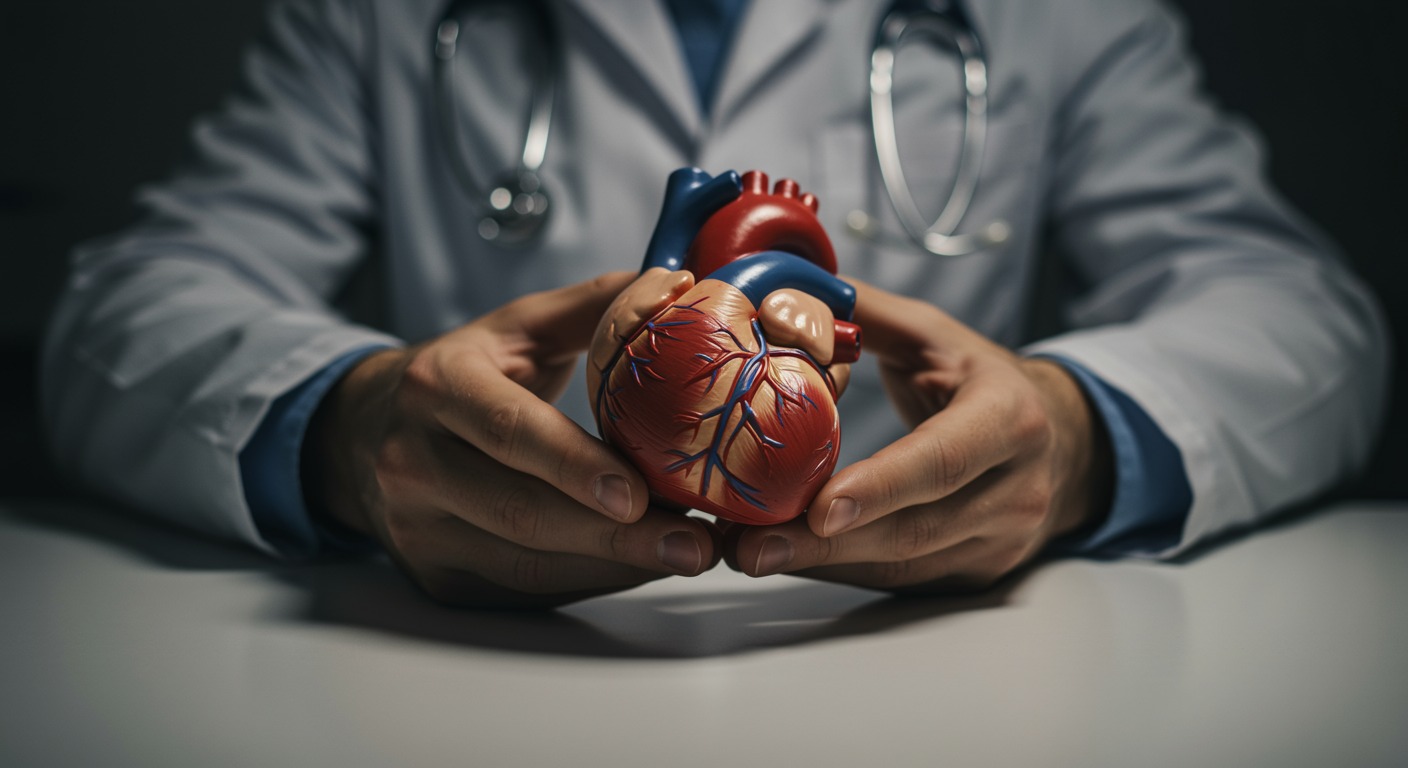
I have been waiting a long time for a result like this. Heart failure is one of the hardest problems in medicine because, unlike skin or bone, the heart cannot grow back muscle once it dies. In this first-in-human BIOVAT-HF trial, scientists reprogrammed ordinary cells into stem cells, grew them into small patches of beating heart muscle, and surgeons stitched those patches onto the failing wall of patients’ hearts. At three months the targeted heart wall had grown 4.5 millimeters thicker, pumping power improved, and quality-of-life scores rose 15 points at one year. Crucially, there were no tumors and no dangerous rhythm problems, the two biggest safety fears going in. This is a small, early study, so I am holding my excitement in check, but for the first time we have human proof that you can actually rebuild damaged heart muscle instead of just managing the decline.
Key finding: Patches of lab-grown heart muscle thickened the failing heart wall by 4.5 millimeters and raised quality-of-life scores by 15 points at one year, with no tumors or dangerous rhythm problems linked to the patches.
Can Melatonin Help Night Shift Workers Repair DNA Damage?

If you or someone you love works overnight shifts, this one is worth a look. Working nights suppresses melatonin, the hormone you make in the dark, and melatonin does more than help you sleep, it also helps your cells repair damaged DNA. That lost repair capacity is thought to be part of why shift work carries a modestly higher cancer risk. In this small randomized trial, 40 night workers took either 3 mg of melatonin an hour before their daytime sleep or a placebo for four weeks. The melatonin group showed a 1.8-fold rise in a urine marker of active DNA repair during day sleep. I want to be honest that this was borderline, with a p-value of 0.06 and only 40 people, so I read it as a promising lead rather than a recommendation. Still, it is a clever attempt to fight a real, well-documented risk with a cheap and widely available tool.
Key finding: Night shift workers who took 3 mg of melatonin before daytime sleep showed a 1.8-fold increase in a urine marker of DNA repair, though the result was borderline and needs larger trials to confirm.
Low B12 and Folate May Be Quietly Draining Your Energy

I like this study because it looked at otherwise healthy people, not patients who were already sick. We usually think of low B12 and folate as causing dramatic problems like anemia, but this research asked whether mildly low levels might quietly sap your energy and drive. In about 600 healthy adults, those with higher homocysteine, a blood marker that climbs when B12 and folate run low, reported more physical tiredness if they were men and less motivation if they were women. The vitamin connection itself was rock solid, though the link to fatigue was modest and softened under stricter analysis. I would not start mega-dosing supplements over this, but if you feel constantly drained for no clear reason, a simple blood test for B12 and folate is a reasonable conversation to have with your doctor.
Key finding: In 600 healthy adults, higher homocysteine, a sign of low B12 and folate, tracked with more physical tiredness in men and lower motivation in women.
A Healthy Thymus Is Linked to a Longer Life and Less Cancer

In medical training I was taught that the adult thymus was basically a leftover, a small organ behind the breastbone that trains your immune cells in childhood and then fades into fat. This study flips that idea on its head. Researchers built a deep-learning tool to score thymic health from routine chest CT scans, then applied it to more than 27,000 adults. People with healthier thymuses had about a 50 percent lower risk of dying from any cause, a 63 percent lower risk of dying from heart disease, and a 36 percent lower risk of developing lung cancer over 12 years. The same heart pattern showed up in two completely separate groups, which makes me take notice. Best of all, thymic health tracked with things you can change: not smoking, staying active, and keeping a healthy weight. So the familiar basics may protect this little organ too.
Key finding: Among more than 27,000 adults, a healthier thymus was tied to about a 50 percent lower risk of death from any cause, a 63 percent lower risk of heart death, and a 36 percent lower risk of lung cancer over 12 years.
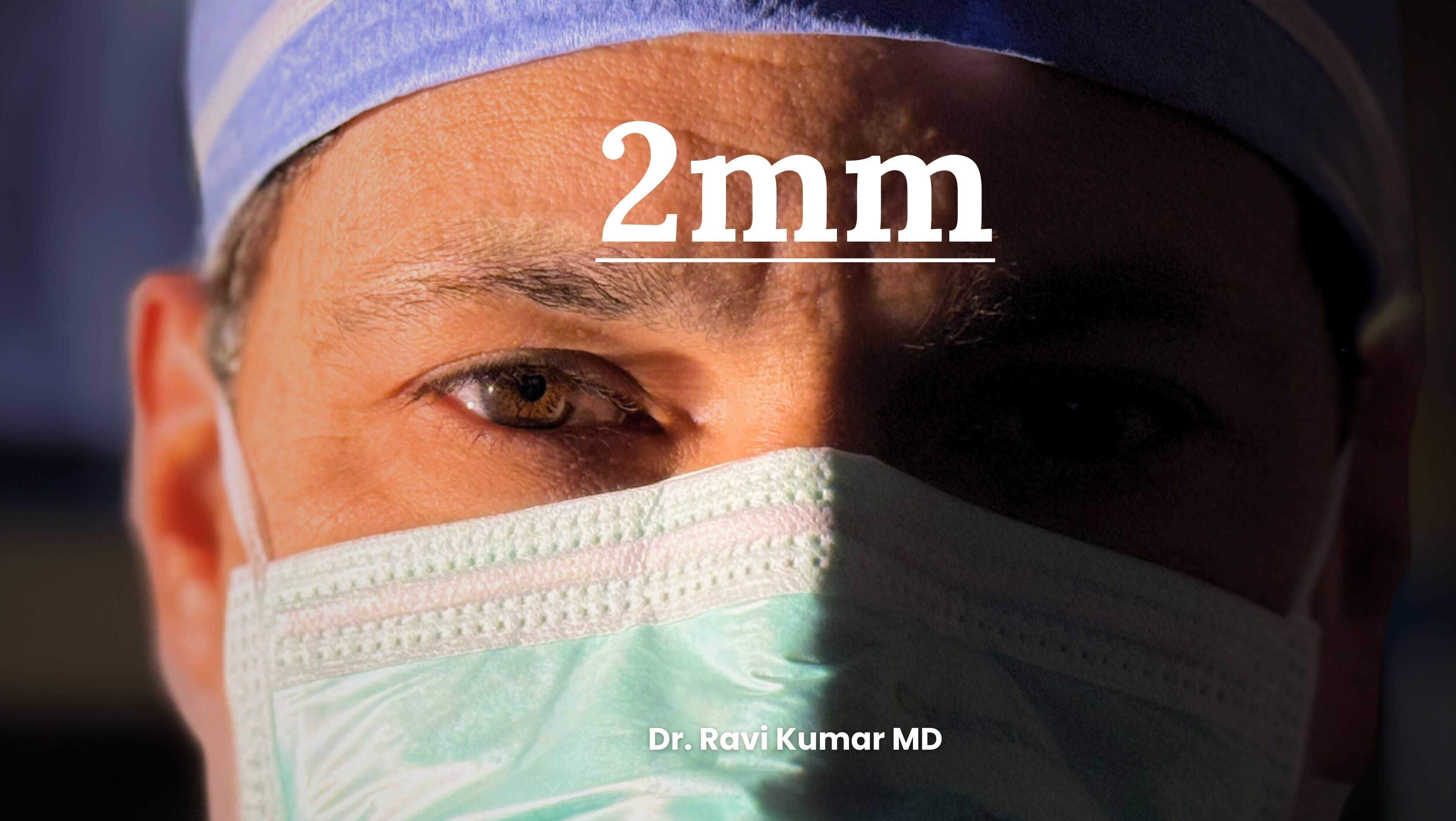
My book, 2mm, is almost here. It is the story of seven years inside the operating room, where every decision is measured in millimeters and every millimeter matters. If you want to be the first to know when it is available, leave your email at 2mmbook.com.
Stay curious. Stay skeptical. And stay healthy.
Dr Kumar