Hi everyone,
A handful of studies this week genuinely caught me off guard. A single intravenous infusion permanently edited a gene in the liver and cut LDL cholesterol by up to 62 percent, with the effect still holding 18 months later. A massive study of 130,000 adults followed for more than four decades found that two to three cups of caffeinated coffee a day was tied to an 18 percent lower risk of dementia, while decaf showed no benefit at all. And a small but provocative trial used an arthritis drug to lift depression in people whose blood showed signs of hidden inflammation.
On the podcast, I sat down with Dr. Vyvyane Loh, a metabolic medicine physician with one of the most original takes on muscle, insulin resistance, and GLP-1 drugs that I have heard in a long time. She has taken most of her patients off insulin by treating nutrition like a prescription, and she pulls no punches on what a decade of indefinite GLP-1 use may quietly be doing to people’s lean mass.
Let’s get into it.
This Week’s Podcast Spotlight
Episode 55: The Truth About Insulin Resistance & The Immune System with Dr. Vyvyane Loh
I wanted to do this episode because metabolic health sits at the center of nearly every chronic disease I treat as a neurosurgeon, and yet most of what mainstream medicine measures and treats is the wrong endpoint. Dr. Loh has spent her career at the intersection of metabolic medicine and muscle biology, and her framing genuinely changed how I think about insulin resistance. She reframes it not as a disease, but as a brilliant immune survival strategy. During illness, injury, or pregnancy, your body deliberately becomes insulin resistant in muscle and fat to divert glucose to the immune cells, brain, and liver that need it most. The pathology is not the response itself. The pathology is when modern life never lets the system switch off.
What stuck with me most was her view of muscle as the single most underappreciated organ in the body. Muscle clears roughly 75 percent of the glucose in your bloodstream. As you lose muscle with age, that container shrinks, and the glucose with nowhere to go spills into the blood, where it is directly toxic to vessels, kidneys, and nerves.
Three things that stood out from this conversation:
- Body weight lies, body composition tells the truth. Two people on the same scale can have very different metabolic futures depending on how much of that weight is muscle versus fat. Even a visible six-pack does not guarantee adequate muscle mass.
- Nutrition should be prescribed, not suggested. Dr. Loh writes protein like a prescription: 25 to 30 grams of whole animal protein per meal, four to five times a day, with vegetables and healthy fats. On this approach she has reversed type 2 diabetes and taken most of her patients off insulin.
- The GLP-1 conversation no one is having. In vulnerable patients, especially the elderly and chronically ill, 40 to 60 percent of the weight lost on these drugs can be lean mass. The risk is going from obesity and diabetes to sarcopenia and diabetes a decade later, with A1c quietly creeping back up as the muscle that was buffering glucose disappears.
If you have ever felt like the standard metabolic playbook of “eat less, move more, here is your metformin” was missing something important, this conversation will reframe it.
Dr. Loh has also written a book that goes much deeper into the science we touched on, The Architecture of Enough: Hunger, GLP-1, and the Immune Metabolic System. If this episode resonates with you, the book is worth a read.
This Week in Health Science
Here is what stood out from the research this week. These studies fascinated me, and I think you will find them practically useful.
A Single Infusion Permanently Edited a Gene and Cut Cholesterol by 62 Percent
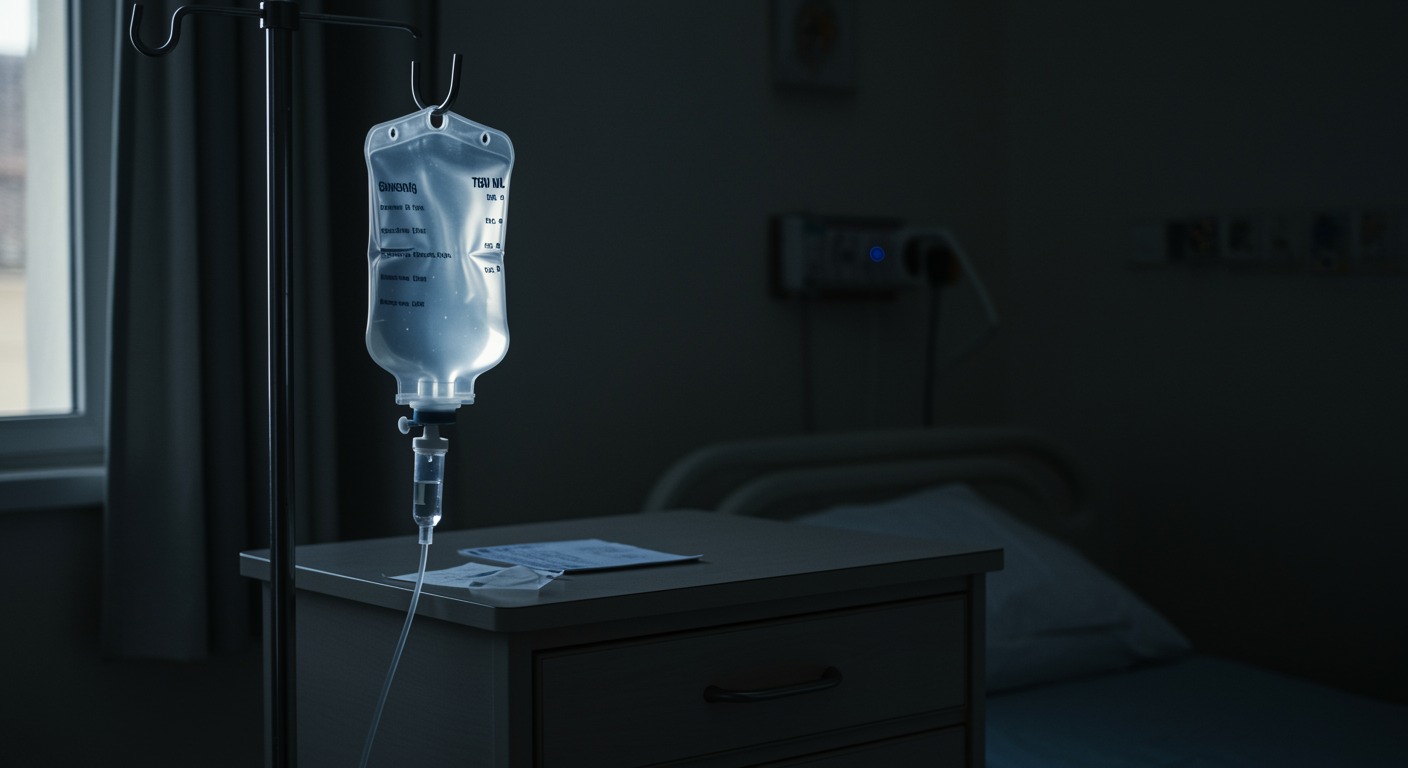
This one feels like the kind of result that changes the long-term arc of cardiovascular medicine. A phase 1 trial of a gene-editing therapy called VERVE-102 delivered a single intravenous infusion that traveled to the liver and chemically swapped one letter of DNA in the PCSK9 gene, silencing it for good. At the highest dose, blood PCSK9 dropped by 88 percent and LDL cholesterol fell by up to 62 percent, an absolute drop of 78 mg/dL. For context, that is roughly the size of LDL reduction you would expect from a high-intensity statin plus a PCSK9 inhibitor injection combined, and the effect held steady for at least 18 months from one treatment. For my patients with familial hypercholesterolemia, who often start having heart attacks in their 40s despite doing everything right, this is the first time a one-and-done fix has looked plausible. The limits are real too. This was a small phase 1 trial, we do not yet have hard outcome data showing fewer heart attacks, and a permanent edit raises a fair question that pills do not, which is that if something unexpected shows up years later, you cannot stop the drug. Promising proof of concept, not yet routine care.
Key finding: A single intravenous infusion of VERVE-102 lowered blood PCSK9 by up to 88 percent and LDL cholesterol by up to 62 percent in a phase 1 trial, with the effect holding for at least 18 months and no dose-limiting toxicities.
Two to Three Cups of Coffee a Day, Tied to 18 Percent Less Dementia

I love a study that takes something you are already doing and tells you it might quietly be doing more than you thought. Researchers followed 131,821 adults from the Nurses’ Health Study and the Health Professionals Follow-Up Study for up to 43 years, and over that time 11,033 people developed dementia. Adults who drank about two to three cups of caffeinated coffee a day had an 18 percent lower risk, with the protection leveling off above that, so more was not better. One to two cups of tea a day showed a similar benefit, and the signal was strongest in adults aged 75 and younger. The most striking detail for me is the decaf result. Decaffeinated coffee showed no protective effect, and people who drank more decaf actually reported faster subjective cognitive decline. That is a strong hint that caffeine itself, not the warm ritual, is doing the work. This is observational, so it shows a link and not proof of cause, but if you already enjoy a couple of cups, this is reassuring news with very little downside.
Key finding: In 131,821 adults followed for up to 43 years, two to three cups of caffeinated coffee a day was linked to an 18 percent lower risk of dementia, while decaf showed no benefit and was tied to faster subjective cognitive decline.
An Arthritis Drug Hinted at a New Kind of Depression Treatment

For decades we have treated depression as primarily a problem of brain chemistry, things like serotonin, norepinephrine, and dopamine. This proof-of-concept trial supports a different and growing idea that for some people, low-grade inflammation in the body is part of the problem. Thirty adults with hard-to-treat depression and signs of inflammation were randomized to either tocilizumab, an arthritis drug that blocks the inflammatory signal IL-6, or placebo. The trial technically missed its main 14-day target, but by day 28 the picture had shifted. Remission rates reached 53.9 percent on the drug versus 31.3 percent on placebo, and the patients who started with higher levels of hs-CRP, a common blood test for inflammation, were the ones most likely to improve. I will not pretend 30 people is enough to change practice, but the part that stays with me is that a simple, cheap blood test helped predict who responded. That points toward a future where we match the depression treatment to the patient instead of guessing through three or four medications and hoping.
Key finding: In a 30-person proof-of-concept trial, blocking IL-6 inflammation with the arthritis drug tocilizumab raised 28-day depression remission to 53.9 percent versus 31.3 percent on placebo, and higher baseline hs-CRP predicted who improved.
A Modest Calorie Cut on Top of the Mediterranean Diet Slashed Diabetes Risk
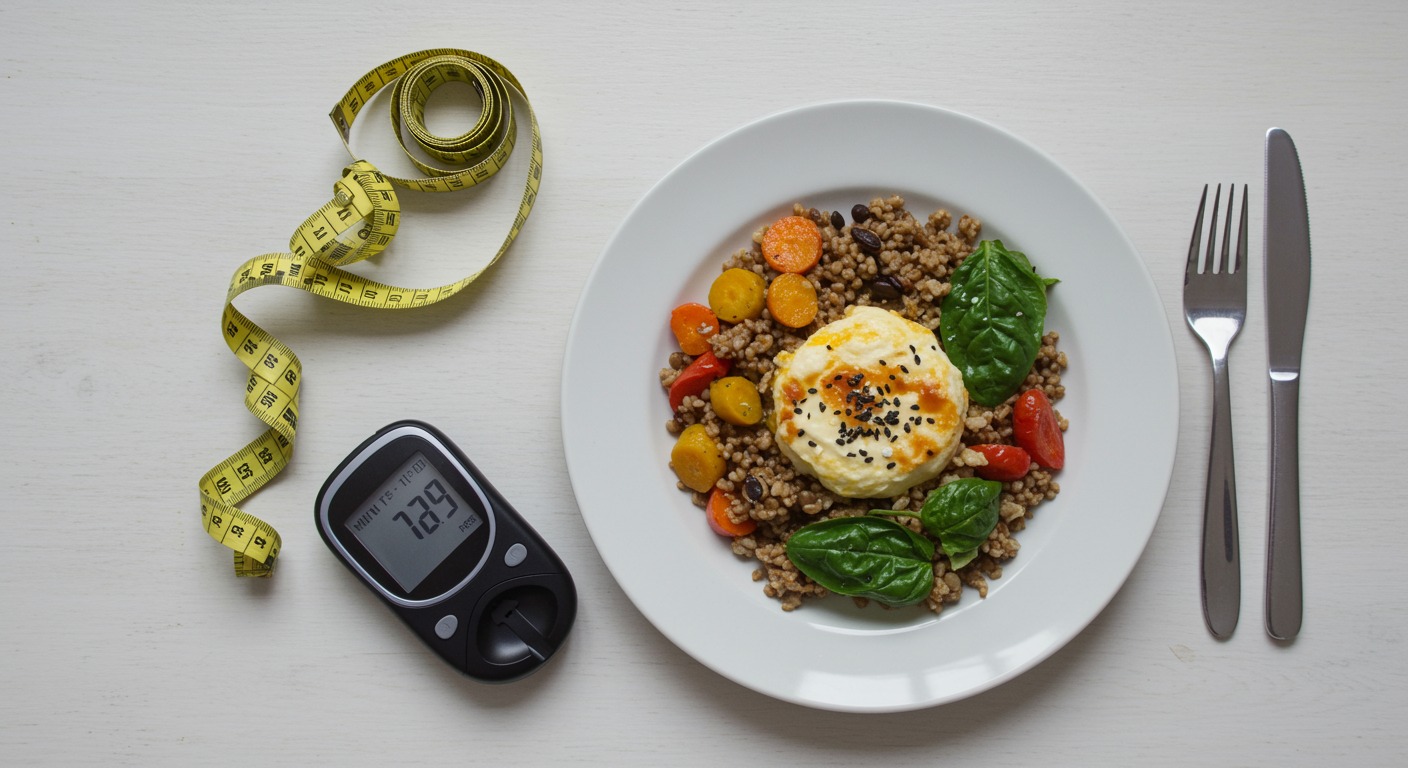
We already tell patients to eat a Mediterranean diet, so the real question is whether the extra effort of trimming calories and adding exercise actually pays off. In PREDIMED-Plus, a randomized trial of 4,746 adults aged 55 to 75 with overweight or obesity and metabolic syndrome, the answer is a clear yes. The intervention group cut about 600 calories a day, moved more, and got behavioral coaching on top of a Mediterranean eating pattern. The free-eating group ate the same kinds of foods with no calorie target. Over six years, the intervention group developed 31 percent less type 2 diabetes (9.5 percent versus 12.0 percent), lost about 7 pounds on average, and trimmed roughly 1.4 inches from their waist. Two things I love about this. First, none of it was exotic. They ate a little less, moved a little more, and had ongoing support to stick with it. Second, the behavioral coaching may deserve as much credit as the diet itself, because consistency is what most patients are missing, not information.
Key finding: In 4,746 older adults with metabolic syndrome, cutting about 600 calories a day and adding exercise on top of a Mediterranean diet lowered type 2 diabetes risk by 31 percent over 6 years compared with the diet alone.
When Work Stress Grinds, Sleep Did More for You Than Exercise

This is the study I want to put in front of every burned-out patient who tells me they cannot find time to sleep but they can find time to grind through an extra workout. Researchers tracked 2,871 Canadian workers for ten years, looking at five everyday habits (nutrition, exercise, sleep quality, alcohol use, smoking) and asking which of them blunted the long-term health damage of chronic work stress. Three habits stood out as buffers, namely better sleep, better nutrition, and lower alcohol use, and sleep quality was the single strongest protector of the group. Exercise was still clearly linked to better overall health on its own, but once sleep and diet were in the model, exercise did not specifically shield people from the harm of work stress. That tracks with what I see in burned-out patients. The ones who guard their sleep tend to hold up better than the ones who train hard but sleep poorly. Keep exercising, but stop treating sleep as the first thing you sacrifice when life gets busy.
Key finding: Over 10 years in 2,871 workers, good sleep, healthy nutrition, and lower alcohol use each weakened the link between chronic work stress and poor health, with sleep quality the single strongest buffer. Exercise helped overall health but did not specifically protect against work stress.
My book, 2mm, is almost here. It is the story of seven years inside the operating room, where every decision is measured in millimeters and every millimeter matters. If you want to be the first to know when it is available, leave your email at 2mmbook.com.
Stay curious. Stay skeptical. And stay healthy.
Dr Kumar