Hi everyone,
A handful of studies this week genuinely surprised me. One single letter in your DNA may decide whether vitamin D actually does anything for your diabetes risk. A country-scale map of pesticide exposure shows what happens when you stop testing chemicals in isolation and start looking at the cocktail people actually live in. And there is a specific napping pattern in older adults that turns out to be a quiet warning sign most people are not paying attention to.
On the podcast, I sat down with a clinical psychologist and former Army Sergeant who treated some of the toughest trauma cases at Walter Reed. His reframe of what PTSD actually is genuinely changed how I think about it.
Let’s get into it.
This Week’s Podcast Spotlight
Episode 45: Trauma, Memory, and the Mind: How PTSD Forms and How It Can Be Treated
I wanted to do this episode because PTSD touches an enormous number of people, and most of what I hear in everyday conversation about it is wrong. My guest, Dr. Trey Tippens, is a clinical psychologist and former Army Sergeant who spent years at Walter Reed Medical Center treating some of the most severe trauma cases in the country. He reframes PTSD in a way I found genuinely clarifying. It is not a malfunction or a sign of being broken. It is a survival system that worked exactly as it was designed to in a dangerous environment, and then refused to switch off when the environment changed. Hypervigilance, scanning the room, sleeping with one eye open, those behaviors are how you stay alive in a war zone. The disorder begins when the brain can no longer tell the dangerous environment that taught those behaviors apart from the safe one a person has come home to.
Three things that stood out from this conversation:
- Every gold standard treatment for PTSD, including Prolonged Exposure, Cognitive Processing Therapy, and EMDR, is ultimately a variation on the same principle: habituation. Telling the story until the emotional charge wears down. The differences are mostly about what a patient can actually tolerate.
- The stellate ganglion block, a temporary anesthetic injection at the base of the neck, breaks the sympathetic hyperarousal long enough that the cognitive work of habituation becomes possible. As a neurosurgeon, I walked through the anatomy of why this works. It is not a cure, but it is an enabler that has become a mainstay in the military.
- MDMA assisted therapy has shown about 69 percent of participants no longer meet PTSD criteria after just three sessions, a result no traditional therapy comes close to. The bottleneck is not efficacy, it is the blinding problem: when the active arm is visibly tripping, you cannot run a clean placebo controlled trial.
We also got into generational trauma, the biological transmission through cortisol exposure in utero, and the idea of post traumatic growth, which one of Dr. Tippens’ patients described as “steel in my soul.” If you or someone you love is dealing with trauma, this is the episode I would send them.
This Week in Health Science
Here is what stood out from the research this week. These studies fascinated me, and I think you will find them practically useful.
Pesticide Mixtures Track With 2 to 8 Times Higher Cancer Risk

This is one of the most ambitious environmental health studies I have read. Researchers built a high-resolution map of how 31 commonly used pesticides spread across Peru, then matched that map to a national cancer registry covering more than 150,000 patients. None of the 31 pesticides are classified as known human carcinogens when reviewed individually. But when people lived with the real-world mixture of all of them, regions with the heaviest exposure had cancer rates 2 to 8 times higher than less-exposed regions, with overall incidence climbing as much as 150 percent in the most sprayed zones. The team also sampled liver tissue from people in the hotspots and found a non-genotoxic signature, meaning the chemicals do not appear to break DNA directly. They quietly disrupt the regulatory circuits that tell a cell what kind of cell it is supposed to be. That is exactly the kind of damage standard pesticide safety tests are not designed to catch. The practical takeaway: if you live near heavy farming, wash and peel produce thoroughly, filter your drinking water if it comes from wells or downstream of agriculture, and assume the cocktail effect is real.
Key finding: People in the most heavily sprayed regions of Peru had 2 to 8 times higher cancer risk than less-exposed areas, and overall cancer incidence climbed up to 150 percent.
Vitamin D Prevents Diabetes for 70 Percent of People, and Does Nothing for the Rest
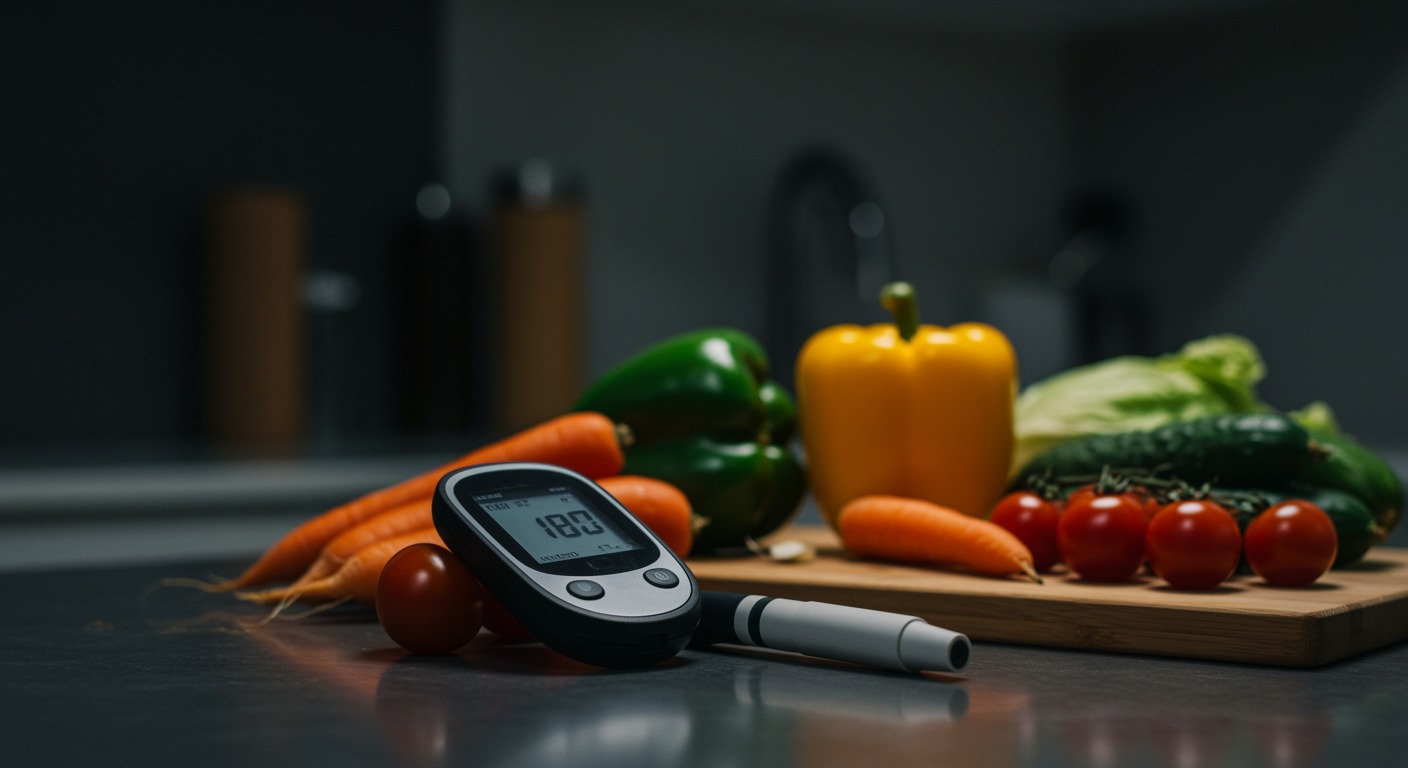
I love when a study takes a confusing body of research and finally explains the contradictions. Vitamin D and diabetes prevention has been a frustrating field for years. Some trials show clear benefit, others show almost nothing. This new genetic analysis of the D2d trial may finally tell us why. Researchers looked at a single spot in the vitamin D receptor gene called the ApaI variant. About 70 percent of people carry the AC or CC version, and roughly 30 percent carry the AA version. Adults with prediabetes who carried the AC or CC version and took 4,000 IU of vitamin D3 daily saw their diabetes risk fall by 19 percent. Adults with the AA version, taking the exact same dose, saw zero benefit. Same pill, same dose, completely different outcomes based on a single letter in one gene. For the 98 million American adults with prediabetes, this is genuinely useful. A simple genotype test could finally tell you whether high-dose vitamin D is worth your time and money for diabetes prevention, or whether you should put that effort into weight loss, resistance training, and dietary changes that work regardless of your wiring.
Key finding: 4,000 IU of daily vitamin D3 cut type 2 diabetes risk by 19 percent in adults with the ApaI AC or CC genotype, and produced no benefit at all in those with the AA genotype.
Late-Night Eating Plus Stress Doubles the Risk of Bowel Problems
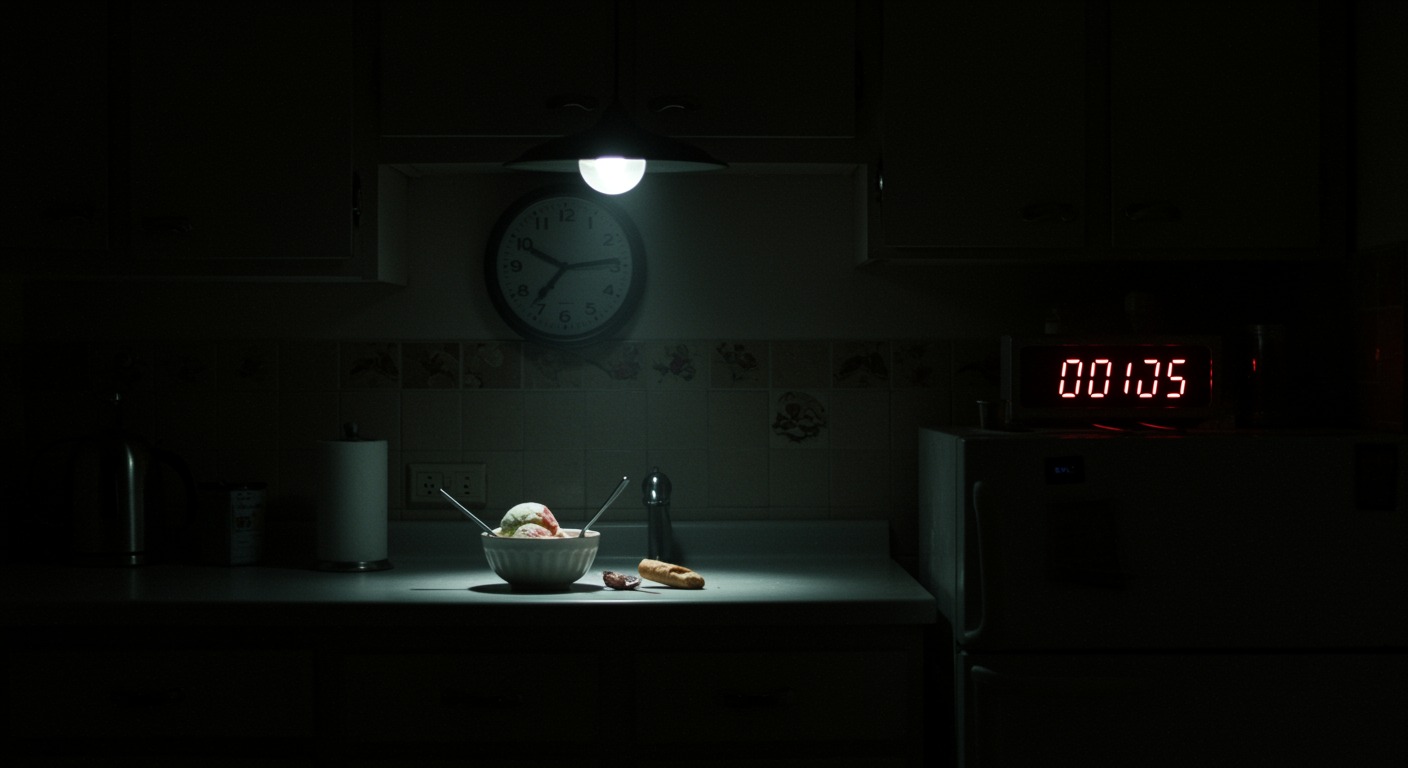
This study lined up two completely separate datasets, more than 11,000 adults from NHANES and another 4,000 from the American Gut Project, and found the same pattern in both. People with high chronic stress who ate more than 25 percent of their daily calories after 9 p.m. were 1.7 to 2.5 times more likely to have constipation, diarrhea, and other bowel problems compared with people who avoided this pattern. They also had significantly lower gut microbiome diversity, which is a marker of poorer digestive and metabolic health. The lead researcher described it as a “double hit,” and that fits with what we know about the gut-brain axis. Stress alone disrupts bowel function. Late eating alone pushes food into a window when your digestion is winding down. Stack the two and the effect compounds. I am not going to tell anyone to never eat after 9 p.m., because real life does not work that way. But during stressful weeks, shifting more of your calories earlier in the day is one of the easier ways to protect your gut.
Key finding: Chronic stress combined with eating more than 25 percent of daily calories after 9 p.m. was tied to a 1.7 to 2.5 times higher risk of bowel problems and lower gut microbiome diversity, across more than 15,000 adults.
Healthy Sleep Habits Cut Pneumonia Risk by 26 Percent
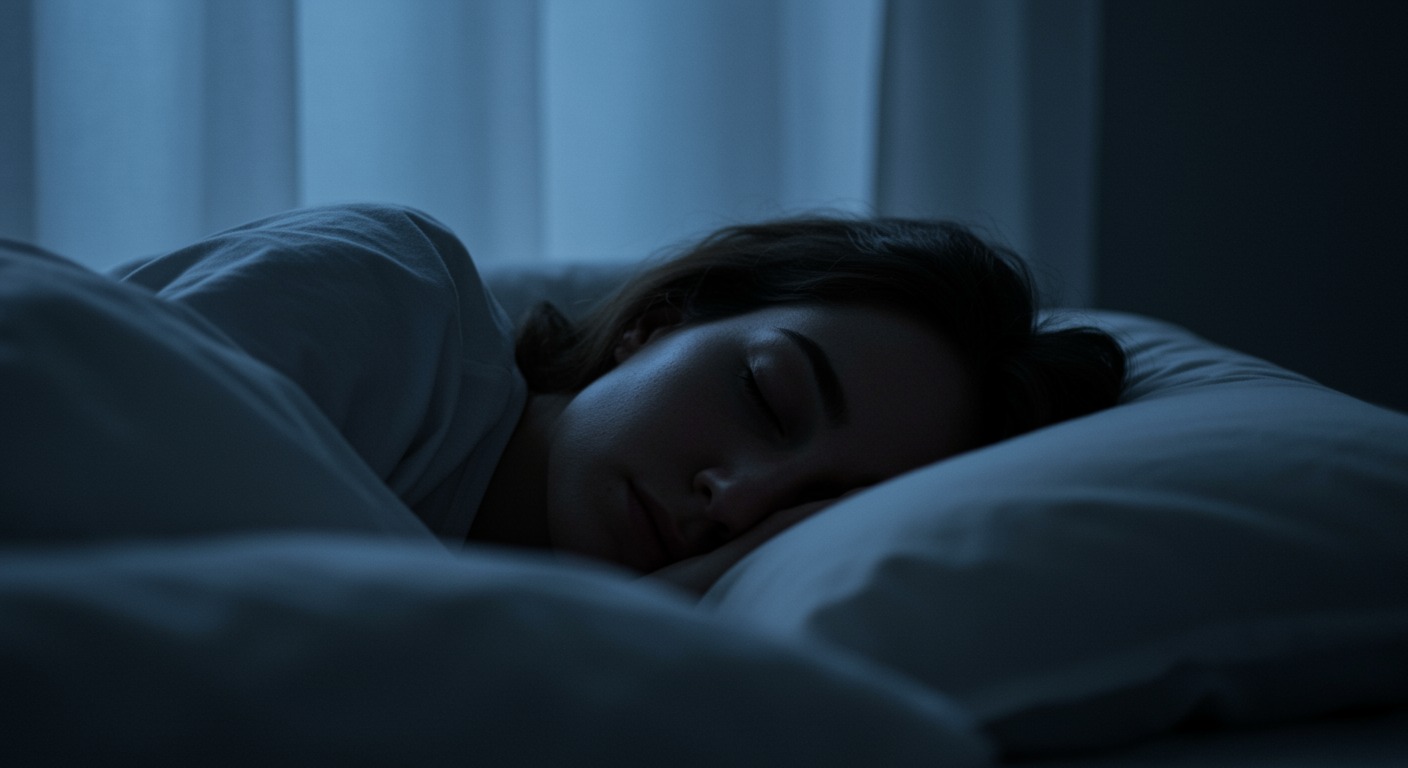
I find this study compelling because it treats sleep as a package, not a single number. Researchers tracked 361,589 adults from the UK Biobank for a median of 13.2 years and built a healthy sleep score across five dimensions: how long you sleep, whether you are a morning or night person, whether you have insomnia, whether you snore, and whether you feel sleepy during the day. People who scored highest had a 26 percent lower risk of pneumonia compared with the lowest scorers, and the protection held even after adjusting for smoking, drinking, exercise, and weight. Sleep duration showed a U-shaped pattern, with both short and long sleep raising risk and 7 to 8 hours hitting the sweet spot. The mechanism makes sense: deep sleep is when your immune system does much of its repair and patrol work, and chronic sleep disruption muffles those signals. Loud snoring and daytime sleepiness are also classic signs of sleep apnea, which is highly treatable but vastly underdiagnosed. If you snore heavily and feel exhausted even after a full night in bed, that is worth a sleep study.
Key finding: Adults with the healthiest sleep habits across five dimensions had a 26 percent lower pneumonia risk over 13 years, even after controlling for diet, exercise, smoking, and weight.
Long Daytime Naps in Older Adults Are a Warning Sign Worth Listening To
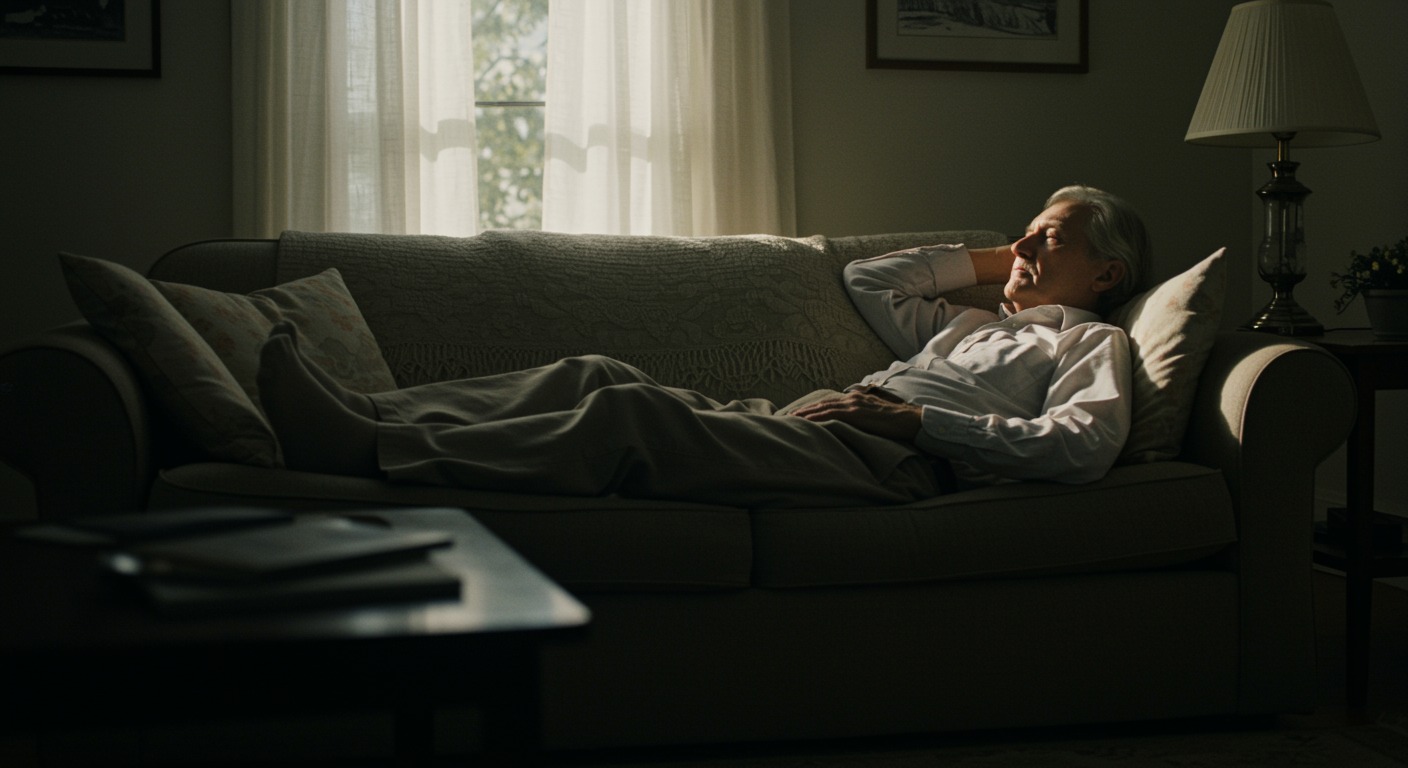
The headlines will scare a lot of older adults who enjoy a normal afternoon nap. That is not what this paper is saying. Researchers tracked 1,338 community-dwelling adults aged 56 and older for an average of 8.3 years using wrist trackers, not self-reports. Each additional hour of daytime napping was tied to a 13 percent higher risk of dying from any cause, and each additional nap per day added another 7 percent on top. The strongest signal was timing. Adults who napped most in the morning had a 30 percent higher mortality risk than those who napped in the afternoon. A short 20 to 30 minute afternoon nap is not what got flagged. The concerning patterns are long naps, frequent naps, and napping that drifts into the morning hours. My read is that napping itself probably is not killing anyone. It is what is driving the napping. Sleep apnea, depression, early neurodegeneration, and breaking circadian rhythms all show up first as morning grogginess that demands a nap. Catching those upstream is exactly the kind of medicine that improves lifespan.
Key finding: Each extra hour of daytime napping was tied to a 13 percent higher all-cause mortality risk, and morning-shifted napping carried a 30 percent higher death risk than afternoon napping, in 1,338 older adults followed for 8 years.

My book, 2mm, is almost here. It is the story of seven years inside the operating room, where every decision is measured in millimeters and every millimeter matters. If you want to be the first to know when it is available, leave your email at 2mmbook.com.
The 988 Crisis Lifeline Has Saved Thousands of Young Lives

This is a JAMA study with numbers I have not been able to stop thinking about. After the 988 Suicide and Crisis Lifeline launched in July 2022, suicide deaths among Americans aged 15 to 34 dropped by 11 percent, with about 4,400 fewer deaths than projected over the first 2.5 years. What convinces me this is real and not just lucky timing is the dose-response signal. States where 988 calls were answered most consistently saw deaths drop by 18.2 percent, while states with lower call uptake saw smaller reductions. The researchers also looked at England during the same period, where there was no comparable lifeline transition, and found no similar drop. That kind of clean comparison is rare in suicide prevention, where most interventions work for individuals but never show up at the population level. The deeper lesson is about friction. Three digits instead of ten sounds minor, but in a crisis, small barriers become large ones. Save 988 in your phone today, before you ever need it, and share the number with the young people in your life. You do not need to be in immediate danger to call. It is designed for distress, loneliness, and thoughts of self harm as well as full crises.
Key finding: Suicide deaths in young Americans aged 15 to 34 dropped by 11 percent after the launch of 988, with about 4,400 fewer deaths than expected over 2.5 years and an 18.2 percent drop in states with the highest call answer rates.
Stay curious. Stay skeptical. And stay healthy.
Dr. Kumar
Tap each statement to reveal the answer.
A short 20 minute afternoon nap is the most dangerous nap pattern in older adults.
Tap to revealAll adults with prediabetes get the same metabolic benefit from high-dose vitamin D.
Tap to revealPesticides judged safe individually can still raise cancer risk when people are exposed to the real-world mixture.
Tap to reveal