Hi everyone,
This was a packed week. A massive study found that some of the most commonly prescribed IBS medications are tied to double the risk of death, a finding that I think a lot of people need to hear. On the other end, a beautiful study showed that your vitamin D level at age 39 predicts how much Alzheimer’s protein builds up in your brain 16 years later. I also dug into new genetic research on why Ozempic and Mounjaro work dramatically better for some people than others, a landmark HPV vaccine study in boys, and several studies that reinforce just how powerful regular exercise is for protecting your brain and body. Plus, on the podcast this week, I sat down with an insider to talk about what really happened with USAID, the agency that saved an estimated 92 million lives.
This Week’s Podcast Spotlight
Episode 40: 92 Million Lives Saved: The Inside Story of USAID
This episode is a bit different from our usual health deep dives, but I think it is one of the most important conversations I have had on this show. USAID was the single largest contributor to public health in the world for over 60 years, operating in more than 130 countries. Its programs saved an estimated 92 million lives and put 20 million people on HIV treatment through PEPFAR. In January 2025, it was essentially shut down. I wanted to understand what actually happened, so I brought on my friend Keith Hourihan, a former fellow Peace Corps volunteer who spent nearly 20 years conducting fraud investigations and program audits across 45 to 50 countries for major USAID implementing organizations. He was literally the person whose job it was to find fraud, waste, and abuse. His perspective on what the agency actually did, how it worked, and whether the allegations that led to its closure hold up is something I think everyone should hear.
Three things that stood out from this conversation:
- USAID’s entire annual budget was $23 billion, less than 1% of the U.S. federal budget. The Pentagon spent $93.4 billion in a single month, more than four times USAID’s yearly total.
- Roughly 40% of foreign aid spending circled back to the U.S. economy through American contractors, manufacturers, and procurement requirements that mandated U.S.-made vehicles and pharmaceuticals.
- The fraud that existed was typically small-dollar items like fake taxi receipts, caught by internal controls, with implementing organizations voluntarily repaying funds. Experts now project 14 million preventable deaths by 2030 as a consequence of terminated programs.
This Week in Health Science
Here is what stood out from the research this week. These studies fascinated me, and I think you will find them practically useful.
How Exercise, Sleep, and Sitting Affect Your Dementia Risk

This is one of the largest analyses I have ever seen on this topic. A meta-analysis of nearly 3 million people across 69 studies found that regular physical activity reduced dementia risk by 25%. Sitting for more than 8 hours a day raised the risk by 27%, and sleeping outside the 7 to 8 hour sweet spot raised it by up to 28%. What I find most useful here is the sleep data: both too little and too much sleep were harmful. The 7 to 8 hour window was the sweet spot, and that U-shaped curve tells us it is about getting the right amount, not just sleeping more.
Key finding: Regular physical activity cut dementia risk by 25%, while sitting 8+ hours a day raised it by 27% and sleeping outside 7 to 8 hours raised it by up to 28%, across nearly 3 million people.
The HPV Vaccine Cuts Cancer Risk in Boys and Young Men by Nearly Half
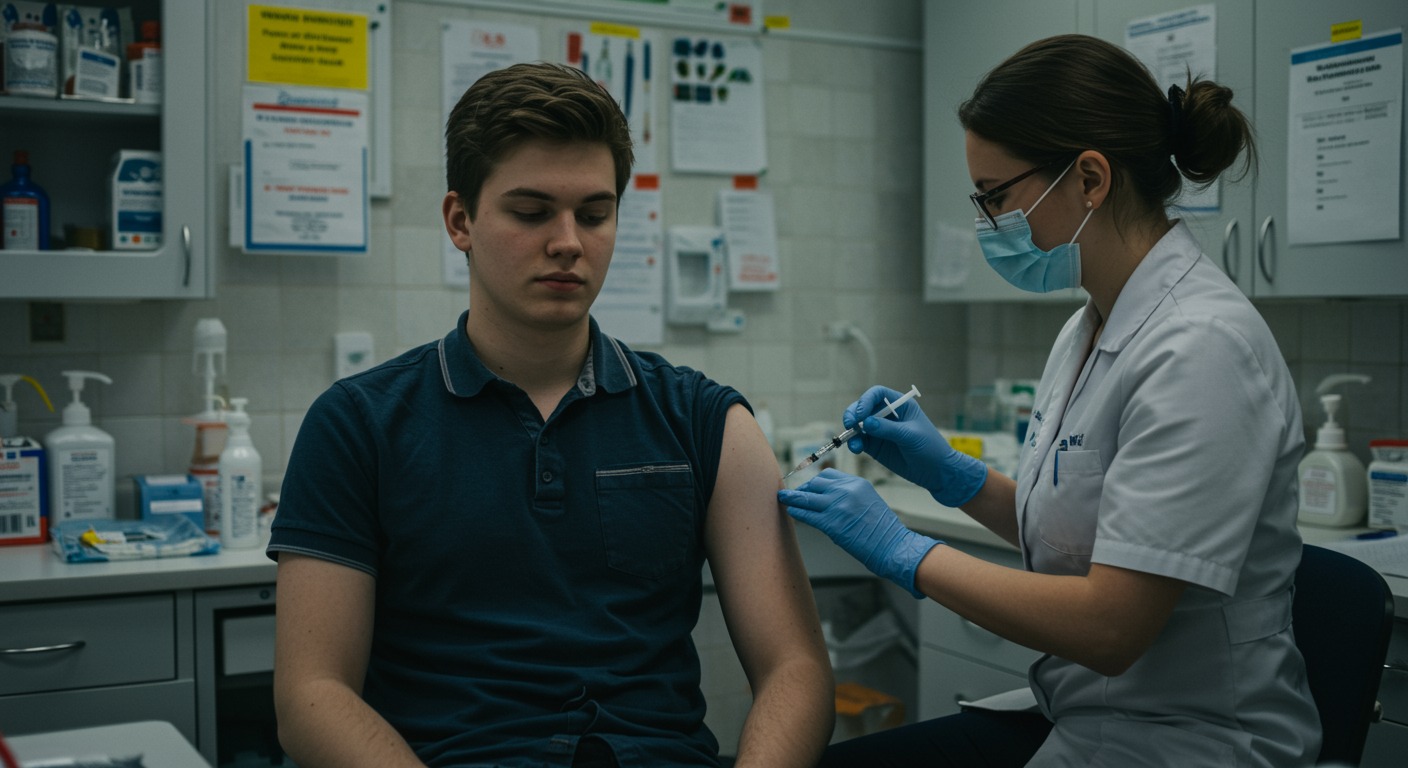
Most people think of the HPV vaccine as something for girls. This study should change that. Researchers tracked over 1 million males and found that the nine-valent HPV vaccine cut the risk of HPV-related cancers by 46%. That includes head and neck cancers, esophageal, anal, and penile cancers. Boys vaccinated between ages 9 and 14 saw a 42% reduction, while those vaccinated between 15 and 26 saw a 50% reduction. If you have a son or young male family member who has not been vaccinated, this is worth bringing up with their doctor.
Key finding: The nine-valent HPV vaccine reduced HPV-related cancer risk by 46% in a study of over 1 million males, with protection across multiple cancer types.
Exercise After Breast Cancer Could Cut Your Death Risk by Up to 37%

What I find most valuable about this study is how practical it is. Researchers followed over 2,000 breast cancer survivors and found that women who followed individualized aerobic exercise routines had up to 37% lower risk of dying from any cause. The key word is individualized. The exercise plans adapted when women developed complications like lymphedema or heart issues. Even starting with just 15 minutes of vigorous activity or 30 minutes of moderate activity per week showed measurable improvements. That is an achievable goal for most people recovering from treatment.
Key finding: Tailored aerobic exercise reduced 10-year all-cause mortality by up to 37% in breast cancer survivors, with benefits even at modest activity levels.
Being Aerobically Fit May Protect You from 34 Different Diseases

This one really caught my attention because of the methodology. Instead of just observing that fit people get sick less, researchers used Mendelian randomization, which uses genetic data to test actual cause-and-effect. They analyzed 712 health outcomes and found that people genetically built for higher aerobic fitness had a causally lower risk of approximately 34 different diseases, including stroke, diabetes, asthma, and liver conditions. One interesting nuance: intense physical conditioning was linked to a slightly higher risk of atrial fibrillation, so there does appear to be a ceiling where extreme training can strain the heart. But for the vast majority of us, building cardiorespiratory fitness is one of the most powerful things we can do.
Key finding: Higher aerobic fitness causally reduces the risk of 34 diseases across multiple organ systems, according to a large-scale genetic study of 712 health outcomes.
Some Common IBS Medications May Double Your Risk of Death
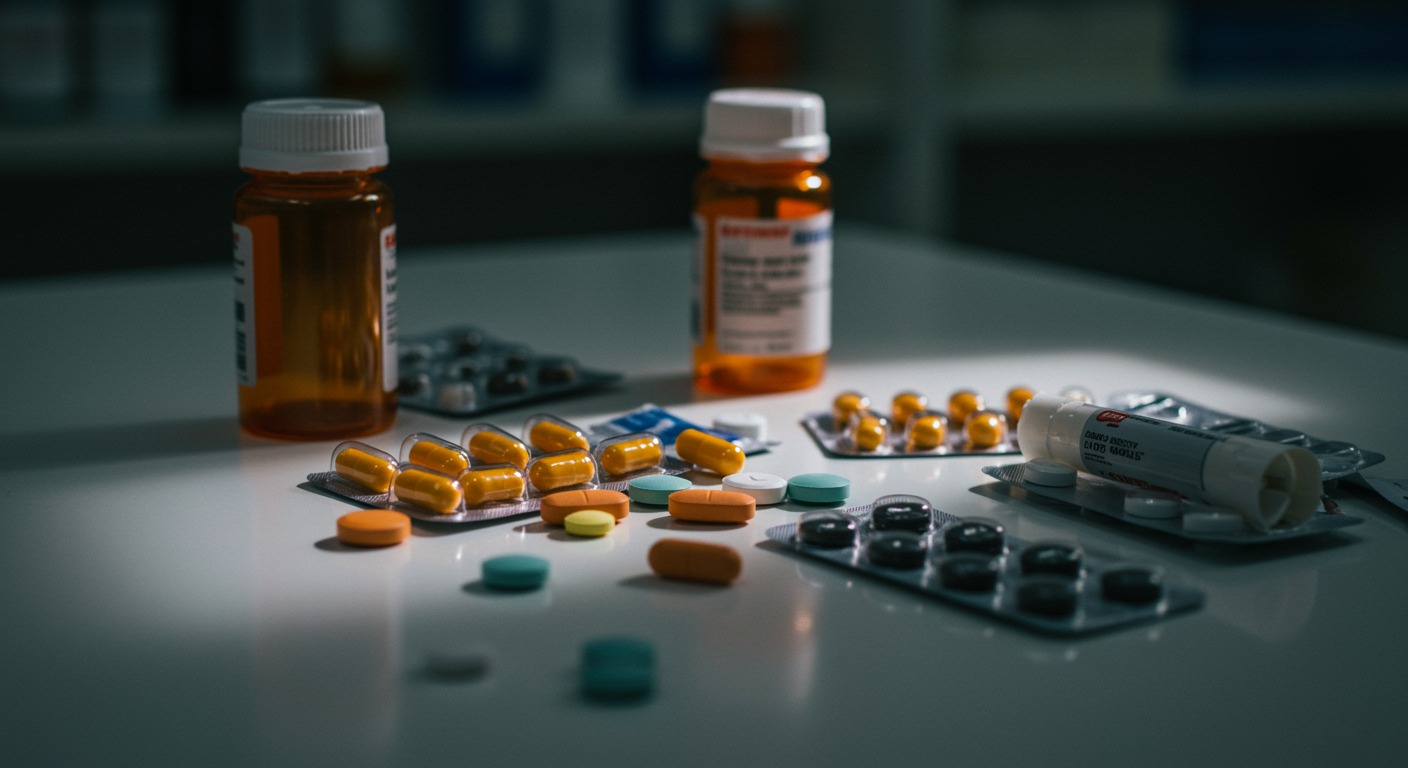
This is a study that I think deserves real attention. Researchers looked at over 650,000 U.S. adults with irritable bowel syndrome and found that antidepressants prescribed for IBS were linked to a 35% higher risk of death, while opioid-based antidiarrheal drugs like loperamide (Imodium) and diphenoxylate were tied to roughly double the mortality risk. That is striking. The good news: several effective IBS treatments, including rifaximin, eluxadoline, antispasmodics, and bile acid sequestrants, showed no increased mortality risk at all. If you have been taking one of these medications long-term for IBS, it is worth having a conversation with your doctor about whether a safer alternative might work for you.
Key finding: Opioid-based antidiarrheals were linked to roughly double the mortality risk in IBS patients, while antidepressants for IBS raised it by 35%, in a study of over 650,000 adults.
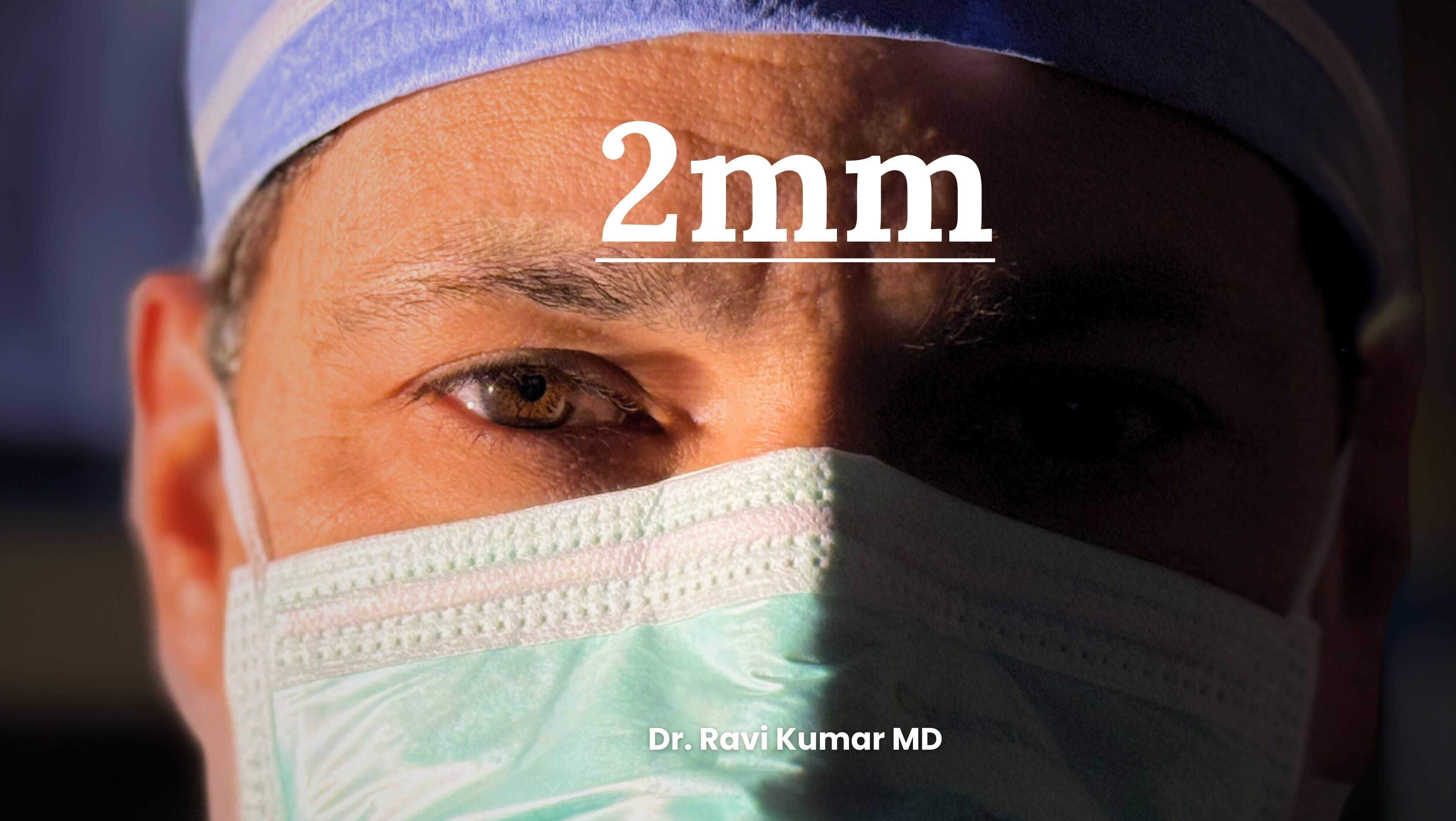
My book, 2mm, is almost here. It is the story of seven years inside the operating room, where every decision is measured in millimeters and every millimeter matters. If you want to be the first to know when it is available, leave your email at 2mmbook.com.
Your DNA May Predict How Well Ozempic and Mounjaro Work for You
If you have ever wondered why your friend lost 25% of their body weight on a GLP-1 drug while someone else barely lost anything, this study starts to answer that question. Researchers studied 27,885 people taking drugs like Ozempic, Wegovy, Mounjaro, and Zepbound and found a specific genetic variant in the GLP1R gene linked to significantly greater weight loss. They also found that variants in two genes predict whether you are likely to experience nausea and vomiting. The nausea risk linked to the GIPR gene only applied to tirzepatide (Mounjaro, Zepbound), not semaglutide (Ozempic, Wegovy), which makes biological sense since tirzepatide targets both receptors. We are not at the point where a genetic test changes your prescription yet, but we are getting closer.
Key finding: A genetic variant in the GLP1R gene predicted greater weight loss on GLP-1 drugs, and variants in two genes predicted nausea risk, in the largest pharmacogenetic study of these medications to date.
Higher Vitamin D at 39 Meant Less Alzheimer’s Protein in the Brain 16 Years Later
This is one of those studies that really makes you think about the long game. Researchers measured vitamin D levels in 793 adults around age 39, then scanned their brains 16 years later using PET imaging. Those with higher vitamin D had significantly less tau protein, one of the two hallmark proteins of Alzheimer’s disease, in the exact brain regions where the disease strikes first. What makes this even more interesting is that vitamin D was linked to tau but not to amyloid, the other Alzheimer’s protein. That specificity suggests vitamin D may act on a particular mechanism of neurodegeneration rather than offering vague “brain protection.” If you are in your 30s or 40s, getting your vitamin D level checked is a simple, inexpensive step that could matter decades from now.
Key finding: Higher vitamin D levels at age 39 were linked to significantly less tau protein buildup in the brain 16 years later, specifically in Alzheimer’s-vulnerable regions.
Stay curious. Stay skeptical. And stay healthy.
Dr. Kumar