Hi everyone,
A few of the studies that crossed my desk this week genuinely stopped me. A $5 bottle of vitamin D, given alongside breast cancer chemotherapy, nearly doubled the chance of complete cancer clearance before surgery. A 10-year follow-up of one of the most common knee operations in the world found it works no better than fake surgery, and may actually accelerate arthritis. And a 30-year Harvard study of 111,000 adults shows that the variety of activities you do matters as much as how much you move.
On the podcast, I sat down with Dr. Nathan Bryan, one of the world’s leading experts in nitric oxide, and the conversation reframed how I think about something as ordinary as mouthwash and toothpaste. There is a quiet cascade running through most American bathrooms that may be doing more damage than we realize.
Let’s get into it.
This Week’s Podcast Spotlight
Episode 48: Nitric Oxide: The Essential Molecule for Life and Longevity, with Dr. Nathan Bryan
I wanted to do this episode because nitric oxide is one of those molecules most of us only encounter in two contexts, nitroglycerin for chest pain or the little blue pill for erectile dysfunction. After reading Dr. Nathan Bryan’s book and spending an hour with him, I am convinced it is one of the most underappreciated levers we have for longevity. Nitric oxide is a gas your body makes on demand to dilate blood vessels, deliver oxygen, mobilize stem cells, sharpen mitochondrial energy production, and even protect telomere length. When tissues lose adequate nitric oxide, they lose blood flow, and that is where disease begins.
What really hit me is the cascade. Erectile dysfunction is rarely just erectile dysfunction. It is the canary in the coal mine for systemic endothelial dysfunction, the same process unfolding silently in the coronary, cerebral, and pulmonary arteries. Then comes high blood pressure, then insulin resistance, then mild cognitive impairment, and eventually Alzheimer’s, which Dr. Bryan describes as essentially type 3 diabetes, focal ischemia and insulin resistance in the brain.
Three things that stood out from this conversation:
- Your body has two completely independent ways to produce nitric oxide, the NOS enzyme in your blood vessels and the entero-salivary pathway that turns dietary nitrate from leafy greens into nitric oxide via your oral bacteria and stomach acid. Modern life sabotages both. Two out of three Americans use mouthwash, 95 percent use fluoride toothpaste, 73 percent of US municipalities fluoridate water, and 200 million prescriptions for antacids are written every year. Each one of those quietly disables one or both pathways.
- The mouthwash effect is not theoretical. Published data show that chlorhexidine and antiseptic mouthwashes raise blood pressure within seven days by killing the oral bacteria your body needs to convert nitrate into nitric oxide. Stop using them and the oral microbiome fully repopulates within four days, with blood pressure normalizing.
- The single most transformational, free intervention Dr. Bryan recommends for restoring metabolic flexibility and nitric oxide production is an 18-hour daily intermittent fast. Last meal at six, sleep, coffee in the morning, eat at noon. Combined with leafy greens, sunlight, nasal breathing, and ditching the antiseptic mouthwash, this is the practical playbook.
We also got into why the 1956 cured-meat scare may be outdated, why the Mediterranean diet’s cardioprotection probably runs through dietary nitrate rather than antioxidants, and why erectile dysfunction in your 40s deserves a much more serious conversation than it usually gets. If you have ever wondered why so many of us feel a step slower than we should, this episode is a roadmap.
This Week in Health Science
Here is what stood out from the research this week. These studies fascinated me, and I think you will find them practically useful.
A $5 Vitamin Nearly Doubled the Rate of Complete Cancer Clearance from Chemo

This is the kind of trial that, if a pharmaceutical company had run it with a new drug, would be on the front page of every medical journal. Researchers in Brazil randomized 80 women starting chemotherapy for breast cancer to either 2,000 IU of vitamin D3 daily for six months or an identical placebo. The endpoint was a pathological complete response, meaning that when the surgeon operates after chemo, there is no detectable cancer left to find. That outcome is one of the strongest predictors that a woman will do well long term. In the placebo group, 24 percent of women hit that mark. In the vitamin D group, 43 percent did. Women who actually reached a blood level of at least 20 ng/mL had 3.65 times higher odds of complete clearance compared with women who stayed below that. The trial is small, so I would not call it practice changing on its own, but the effect size is large, the dose is modest and well within the safe range, and the cost is essentially nothing. Anyone starting chemotherapy for breast cancer should have a 25-hydroxyvitamin D level checked, and if it is low, that is a conversation worth having with the oncology team before treatment begins.
Key finding: Daily 2,000 IU vitamin D3 raised the complete cancer clearance rate from 24 percent to 43 percent during breast cancer chemotherapy, and women who reached a blood level of at least 20 ng/mL had 3.65 times higher odds of clearance.
A Common Knee Surgery Still Offers No Benefit, Even After 10 Years

I read the FIDELITY trial’s 10-year results and had to sit with them for a minute. Arthroscopic partial meniscectomy, where a surgeon trims away the worn part of a meniscus, is one of the most common orthopedic operations in the world, performed hundreds of thousands of times a year on middle-aged adults with degenerative knee pain. The Finnish team randomized 146 adults to either the real surgery or a sham procedure where the surgeon made the same incisions but did not actually remove anything. After a decade, knee pain, stiffness, and function were essentially identical between the two groups. The imaging was worse than identical. X-rays showed visible arthritis progression in 81 percent of the real surgery group versus 70 percent of the sham group. The operation may actually be speeding up the wear and tear it was meant to treat. This applies specifically to age-related degenerative tears, not traumatic sports injuries in younger patients. If your knee pain has crept in slowly over the years and someone has recommended an arthroscopic cleanup, give 8 to 12 weeks of structured physical therapy, weight management, and activity changes a real shot first, and ask to see the long-term arthritis data before signing the consent form.
Key finding: After 10 years, arthroscopic knee surgery for worn meniscus tears worked no better than fake surgery on pain or function, and 81 percent of the surgery group showed arthritis progression on X-ray versus 70 percent of the sham group.
Mixing Up Your Workouts Was Linked to a 19 Percent Lower Risk of Death

Patients constantly ask me which one form of exercise is best, and this 30-year Harvard study of 111,467 adults across the Nurses’ Health Study and Health Professionals Follow-Up Study makes a strong case that the question itself is the wrong one. People in the highest variety group, those who consistently engaged in several different activities, had a 19 percent lower risk of death from any cause compared with those who stuck to a single type. That benefit held even after researchers adjusted for total weekly exercise minutes. In other words, two people can train for the same number of hours, and the one mixing several activities tends to live longer. Almost every individual activity helped, walking by 17 percent, tennis or squash by 15 percent, weight training by 13 percent, jogging by 11 percent, but the variety effect stood on top of those. The one outlier was swimming, which showed no clear mortality benefit, likely because many swimmers in the cohort used it as their sole form of exercise and missed the bone, balance, and impact stress other activities provide. The practical takeaway is to pick three to five activities that hit different systems, cardio, strength, and something that demands quick changes of direction, and stay with them for years.
Key finding: Adults in the highest exercise variety group had a 19 percent lower all-cause mortality risk over 30 years, independent of total exercise volume, with reductions of 13 to 41 percent across heart disease, cancer, and lung disease deaths.
Coffee Reshapes Your Gut Bacteria, and the Effect Goes Beyond Caffeine

I have been treating coffee as a caffeine delivery system for years, and this study made me update that picture. Researchers compared healthy adult coffee drinkers with non-drinkers and found that habitual coffee intake measurably reshapes the gut microbiome, with downstream effects on memory, impulsivity, and emotional reactivity. Coffee drinkers had higher relative levels of two specific bacteria, Cryptobacterium and Eggerthella species, and lower levels of three protective gut metabolites including GABA. When habitual drinkers stopped coffee, some of those chemical changes reversed within days. When they restarted, the microbiome shifted again quickly, and the team built an integrated model showing that nine key metabolites tied the microbiome to behavior, including caffeine breakdown products but also several phenolic acids that come from coffee polyphenols rather than caffeine. That means much of coffee’s effect on your brain and body is running through your gut, not your caffeine receptors. If caffeine bothers your sleep or anxiety, high-quality decaf still feeds your gut the same package of polyphenols, fiber-like residues, and chlorogenic acids. It also helps explain why both caffeinated and decaffeinated coffee have been linked to lower rates of type 2 diabetes, liver disease, Parkinson’s, depression, and Alzheimer’s in larger population studies.
Key finding: Habitual coffee drinkers had a measurably different gut microbiome than non-drinkers, with shifts that occurred within days of stopping or restarting coffee, and much of the effect was driven by polyphenols rather than caffeine itself.
Ultra-Processed Foods Linked to Weaker Attention and Higher Dementia Risk

This Australian study of 2,192 adults aged 40 to 70 isolates the right variable in a way most prior research has not. For years, the convenient explanation has been that people who eat a lot of packaged food simply eat fewer vegetables and gain more weight, and that is what hurts the brain. This analysis pushes back hard. For every 10 percent jump in the share of calories from ultra-processed foods, attention scores fell measurably and the modified CAIDE dementia risk score rose by 0.24 points, a small number per individual that adds up across years. Critically, the link held up even after researchers adjusted for Mediterranean diet adherence and body mass index. Two people with the same Mediterranean score and the same BMI still had different attention and dementia risk if one ate more ultra-processed food. That points the finger at the processing itself, the emulsifiers, artificial sweeteners, industrial fats, and texture changes that drive faster blood sugar spikes and low-grade inflammation. The practical message is the harder one. Adding olive oil, fish, and vegetables on top of a heavy ultra-processed diet may not be enough. You also have to actively cut the packaged stuff back.
Key finding: Every 10 percent rise in ultra-processed food intake was tied to weaker attention scores and a 0.24-point increase in the CAIDE dementia risk score, even after adjusting for Mediterranean diet adherence and BMI.
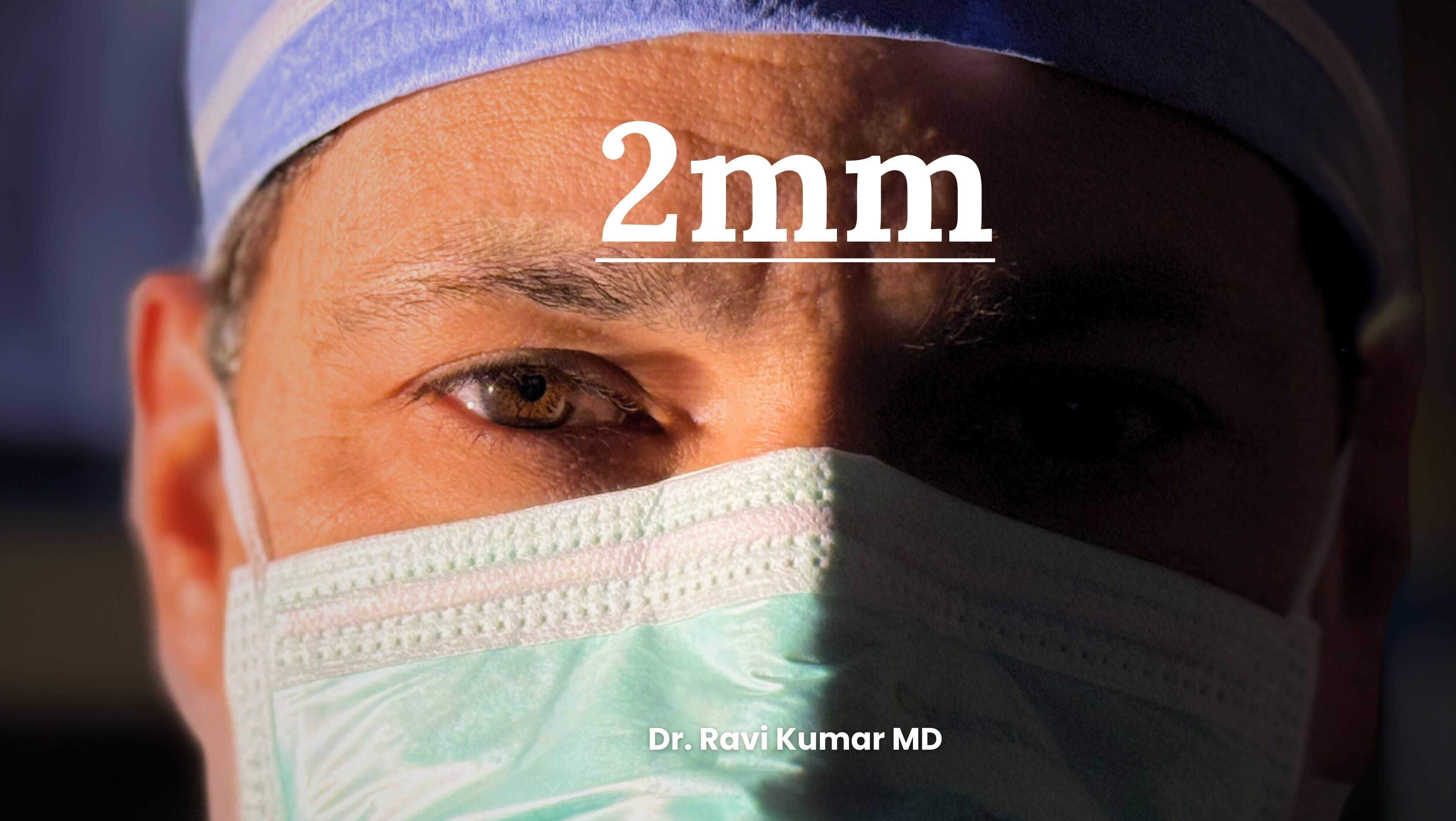
My book, 2mm, is almost here. It is the story of seven years inside the operating room, where every decision is measured in millimeters and every millimeter matters. If you want to be the first to know when it is available, leave your email at 2mmbook.com.
A 10-Minute Lying-Down Routine Improved Balance and Agility in Two Weeks

I love a study that finds a meaningful effect from a tiny intervention. Researchers at the University of Electro-Communications and Tokyo University of Agriculture and Technology had 39 healthy adults perform a 10-minute supine exercise routine, lying on their backs and linking trunk movements with leg movements plus a simple toe-dexterity drill, once a day for two weeks. After the two weeks, static balance, lateral agility, and seated trunk flexion all improved significantly. Grip strength, sit-ups, jumping, and sprinting did not change at all. The exercise was nowhere near intense enough to build muscle, yet balance and agility still got noticeably better. That tells you the gain was happening in the nervous system, not the muscle. The brain was learning to fire the right muscles in the right sequence, and that learning happens fast. The biggest practical implication is for older adults at risk of falling, because the supine position removes the fall risk that comes with standing balance drills. This was a small, short study in healthy young people, so the results should not be extrapolated directly to a frail 75-year-old, but the principle, that coordination training pays off quickly and safely, is worth taking seriously. Pair it with traditional strength training rather than replacing it.
Key finding: A 10-minute daily supine exercise routine improved static balance, agility, and trunk flexibility in two weeks, with no change in muscle strength, suggesting the gains came from better neural coordination rather than bigger muscles.
Stay curious. Stay skeptical. And stay healthy.
Dr Kumar