
Treatment-Resistant Depression

Treatment-Resistant Depression

Articles tagged with "Treatment-Resistant Depression".

Accelerated rTMS for Treatment-Resistant Depression

Tags: Accelerated RTMS, Treatment Resistant Depression, TMS Protocols, Neurostimulation

November 23, 2025

Does accelerated TMS help treatment-resistant depression?

Yes, accelerated TMS protocols provide faster therapeutic benefits for treatment-resistant depression when antidepressants fail. Multiple sessions per day offer rapid relief. Key advantages:

  • Faster results - multiple sessions per day vs traditional daily sessions
  • Treatment-resistant cases - effective when antidepressants have failed
  • 30-40% of patients - addresses significant clinical challenge
  • Non-invasive approach - magnetic stimulation without medication

A study published in Annals of General Psychiatry examined accelerated repetitive transcranial magnetic stimulation (rTMS) for depressive disorder resistant to antidepressant medication. Treatment-resistant depression affects approximately 30-40% of patients, and accelerated rTMS protocols deliver multiple sessions per day over a shorter time period, potentially providing faster therapeutic benefits for patients who haven’t responded to conventional treatments.

Read more

Breathing-Based Meditation for Treatment-Resistant Depression

Tags: Breathing Meditation, Treatment Resistant Depression, Mindfulness Depression, Meditation Therapy

November 23, 2025

Can breathing meditation help when antidepressants aren’t enough?

Breathing meditation provides significant additional benefits when antidepressants aren’t enough. Randomized pilot study found meaningful improvements in treatment-resistant depression when added to existing medication.

Breathing meditation works by activating the parasympathetic nervous system and improving emotional regulation, providing patients with an active tool to manage symptoms alongside medication.

What the data show:

  • Target population: treatment-resistant depression affecting 30-40% of patients
  • Combined treatment: added to existing antidepressant therapy
  • Mechanism: activates parasympathetic nervous system and improves emotional regulation
  • Accessibility: active, accessible tool patients can use anytime
  • Clinical benefit: meaningful improvements in depressive symptoms

A randomized pilot study published in the Journal of Clinical Psychiatry found that patients with treatment-resistant depression who added a structured breathing-based meditation program to their existing antidepressant therapy experienced meaningful improvements in depressive symptoms.

Read more

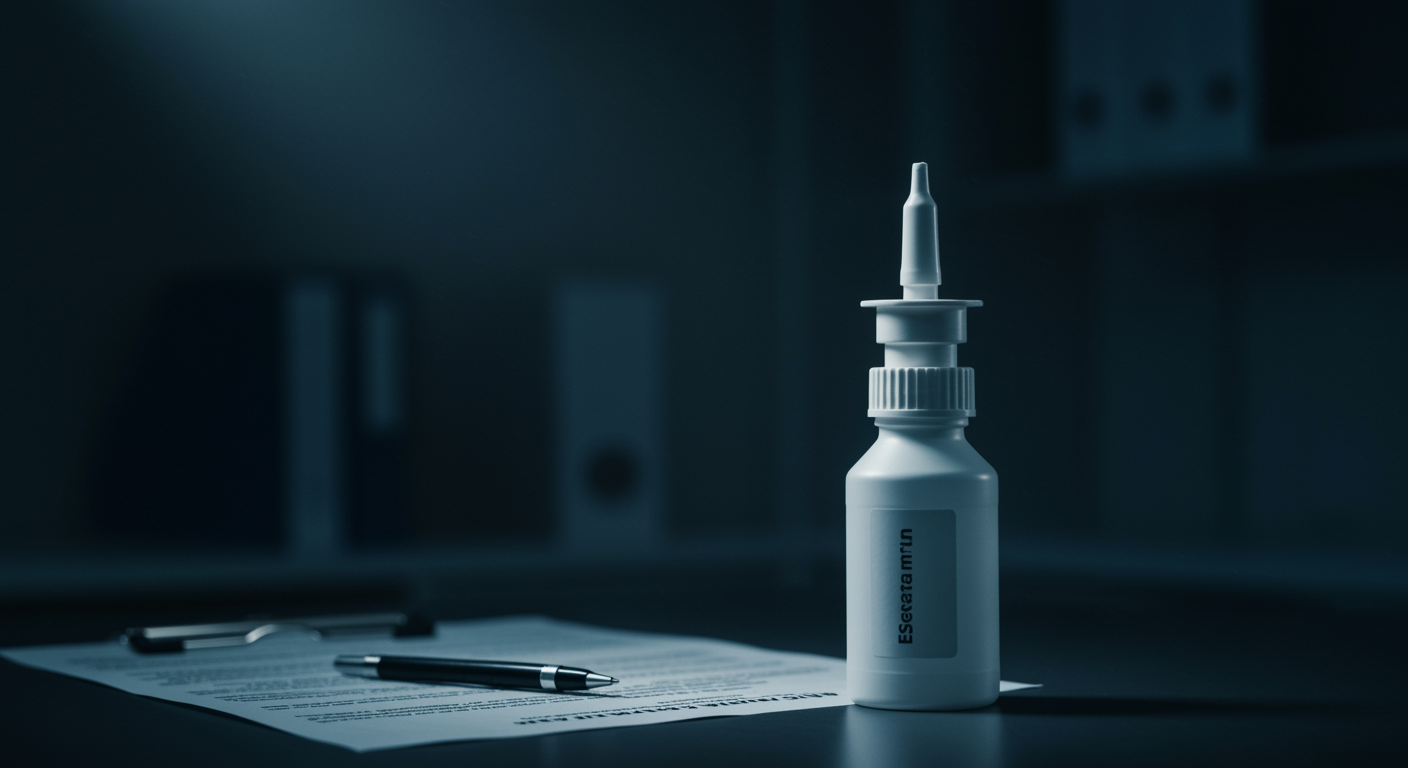
Esketamine Monotherapy Shows Rapid Relief for Treatment-Resistant Depression

Tags: Esketamine Monotherapy, Treatment-Resistant Depression, Nasal Spray, Rapid Antidepressant

November 23, 2025

Can Esketamine Work Alone Without Other Antidepressants for Treatment-Resistant Depression?

Yes. Esketamine nasal spray works effectively as monotherapy for treatment-resistant depression, with significant improvements observed within 24 hours of the first dose and sustained through 28 days of treatment. A randomized clinical trial published in JAMA Psychiatry shows both 56mg and 84mg doses administered twice weekly provide rapid and clinically meaningful improvement compared to placebo, offering a standalone treatment option for patients who cannot tolerate or have not responded to oral antidepressants.

Read more

Ketamine vs Esketamine for Depression: Systematic Review Compares Effectiveness

Tags: Ketamine Depression, Esketamine, Treatment-Resistant Depression, Psychedelic Medicine

November 23, 2025

Which works better: ketamine or esketamine for depression?

Intravenous ketamine shows superior efficacy compared to esketamine for treatment-resistant depression with faster onset and stronger effects. Meta-analysis reveals important differences between these ketamine treatments.

Both treatments work by blocking NMDA receptors and promoting neuroplasticity, but IV ketamine's superior bioavailability and dosing may explain its stronger antidepressant effects.

What the data show:

  • Against esketamine: IV ketamine shows superior response rates
  • Time to improvement: IV ketamine works more rapidly than nasal esketamine
  • Effect magnitude: greater depression improvement with IV ketamine
  • Target population: both effective for treatment-resistant cases, but ketamine shows advantage
  • Administration: IV delivery may provide better bioavailability

A systematic review and meta-analysis published in Therapeutic Advances in Psychopharmacology directly compared intravenous ketamine and esketamine for depression treatment, providing crucial evidence for clinicians and patients choosing between these two ketamine-based treatments.

Read more

LSD for Depression: Mechanisms and Therapeutic Potential Revealed

Tags: LSD Depression, Psychedelic Mechanisms, Treatment-Resistant Depression, Neuroplasticity

November 23, 2025

Can LSD treat depression?

LSD shows promising potential for treating depression by dramatically increasing brain plasticity, especially for treatment-resistant cases. Research reveals complex mechanisms that could revolutionize depression treatment.

LSD works by increasing brain plasticity and neural flexibility, potentially helping treatment-resistant depression where the brain seems stuck in maladaptive patterns.

What the data show:

  • Brain plasticity: low doses drastically enhance neural flexibility
  • Target population: potential breakthrough for treatment-resistant depression
  • Mechanism: works differently than traditional antidepressants
  • Evidence level: strong preclinical evidence from laboratory studies
  • Therapeutic potential: revolutionary alternative for patients who haven’t responded to conventional treatments

A comprehensive review published in Neuroscience & Biobehavioral Reviews examines LSD’s mechanisms and relevance to depression treatment, revealing that psychedelics may offer a revolutionary alternative therapy for patients who haven’t responded to conventional treatments.
Read more

SAMe Augmentation in Major Depressive Disorder: Clinical Trial

Tags: SAMe Augmentation, Treatment-Resistant Depression, S-Adenosylmethionine, Antidepressant Adjunct

November 23, 2025

Can SAMe Help When Antidepressants Aren’t Enough?

A clinical trial published in the American Journal of Psychiatry examined S-Adenosyl Methionine (SAMe) augmentation in major depressive disorder for patients who had failed prior SSRI treatment. This important study by Papakostas and colleagues investigated SAMe as an adjunctive treatment in 73 patients with major depression who had inadequate response to selective serotonin reuptake inhibitor therapy at adequate doses for at least 6 weeks. The research addresses a critical clinical need, as treatment-resistant depression affects a significant portion of patients and requires effective augmentation strategies.

Read more

Stanford Neuromodulation Therapy: Double-Blind RCT Results

Tags: Stanford Neuromodulation Therapy, SNT Treatment, Accelerated TMS, Treatment-Resistant Depression

November 23, 2025

Does Stanford’s 5-day TMS protocol work for treatment-resistant depression?

Yes. Stanford’s 5-day TMS protocol works extremely well for treatment-resistant depression, achieving a 79 percent remission rate in a double-blind clinical trial.

What the data show:

  • Remission rate: 79 percent vs 13 percent with sham treatment
  • Treatment duration: 5 days vs traditional 6-week protocols
  • Time to improvement: rapid response within days, not months
  • Target population: treatment-resistant depression
  • Mechanism: fMRI-guided targeting + accelerated theta-burst stimulation

A double-blind randomized controlled trial in the American Journal of Psychiatry showed that Stanford Neuromodulation Therapy (SNT) dramatically outperformed standard TMS, compressing traditional 6-week treatment into five intensive days.

Read more

l-Methylfolate as Adjunctive Therapy for SSRI-Resistant Major Depression: Results of Two Randomized, Double-Blind, Parallel-Sequential Trials

Tags: L-Methylfolate, SSRI-Resistant Depression, Adjunctive Therapy, Folate, Treatment-Resistant Depression, Augmentation, Randomized Controlled Trial

November 24, 2024

Introduction

These two sequential randomized controlled trials investigated the efficacy of l-methylfolate augmentation in patients with major depressive disorder who had partial or no response to selective serotonin reuptake inhibitors (SSRIs). The studies used a novel sequential parallel comparison design to enhance statistical power and provide definitive evidence for this promising adjunctive treatment.

Background and Rationale

The Challenge of Treatment-Resistant Depression

More than half of all patients treated with antidepressant monotherapy fail to experience remission of their major depressive episode. This creates an urgent need for safe, well-tolerated, and effective treatments for antidepressant-resistant depression.

Read more