
The Neuroscience of Loneliness: How Social Isolation Affects the Brain
How Does Loneliness Change the Brain and Affect Health?
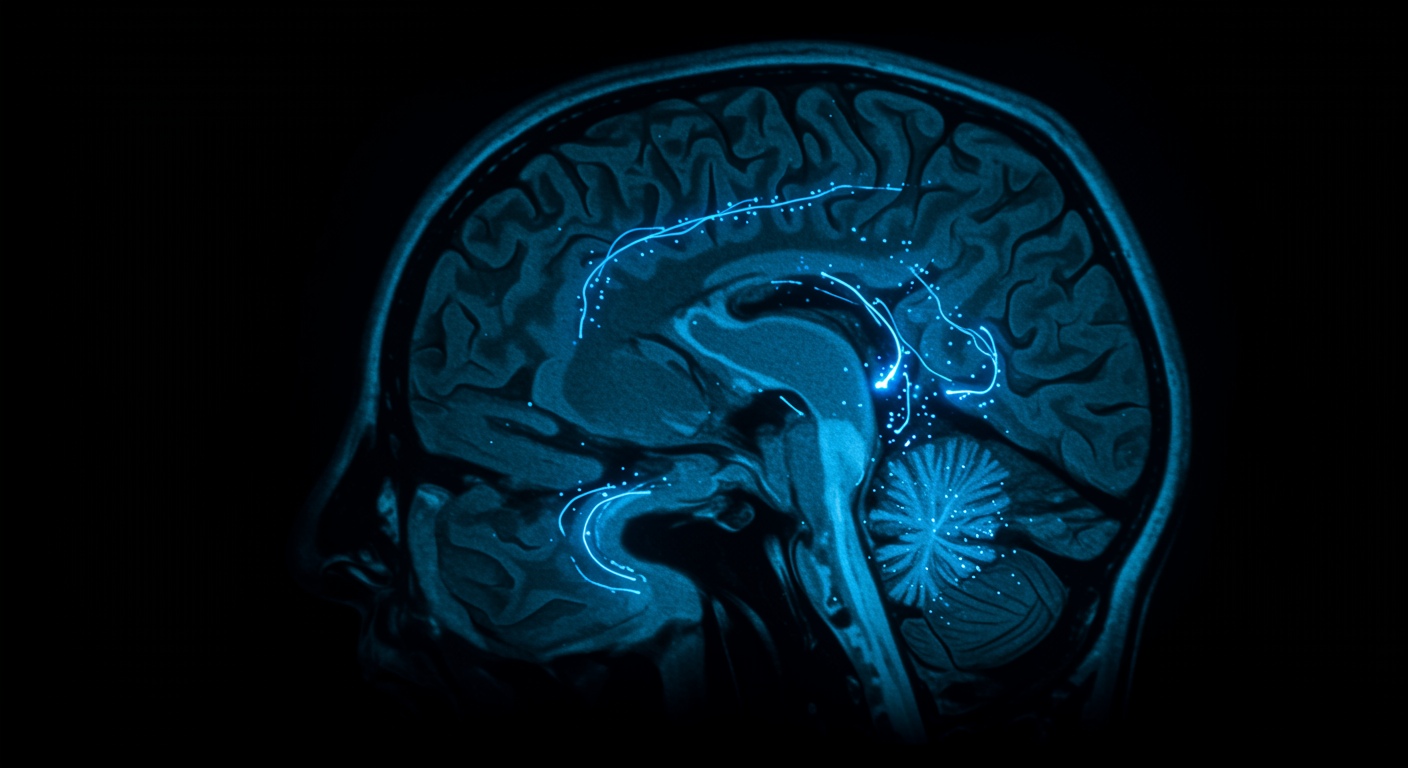
Loneliness creates measurable changes in brain structure and function, particularly affecting neural networks involved in social cognition, threat detection, and emotional regulation. These neurobiological changes help explain why chronic loneliness increases risks for depression, cognitive decline, and physical health problems, while also revealing potential targets for intervention.
Dr. Kumar’s Take
The neuroscience of loneliness reveals that social connection isn’t just “nice to have” - it’s neurobiologically essential. Loneliness literally rewires the brain toward hypervigilance and threat detection while impairing social cognition and emotional regulation. Understanding these mechanisms validates loneliness as a legitimate medical condition requiring intervention, not just a temporary emotional state to endure.