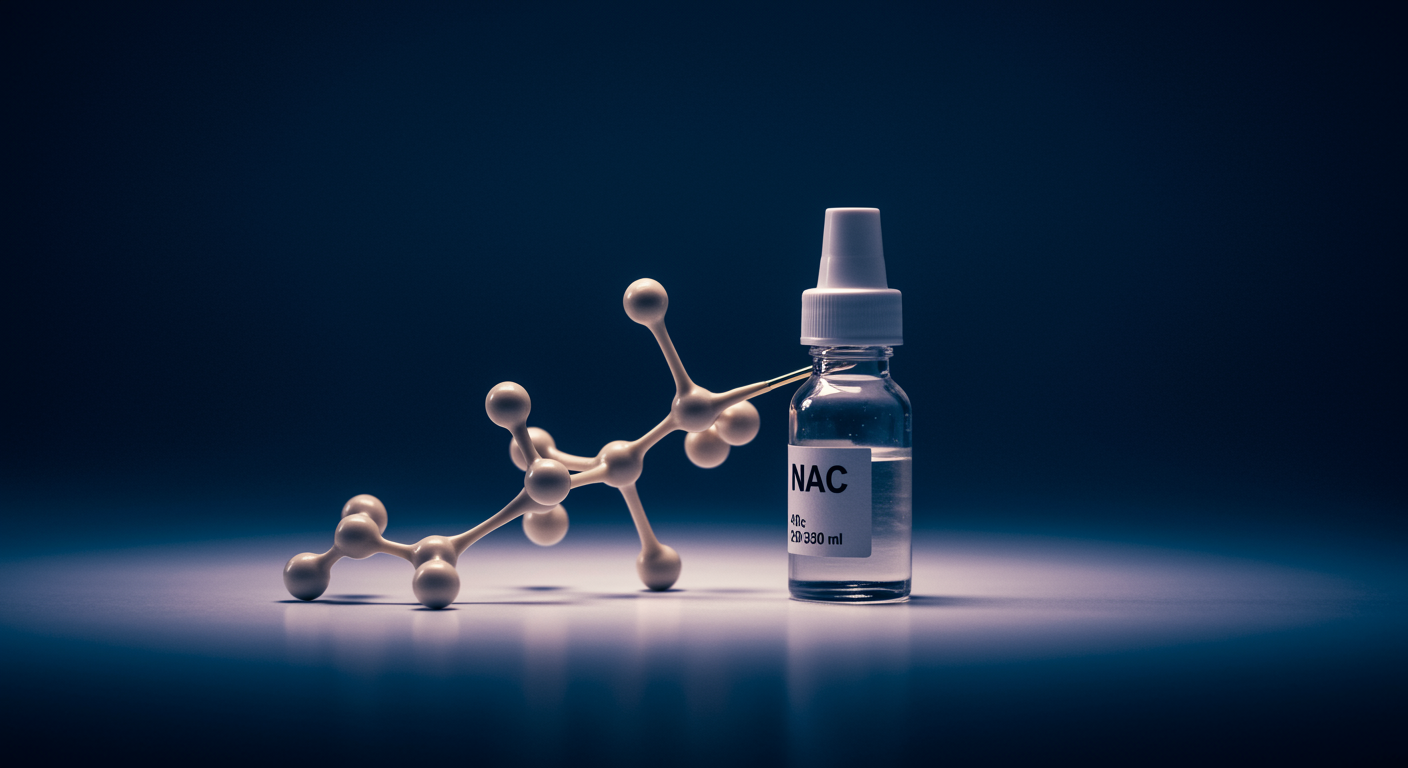
The Potential of N-Acetyl-L-Cysteine (NAC) in Psychiatric Treatment
Does NAC help psychiatric disorders?
NAC shows therapeutic potential across multiple psychiatric disorders by targeting cellular dysfunction and oxidative stress. Comprehensive review demonstrates benefits for depression, bipolar, OCD, and addiction.
NAC works by boosting glutathione production in the brain, modulating glutamate signaling, and reducing inflammation - addressing fundamental cellular processes rather than just neurotransmitter imbalances.
What the data show:
- Mechanism: master antioxidant precursor that boosts glutathione production
- Neurotransmitter effects: regulates glutamate signaling
- Anti-inflammatory: addresses underlying cellular dysfunction
- Broad effectiveness: benefits for depression, bipolar, OCD, addiction
- Paradigm shift: targets cellular processes rather than just neurotransmitter imbalances
A comprehensive review published in CNS Drugs examines N-Acetyl-L-Cysteine (NAC) across psychiatric disorders, offering a novel approach to mental health treatment by targeting fundamental cellular processes.