
Nutritional Psychiatry

Nutritional Psychiatry

Articles tagged with "Nutritional Psychiatry".

Diet Interventions for Depression: Evidence-Based Practice Recommendations

Tags: Diet Depression, Mediterranean Diet, DASH Diet, Nutritional Psychiatry

November 23, 2025

Can diet changes treat depression?

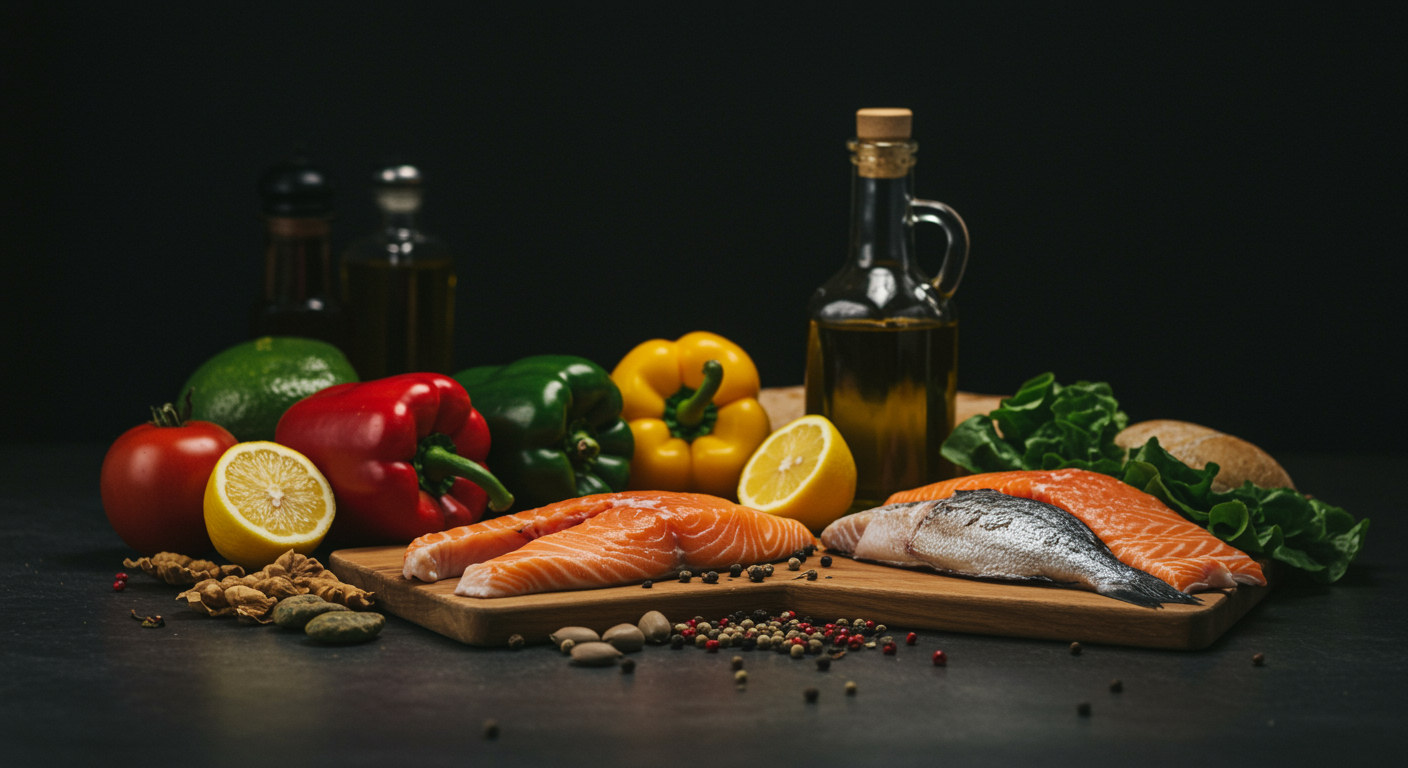
Yes. Healthy dietary patterns like the Mediterranean and DASH diets can actively treat depression and reduce symptoms through multiple biological mechanisms. A comprehensive literature review provides evidence-based recommendations showing greater adherence to healthy dietary patterns is associated with reduced depression symptoms.

What the data show:

  • Prevention: 33% risk reduction in depression development for highest vs lowest Mediterranean diet adherence (4 longitudinal studies, 10-year follow-up)
  • Treatment remission: 32% remission rate with Mediterranean diet vs 8% with social support (SMILES trial, n=56) - a 4-fold improvement
  • Meta-analysis: 12 studies with 150,000+ individuals show healthy diet reduces depression risk; 16 trials with 46,000 individuals show small but significant effect on depressive symptoms
  • Japanese diet: 56% risk reduction for depressive symptoms with highest vs lowest adherence (n=521)
  • Inflammation link: Pro-inflammatory diet associated with 1.4 times higher odds of depression (11 studies, n>100,000)
  • Mediterranean diet: Strongest evidence for depression prevention and treatment, emphasizing whole foods, healthy fats, and anti-inflammatory nutrients
  • DASH diet: Evidence-based dietary pattern consistently associated with improved mood outcomes
  • Focus areas: Whole foods, healthy fats, fruits, vegetables, and lean proteins while reducing processed foods and added sugars
  • Mechanism: Dietary interventions work by modulating the gut microbiome to improve gut-brain axis communication, reducing inflammatory processes that contribute to depression, decreasing oxidative stress that damages brain cells, and providing nutrients that support neurotransmitter synthesis and brain function - these multiple pathways work together to improve mood and reduce depressive symptoms

A comprehensive literature review presents compelling evidence for the role of diet in the prevention and treatment of depression, examining potential underlying mechanisms and providing practical recommendations for mental health clinicians. The research shows that greater adherence to healthy dietary patterns are associated with reduced depression symptoms and can actively treat depression through multiple biological mechanisms.
Read more

Magnesium Supplementation Benefits Depression: Meta-Analysis

Tags: Magnesium Depression, Mineral Supplementation, Natural Antidepressant, Nutritional Psychiatry

November 23, 2025

Does Magnesium Supplementation Really Help Depression?

A systematic review and meta-analysis published in PMC demonstrates that magnesium supplementation beneficially affects depression in adults with depressive disorder through evidence from randomized clinical trials. Magnesium is an essential mineral involved in over 300 enzymatic reactions in the body, including those critical for neurotransmitter synthesis, neural function, and stress response regulation. This comprehensive analysis synthesizes evidence from multiple clinical trials to determine whether magnesium supplementation provides meaningful therapeutic benefits for people with depression, addressing an important question about nutritional interventions for mental health.

Read more

Omega-3 Fatty Acids for Depression: Dose-Response Meta-Analysis

Tags: Omega-3 Depression, Fatty Acids, Nutritional Psychiatry, Dose-Response

November 23, 2025

What’s the Optimal Omega-3 Dose for Treating Depression?

A comprehensive systematic review and dose-response meta-analysis published in the British Journal of Nutrition examined the efficacy and safety of n-3 fatty acids supplementation on depression across randomized controlled trials. This analysis addresses critical questions about optimal dosing for omega-3 fatty acids in depression treatment, providing evidence-based guidance for both clinicians and patients considering nutritional approaches to mental health. The dose-response analysis reveals specific recommendations for maximizing therapeutic benefits while ensuring safety.

Read more

Omega-3 Fatty Acids Restore Balance on Gut-Brain Axis for Depression

Tags: Omega-3 Gut-Brain Axis, EPA DHA Depression, Gut Microbiome, Nutritional Psychiatry

November 23, 2025

How Do Omega-3 Fatty Acids Restore Balance Between Gut and Brain in Depression?

A comprehensive review published in Nutrients examines how omega-3 polyunsaturated fatty acids restore balance on the gut-brain axis and other interconnected biological pathways to improve depression. Major depressive disorder (MDD) is a complex, multifactorial condition involving dysregulation across immune, neural, and metabolic systems. Omega-3 polyunsaturated fatty acids (n-3 PUFAs), particularly eicosapentaenoic acid (EPA) and docosahexaenoic acid (DHA), have emerged as promising therapeutic agents that work through multiple interconnected pathways to address the root causes of depression.

Read more

SMILES Trial: Dietary Improvement for Major Depression

Tags: SMILES Trial, Diet Depression, Nutritional Psychiatry, Mediterranean Diet

November 23, 2025

Can diet changes treat depression?

Dietary improvements significantly reduce depression symptoms according to the landmark SMILES trial. Mediterranean-style diet intervention showed meaningful benefits compared to control group.

Diet works by providing essential nutrients for brain function, reducing inflammation, and supporting gut-brain axis communication - food literally acts as medicine for the brain.

What the data show:

  • Remission rate: 32% (1 in 3 participants achieved full recovery)
  • Diet type: Mediterranean-style with whole foods, fish, olive oil, vegetables
  • Treatment duration: 12-week structured dietary counseling program
  • Combined treatment: works alongside medication and therapy
  • Evidence level: first RCT demonstrating dietary intervention alone can treat depression

The SMILES (Supporting the Modification of lifestyle In Lowered Emotional States) trial published in BMC Medicine represents groundbreaking research in nutritional psychiatry, demonstrating that structured dietary intervention can significantly improve depressive symptoms in adults with major depression.

Read more