
Nicotine

Nicotine

Articles tagged with "Nicotine".

The Impact of Nicotine on Wound Healing: Cigarettes vs Vaping vs Patches

Tags: Nicotine, Wound Healing, Smoking, Surgery, Recovery

August 31, 2025

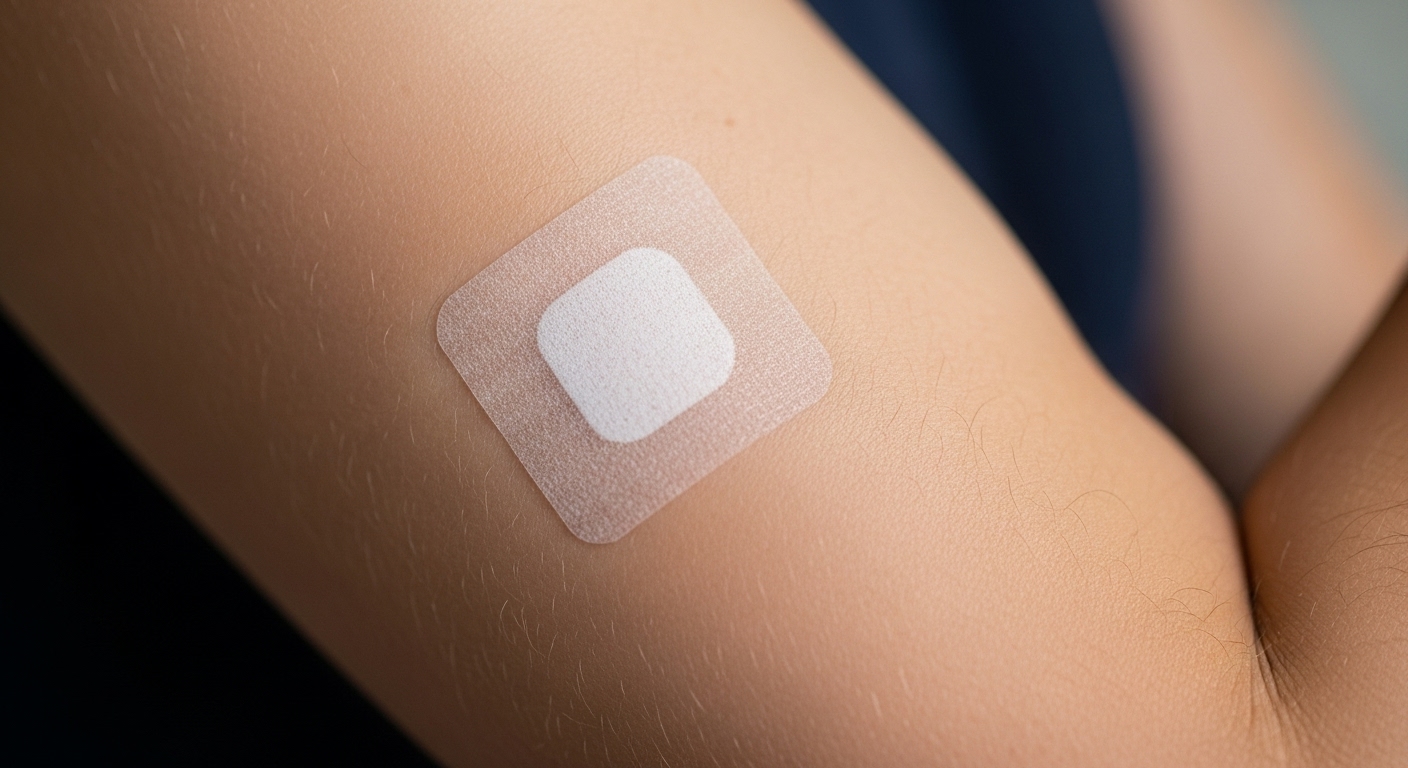
Does nicotine affect wound healing after surgery?

Yes. Nicotine significantly impairs wound healing regardless of delivery method, with cigarettes causing the most severe damage. All forms of nicotine - cigarettes, vaping, and patches - delay healing by reducing blood flow, disrupting cellular repair processes, and weakening immune response.

This 2025 systematic review by Bonilla et al. examined how different nicotine delivery systems affect the body’s ability to heal wounds. The research reveals that while cigarettes cause the most damage due to additional toxins like carbon monoxide and tar, nicotine itself is the primary culprit behind delayed healing across all delivery methods.
Read more

Can a Nicotine Patch Sharpen Thinking in Mild Cognitive Impairment?

Tags: Nicotine, Mild Cognitive Impairment, Cognition

August 31, 2025

Dr. Kumar’s Take

This 6 month trial asked a simple question: can a nicotine patch help thinking in people with mild cognitive impairment. The answer is a careful yes for test scores and a no for overall clinical change. People on nicotine showed better attention and some memory on computer tests. Clinicians did not rate patients as clearly better in daily life. Side effects were mostly mild.

My bottom line: this is interesting biology, not a green light for self treatment. If you or a loved one has memory concerns, focus first on proven pillars like sleep, exercise, blood pressure control, and hearing support. If you are curious about research use of nicotine, talk with your clinician and avoid over the counter experiments.

Read more

Nicotine and Mitochondria: Why mtDNA Drops and What That Means

Tags: Nicotine, Mitochondria, Autophagy

August 31, 2025

Dr. Kumar’s Take

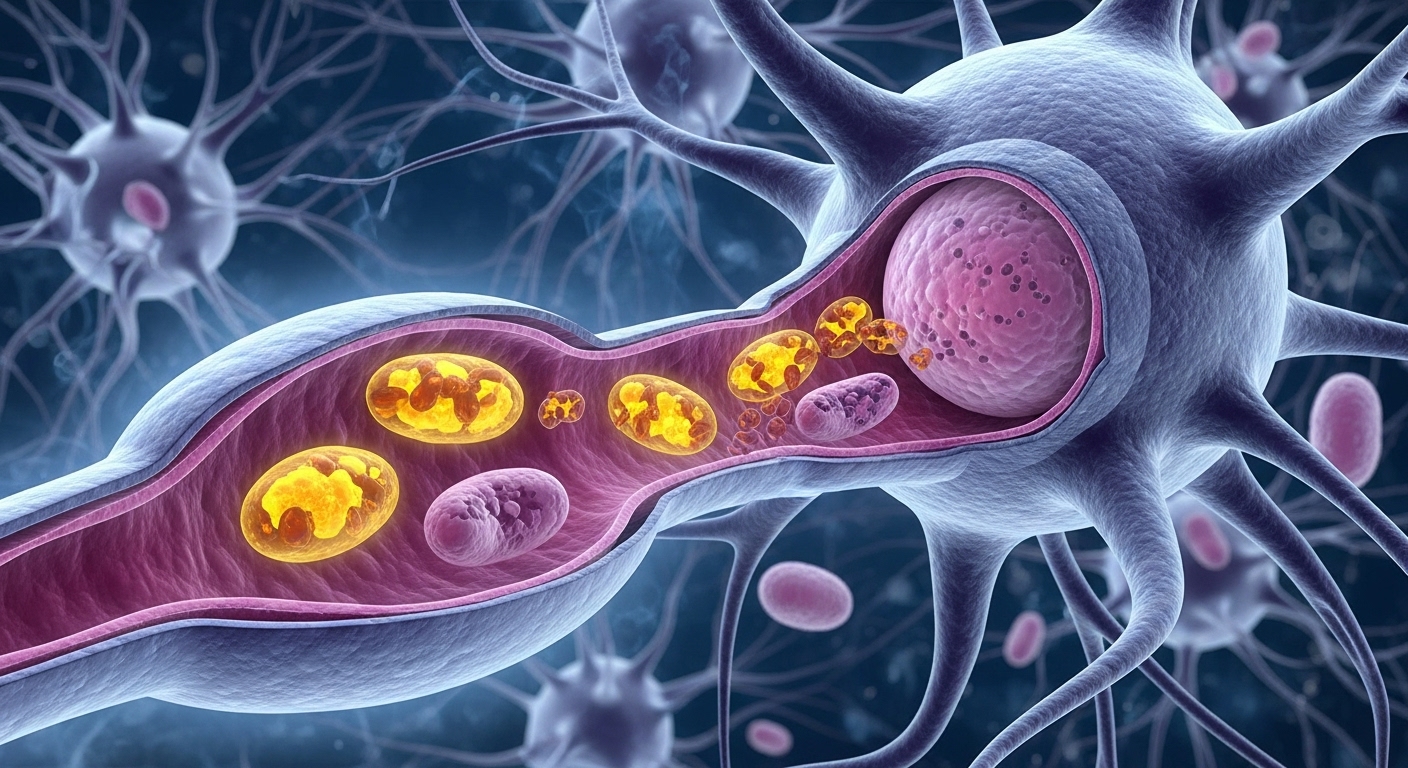
This paper shows a clear signal: long nicotine exposure is linked to fewer copies of mitochondrial DNA (mtDNA) in blood and brain tissue, and in human nerve cells in the lab. Fewer mtDNA copies usually mean the cell’s power plants are stressed. The study points to autophagy, the cell’s recycling system, as the main driver of that loss.

What to do about it: if you use nicotine, make a plan to taper and quit. Protect your mitochondria with basics that lower oxidative stress and support energy metabolism, like regular exercise, sleep, and a diet rich in colorful plants and omega-3 fats. If you are using nicotine to focus, swap to safer, proven strategies below.

Read more