
Metabolism

Metabolism

Articles tagged with "Metabolism".

Tryptophan's Three Pathways: How Your Body Uses This Essential Amino Acid

Tags: Tryptophan, Metabolism, Kynurenine, Disease

November 26, 2025

What Are the Three Major Ways Your Body Processes Tryptophan?

Your body processes tryptophan through three distinct metabolic pathways: the kynurenine pathway (which handles over 95% of tryptophan), the serotonin pathway (producing the mood neurotransmitter), and the indole pathway (involving gut bacteria). Each pathway produces different bioactive compounds that regulate inflammation, immune responses, neurological function, and metabolism - and disruptions in these pathways are linked to various diseases including cancer, depression, and autoimmune disorders.

Read more

Central and Peripheral Circadian Clocks: How Your Body Coordinates Time

Tags: Circadian Rhythm, Biological Clocks, SCN, Peripheral Clocks, Metabolism

October 22, 2025

How Does Your Brain Coordinate Biological Clocks Throughout Your Body?

The mammalian circadian system operates through a hierarchical network where the master clock in the suprachiasmatic nucleus (SCN) of the brain coordinates with peripheral clocks located in virtually every organ and tissue throughout the body. This comprehensive review reveals that while the SCN acts as the central pacemaker, responding primarily to light signals, peripheral clocks in organs like the liver, heart, and kidneys can be influenced by additional factors including feeding patterns, temperature, and hormonal signals. The coordination between central and peripheral clocks is essential for optimal metabolism, sleep-wake cycles, and overall physiological function, with disruption of this coordination contributing to metabolic disorders and circadian rhythm sleep disorders.
Read more

Late Dinner Disrupts Metabolism and Sleep: Randomized Crossover Study

Tags: Late Dinner, Meal Timing, Metabolism, Sleep Quality

October 22, 2025

How Does Eating Dinner Late Affect Your Metabolism and Sleep?

Eating dinner late significantly impairs glucose metabolism and sleep quality, with this randomized crossover study showing that late meals (within 4 hours of bedtime) increase blood glucose levels, delay sleep onset, and reduce sleep efficiency compared to earlier dinner timing. The research demonstrates that late eating disrupts circadian metabolic rhythms, leading to higher peak glucose levels, delayed glucose clearance, and poorer sleep architecture. These effects occur even when the meal composition and total daily caloric intake remain identical, highlighting the critical importance of meal timing for both metabolic health and sleep quality.

Read more

Sympathetic Nervous System and Catecholamines in Sleep Apnea: Metabolic Impact

Tags: Sleep Apnea, Sympathetic Nervous System, Catecholamines, Metabolism, Cardiovascular Risk

October 22, 2025

How Does Sleep Apnea Affect Stress Hormones and Metabolism?

Obstructive sleep apnea dramatically elevates sympathetic nervous system activity and catecholamine levels, leading to significant metabolic dysfunction and increased cardiovascular risk, this research demonstrates. The study found that OSA patients have 3-4 fold higher levels of norepinephrine and epinephrine compared to healthy controls, with these stress hormones remaining elevated even during wakefulness. This chronic catecholamine excess contributes to insulin resistance, elevated blood glucose, increased blood pressure, and altered lipid metabolism, creating a cascade of metabolic dysfunction that significantly increases the risk of diabetes, heart disease, and stroke. The research reveals that sleep apnea essentially creates a state of chronic stress that persists 24 hours a day, fundamentally altering how the body processes energy and maintains metabolic homeostasis.

Read more

Why Humans Lost Uricase: Evolutionary Insights from Ancient Enzymes

Tags: Uric Acid, Uricase, Evolution, Metabolism, Gout

August 20, 2025

Dr. Kumar’s Take

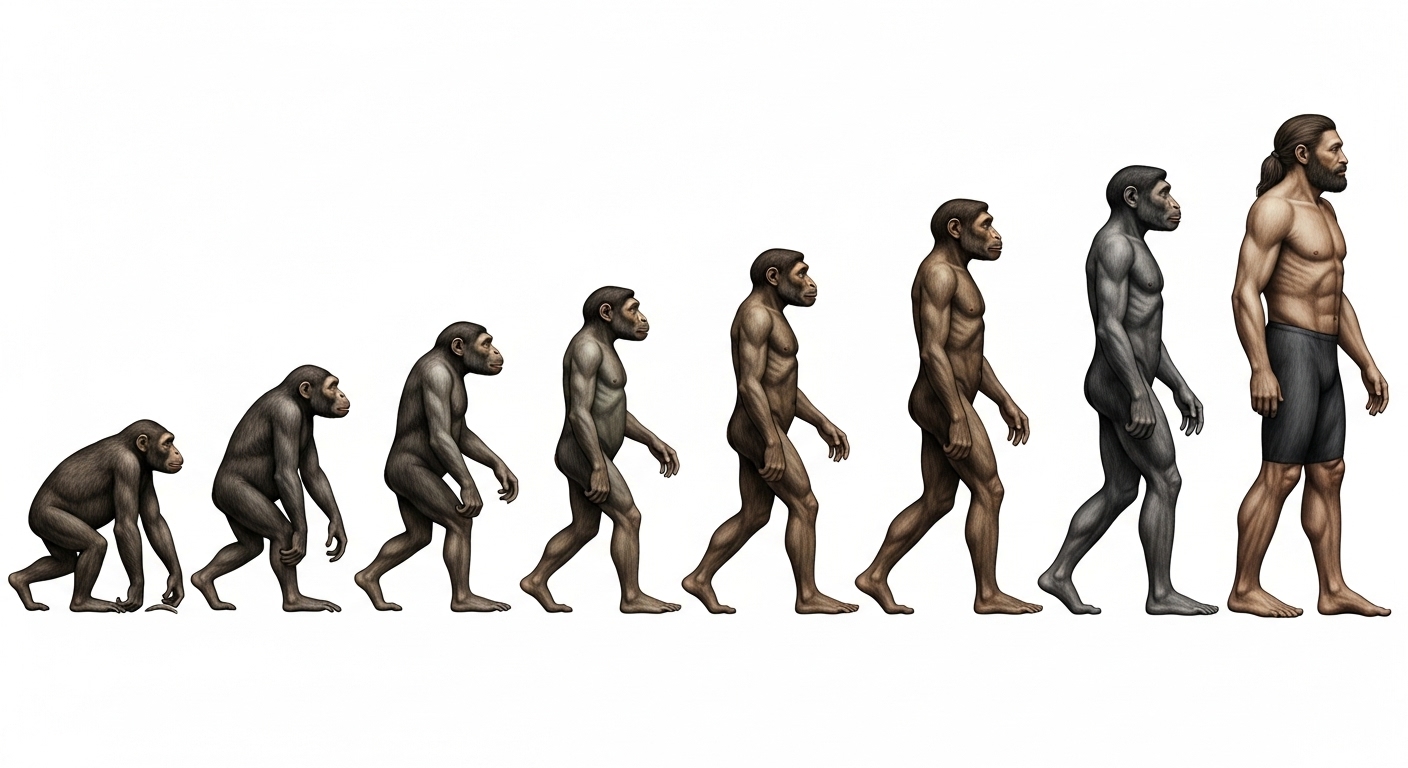
This study used a fascinating approach called ancestral sequence reconstruction to “resurrect” ancient versions of uricase, the enzyme that breaks down uric acid. What they found was that uricase did not suddenly disappear in humans and apes. Instead, it weakened step by step across millions of years before finally being shut down. This gradual loss likely helped our ancestors survive by storing more fat from fruit sugar (fructose) during times of food shortage. But today, that same genetic change contributes to high uric acid levels, gout, obesity, and metabolic disease.

Read more