
Depression's Hidden Cause: How Tryptophan Metabolism Goes Wrong
How Does Disrupted Tryptophan Metabolism Contribute to Depression?
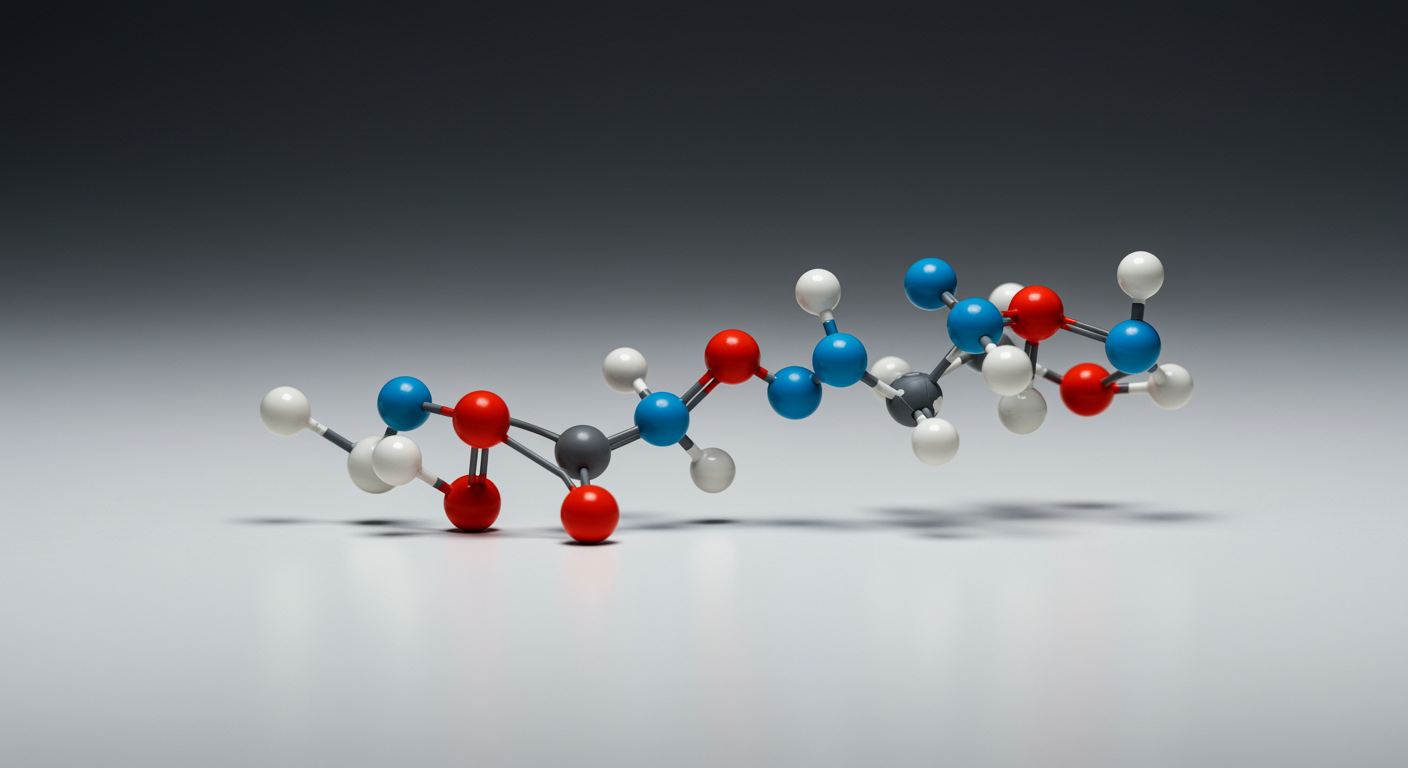
Disrupted tryptophan metabolism in depression involves a shift away from serotonin production toward the kynurenine pathway, which produces both neuroprotective and neurotoxic metabolites. When inflammation or stress activates enzymes like IDO and TDO, they divert tryptophan from serotonin synthesis while generating compounds like quinolinic acid that can damage brain cells and worsen depressive symptoms, creating a biochemical basis for the mood disorder beyond simple serotonin deficiency.