Exercise Recovery

Exercise Recovery

Articles tagged with "Exercise Recovery".

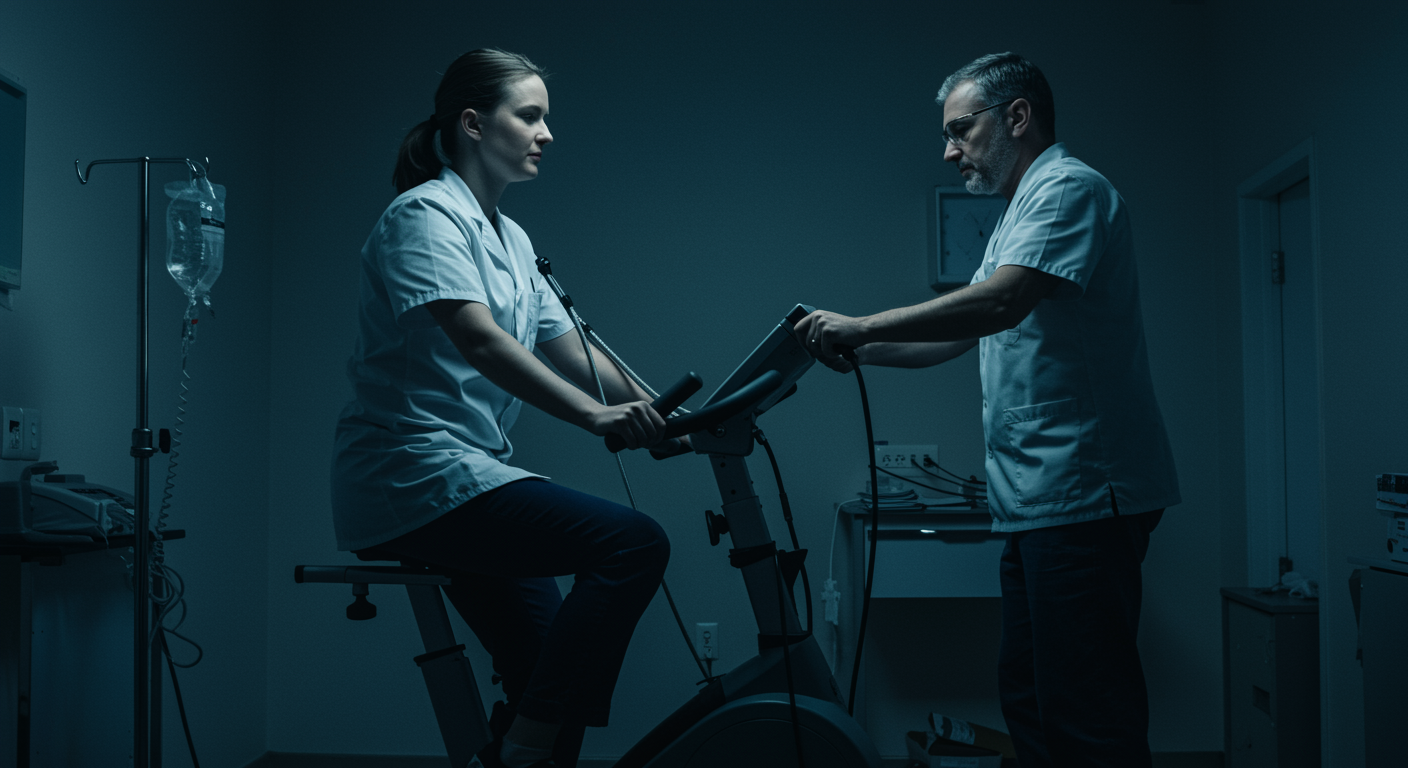
HBOT Effects on Mitochondrial Function and Athletic Performance: RCT

Tags: Exercise Recovery, Clinical Trial, Evidence-Based Medicine, Metabolic Health

January 20, 2026

Can Hyperbaric Oxygen Therapy Improve Fitness in Middle-Aged Athletes?

Yes. This double-blind randomized controlled trial found 40 sessions of HBOT significantly improved VO2max (effect size 0.99), anaerobic threshold (effect size 0.84), mitochondrial respiratory capacity (effect size 1.09), and increased mitochondrial mass by 17% compared to -9% in controls. This is the first blinded RCT to demonstrate HBOT enhances athletic performance.

Previous studies suggested hyperbaric oxygen might enhance performance, but none used proper placebo controls. This Israeli study used rigorous double-blinding, muscle biopsies to measure mitochondrial changes, and cardiopulmonary exercise testing to assess real-world performance.
Read more

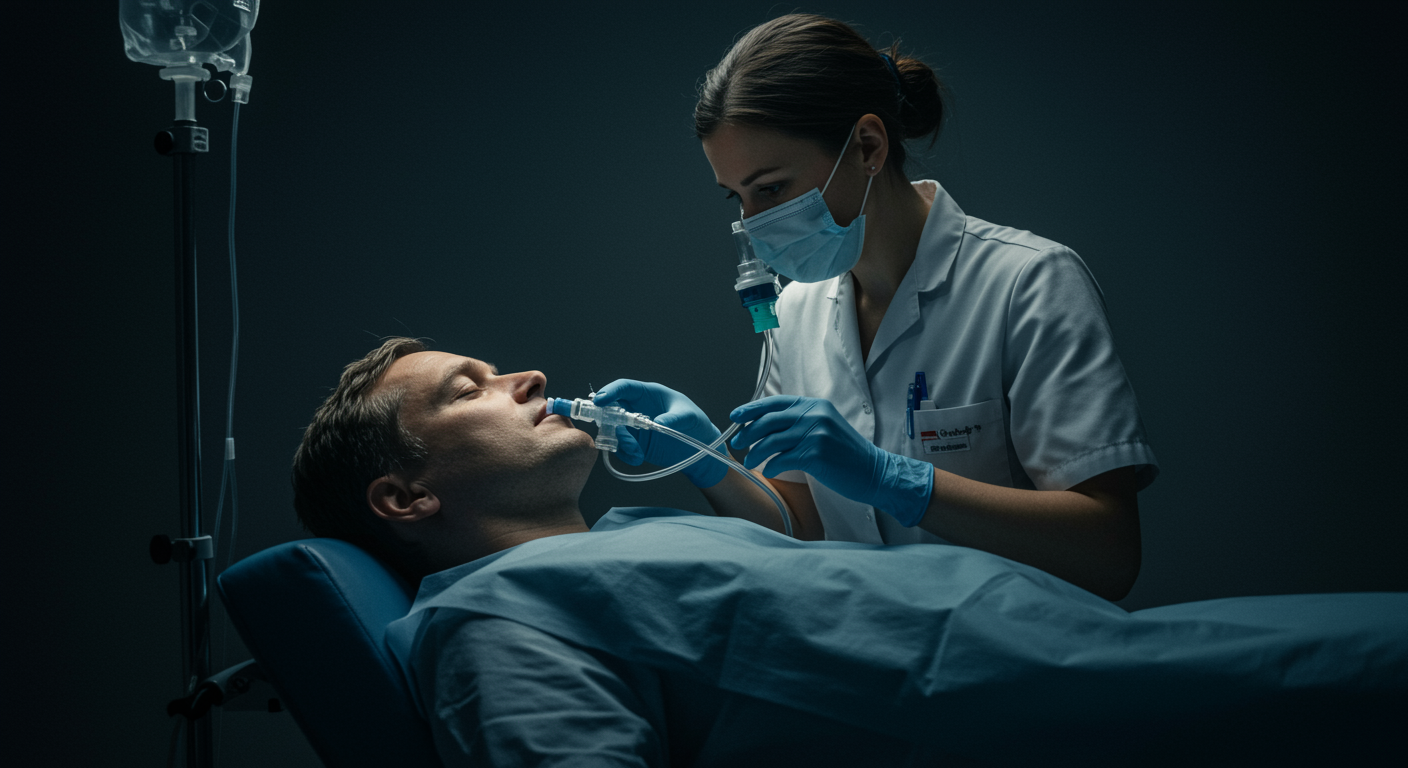
High-Flow Oxygen During Exercise Training in COPD: RCT Results

Tags: Exercise Recovery, Clinical Trial, Evidence-Based Medicine

January 20, 2026

Does High-Flow Oxygen Improve Exercise Training in COPD Patients?

Partially. This multicenter trial of 171 COPD patients found that high-flow oxygen therapy (HFOT) during training improved walking distance by 17 meters more than standard oxygen masks. However, HFOT didn’t significantly improve cycling endurance time over standard oxygen delivery.

High-flow oxygen therapy delivers warm, humidified oxygen at higher flow rates than traditional masks. Researchers across 8 Italian rehabilitation hospitals tested whether this newer technology would produce better exercise training results for patients with COPD and chronic low oxygen levels.

Read more

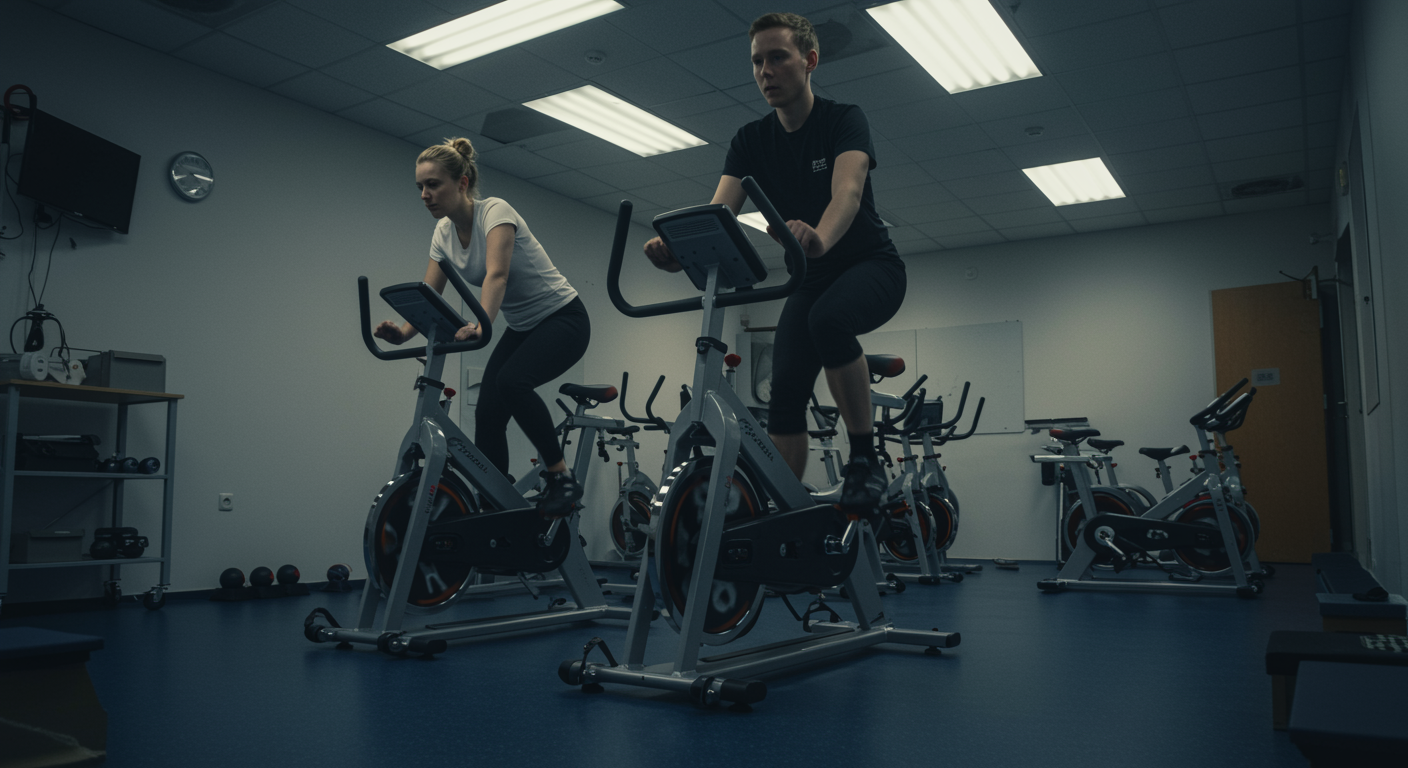
Hyperoxic Training Doubles Exercise Performance Gains

Tags: Exercise Recovery, Athletic Performance, Evidence-Based Medicine

January 20, 2026

Can Training with Extra Oxygen Make Athletes Faster?

Yes. This study found that athletes who trained while breathing 60% oxygen improved their endurance by 117%, compared to only 50% improvement when training with normal air. The extra oxygen allowed them to train at 8.1% higher power outputs while maintaining the same heart rate.

Researchers wanted to test a simple idea. If athletes can work harder while breathing extra oxygen, could training at those higher intensities produce better results? This study put that theory to the test with a clever crossover design.

Read more

Optimizing Cardiopulmonary Rehabilitation Duration for Long COVID

Tags: Exercise Recovery, Evidence-Based Medicine, Research Review

January 20, 2026

How Long Does Cardiopulmonary Rehab Need to Be for Long COVID?

A 2-week supervised rehabilitation program produces lasting benefits. This study of 200 long COVID patients found VO2max improved by 12% between 2-month and 3-month follow-ups (p<0.05), demonstrating that a short intensive program sets patients on a trajectory of continued recovery.

With an estimated 43% of COVID survivors experiencing long COVID, affecting the working, middle-aged population most severely, researchers at Semmelweis University tested whether a focused rehabilitation program could restore function efficiently.

Read more

Oxygen Therapy During ADL Rehabilitation in Severe COVID-19

Tags: Exercise Recovery, Clinical Trial, Evidence-Based Medicine

January 20, 2026

How Long Do Severe COVID Patients Need Oxygen During Daily Activities?

About 7 weeks on average. This prospective study of 23 severe-to-critical COVID-19 patients found supplemental oxygen was needed for 48.6 days during activities of daily living. Showering required oxygen the longest (47.7 days), while dressing weaned first (38.4 days). Mechanical ventilation history and exertional desaturation predicted prolonged oxygen needs.

Recovering from severe COVID-19 involves regaining the ability to perform basic self-care tasks. This Singapore-based study tracked exactly how long patients needed supplemental oxygen during specific activities, providing valuable data for discharge planning and patient expectations.

Read more

Oxygen Therapy During Exercise Training in Chronic Obstructive

Tags: Exercise Recovery, Drug Therapy, Evidence-Based Medicine

January 20, 2026

Does Oxygen During Exercise Training Help COPD Patients?

The evidence is limited but shows modest benefits. This Cochrane review of 5 studies found that oxygen supplementation during exercise training improved exercise time by about 2.7 minutes and reduced breathlessness scores. However, no improvements were found in walking distance or quality of life.

People with COPD struggle with exercise because shortness of breath limits their activity. Researchers wondered if adding oxygen during rehabilitation exercise sessions would help them train harder and see better results.

Read more

Oxygen-Enriched Air Boosts Exercise in Healthy and Sick Patients

Tags: Exercise Recovery, Research Review, Evidence-Based Medicine

January 20, 2026

Does Breathing Extra Oxygen Improve Exercise Performance?

Yes. This systematic review found that breathing oxygen-enriched air (50% oxygen) increased maximal power output by 5.3% and endurance time by 52% in healthy people. In patients with pulmonary hypertension, the benefits were even larger, with endurance time more than doubling.

Exercise performance depends on how well your body delivers oxygen to working muscles and the brain. This comprehensive review examined what happens when you breathe air with either less oxygen (hypoxia, like at altitude) or more oxygen (hyperoxia, like supplemental oxygen therapy).

Read more

Physical Exercise-Based Rehabilitation for Long COVID: Meta-Analysis of 23 Studies

Tags: Exercise Recovery, Research Review, Evidence-Based Medicine

January 20, 2026

Does Exercise-Based Rehabilitation Help Long COVID Symptoms?

Yes. This meta-analysis of 23 studies with 1,579 patients found exercise rehabilitation significantly improves walking distance (95m increase), reduces dyspnea, fatigue, and depression, and enhances quality of life. The adverse event rate was only 1.2%, making it a safe and effective therapy.

With 10-50% of COVID survivors developing long-lasting symptoms, effective treatments are urgently needed. Researchers systematically analyzed all available evidence on whether supervised exercise programs help people recover from long COVID.

Read more

Supplemental Oxygen and Muscle Metabolism in Mitochondrial Myopathy

Tags: Exercise Recovery, Metabolic Health, Drug Therapy, Evidence-Based Medicine

January 20, 2026

Can Oxygen Therapy Help People with Mitochondrial Muscle Disease?

Yes. This study found that breathing pure oxygen improved muscle energy production by 33% in patients with mitochondrial myopathy. In contrast, healthy controls showed only a 5% improvement that was not statistically significant.

Mitochondrial myopathy (MM) is a condition where the energy factories in muscle cells don’t work properly. This makes exercise difficult and exhausting. Researchers used advanced MRI technology to measure whether extra oxygen could help these struggling mitochondria work better.

Read more

Exercise Recovery, Doms, and Training Adaptation

Tags: Exercise Recovery, Cold Therapy, Evidence-Based Medicine

January 16, 2026

Does Cold Exposure Hurt Your Thinking Ability?

Yes. This systematic review of 18 studies found that cold exposure impairs brain function in 15 out of 18 experiments. The most affected areas were attention, processing speed, memory, and executive function.

Researchers wanted to know how cold air and cold water affect mental performance in healthy adults. They looked at studies using climate chambers and cold water tanks. The findings have important implications for workers in cold environments, such as fishermen, soldiers, and mountain rescuers.

Read more

Improved Mood Following a Single Immersion in Cold Water

Tags: Mental Health, Exercise Recovery, Cold Therapy, Evidence-Based Medicine

January 16, 2026

Can a Single Cold Water Dip Improve Your Mood?

Yes. This study found that just one 18-minute immersion in cold sea water significantly improved mood in 42 healthy adults. Total mood disturbance dropped by 15 points in the cold water group compared to only 2 points in controls.

You don’t need to swim. You don’t need weeks of practice. According to this 2021 study from the University of Chichester, simply standing in chest-deep cold water can produce immediate mood benefits. This challenges the common belief that swimming or exercise is required for cold water’s mental health effects.

Read more

Meta-analysis: Cold-water Immersion After Exercise and Fatigue

Tags: Exercise Recovery, Cold Therapy, Research Review, Evidence-Based Medicine

January 16, 2026

Does Cold Water Hurt Your Thinking Ability?

Yes, in most cases. This systematic review of 18 studies found that cold exposure impairs cognitive performance in 15 of them (83%). The effects happen even before your body temperature drops dangerously low, and cold water has a stronger impact than cold air.

Whether you’re a winter swimmer, an outdoor worker, or someone who enjoys cold plunges, you might wonder: does cold water affect your brain? This comprehensive review from 2021 analyzed studies on both cold air and cold water exposure to answer that question.

Read more