
Dermatology

Dermatology

Articles tagged with "Dermatology".

LED Light Therapy for Skin Rejuvenation: How It Works

Tags: Dermatology, Evidence-Based Medicine

March 24, 2026

Can LED Light Therapy Actually Improve Your Skin?

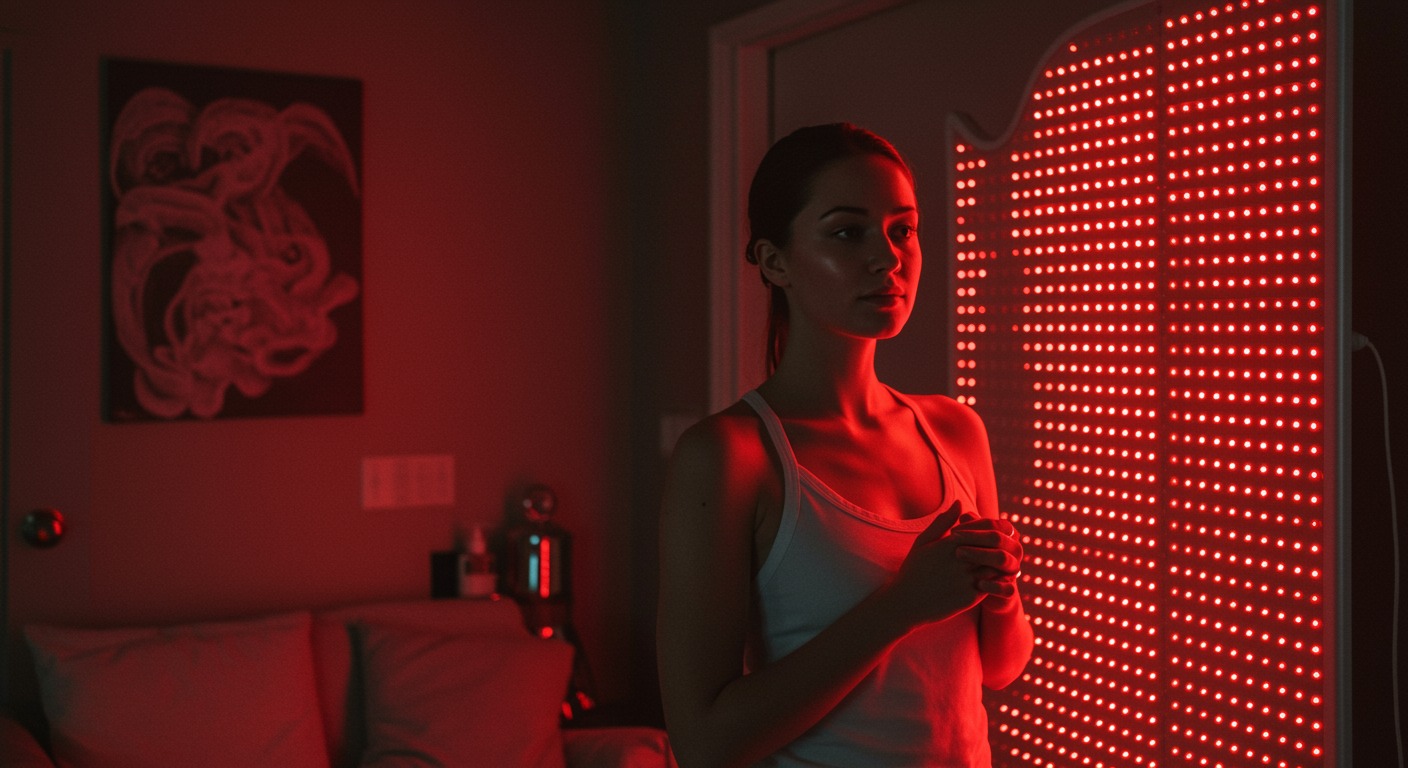
Yes. This comprehensive review found that LED light therapy at specific wavelengths triggers measurable biological changes in the skin, including increased collagen production, reduced inflammation, and improved cellular function. Different colors of light target different skin concerns.

Red light therapy, also known as low-level laser therapy (LLLT) or photobiomodulation (PBM), uses specific wavelengths of red and near-infrared light to promote healing and reduce inflammation.
Read more

Red Light Therapy for Hair Loss: What the Evidence Shows

Tags: Dermatology, Evidence-Based Medicine

March 24, 2026

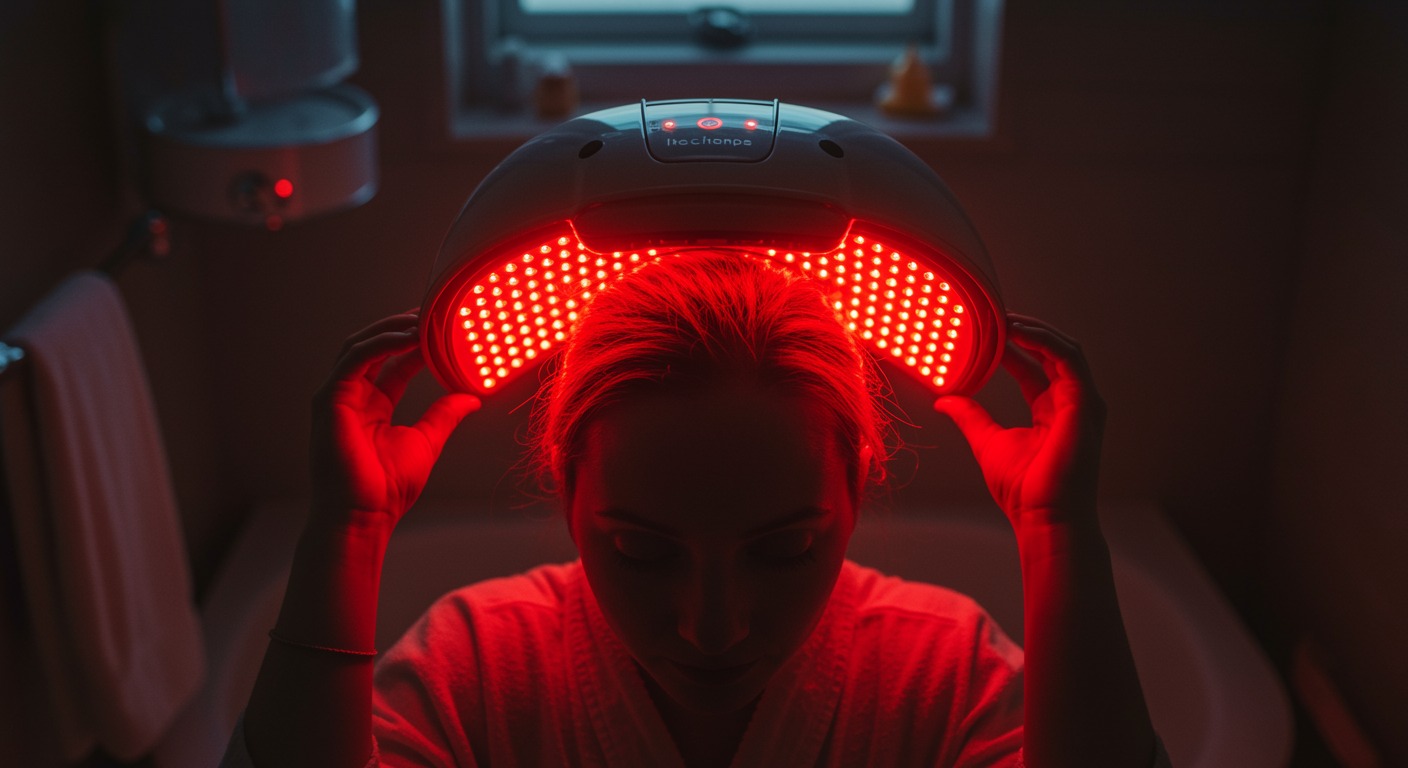
Does Red Light Therapy Work for Hair Loss?

Yes. This systematic review and meta-analysis found that low-level laser therapy (LLLT) significantly improved hair density in patients with androgenetic alopecia. LLLT devices like the HairMax LaserComb are FDA-cleared for treating pattern hair loss, alongside the FDA-approved medications minoxidil and finasteride.

Red light therapy, also known as low-level laser therapy (LLLT) or photobiomodulation (PBM), uses specific wavelengths of red and near-infrared light to promote healing and reduce inflammation.

Read more

Three Wavelengths for Hair Loss: Which Light Works Best?

Tags: Dermatology, Evidence-Based Medicine

March 24, 2026

Which Wavelength of Light is Best for Hair Growth?

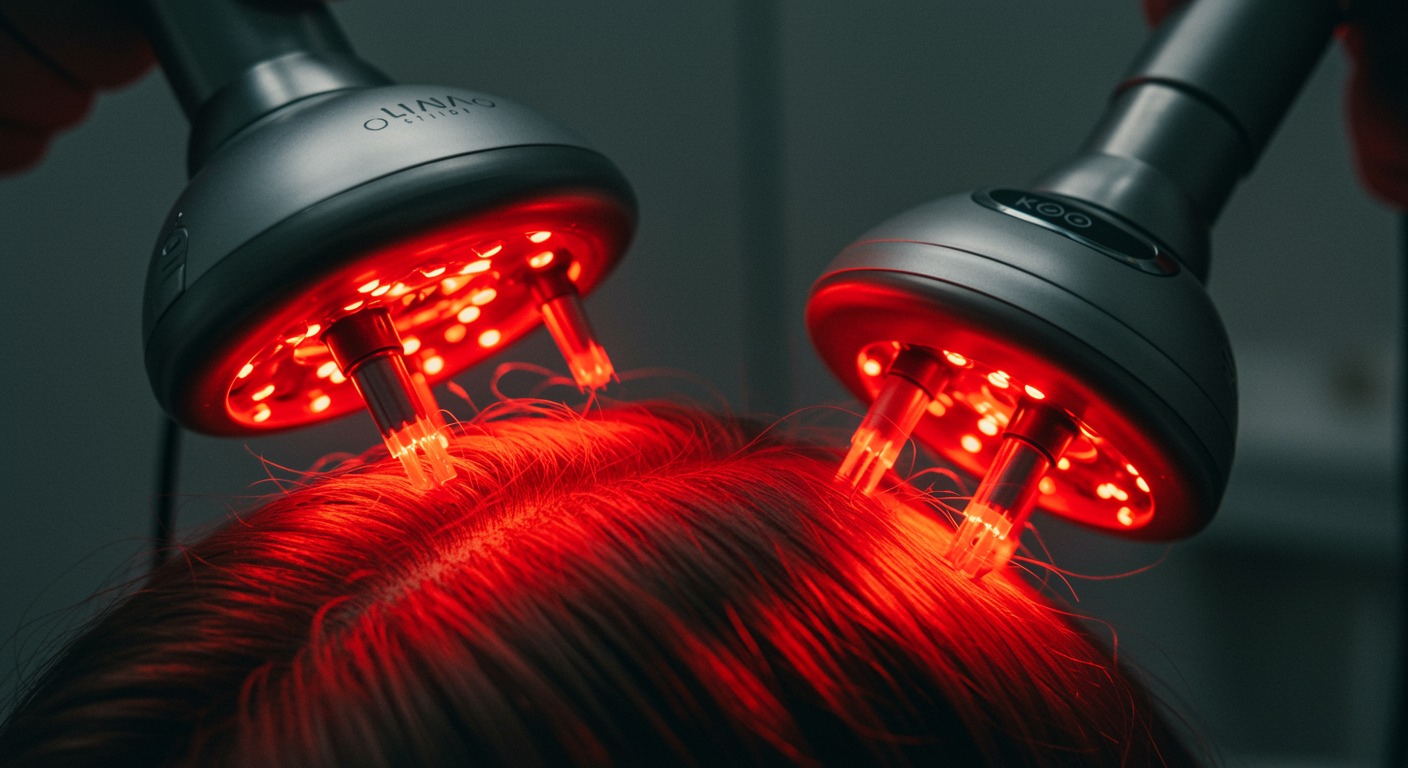
The classic 650 nm red light performed well, but this clinical trial of 68 participants found that all three tested wavelengths, including 1550 nm and far-infrared (14,000 nm), showed improvements in hair density and scalp health over three to nine months of treatment.

Red light therapy, also known as low-level laser therapy (LLLT) or photobiomodulation (PBM), uses specific wavelengths of red and near-infrared light to promote healing and reduce inflammation.

Read more