
Diet Interventions for Depression: Evidence-Based Practice Recommendations
Can diet changes treat depression?
Yes. Healthy dietary patterns like the Mediterranean and DASH diets can actively treat depression and reduce symptoms through multiple biological mechanisms. A comprehensive literature review provides evidence-based recommendations showing greater adherence to healthy dietary patterns is associated with reduced depression symptoms.
What the data show:
- Prevention: 33% risk reduction in depression development for highest vs lowest Mediterranean diet adherence (4 longitudinal studies, 10-year follow-up)
- Treatment remission: 32% remission rate with Mediterranean diet vs 8% with social support (SMILES trial, n=56) - a 4-fold improvement
- Meta-analysis: 12 studies with 150,000+ individuals show healthy diet reduces depression risk; 16 trials with 46,000 individuals show small but significant effect on depressive symptoms
- Japanese diet: 56% risk reduction for depressive symptoms with highest vs lowest adherence (n=521)
- Inflammation link: Pro-inflammatory diet associated with 1.4 times higher odds of depression (11 studies, n>100,000)
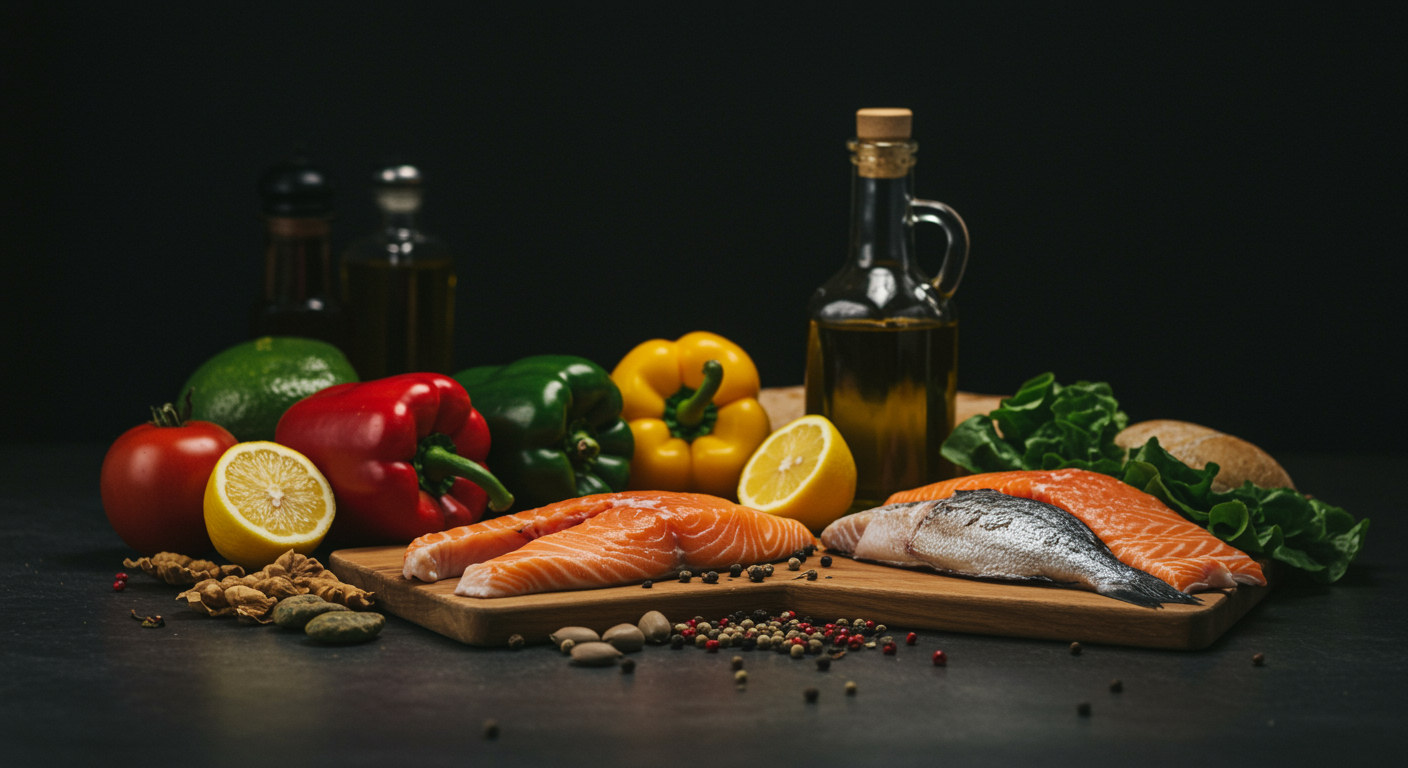
- Mediterranean diet: Strongest evidence for depression prevention and treatment, emphasizing whole foods, healthy fats, and anti-inflammatory nutrients
- DASH diet: Evidence-based dietary pattern consistently associated with improved mood outcomes
- Focus areas: Whole foods, healthy fats, fruits, vegetables, and lean proteins while reducing processed foods and added sugars
- Mechanism: Dietary interventions work by modulating the gut microbiome to improve gut-brain axis communication, reducing inflammatory processes that contribute to depression, decreasing oxidative stress that damages brain cells, and providing nutrients that support neurotransmitter synthesis and brain function - these multiple pathways work together to improve mood and reduce depressive symptoms
A comprehensive literature review presents compelling evidence for the role of diet in the prevention and treatment of depression, examining potential underlying mechanisms and providing practical recommendations for mental health clinicians. The research shows that greater adherence to healthy dietary patterns are associated with reduced depression symptoms and can actively treat depression through multiple biological mechanisms.