Cold Therapy

Cold Therapy

Articles tagged with "Cold Therapy".

Headache and Migraine Cold-based Interventions and Health Benefits

Tags: Neurology, Pain Management, Cold Therapy, Surgery

January 16, 2026

Can Cooling Through Your Nose Help Stop a Migraine?

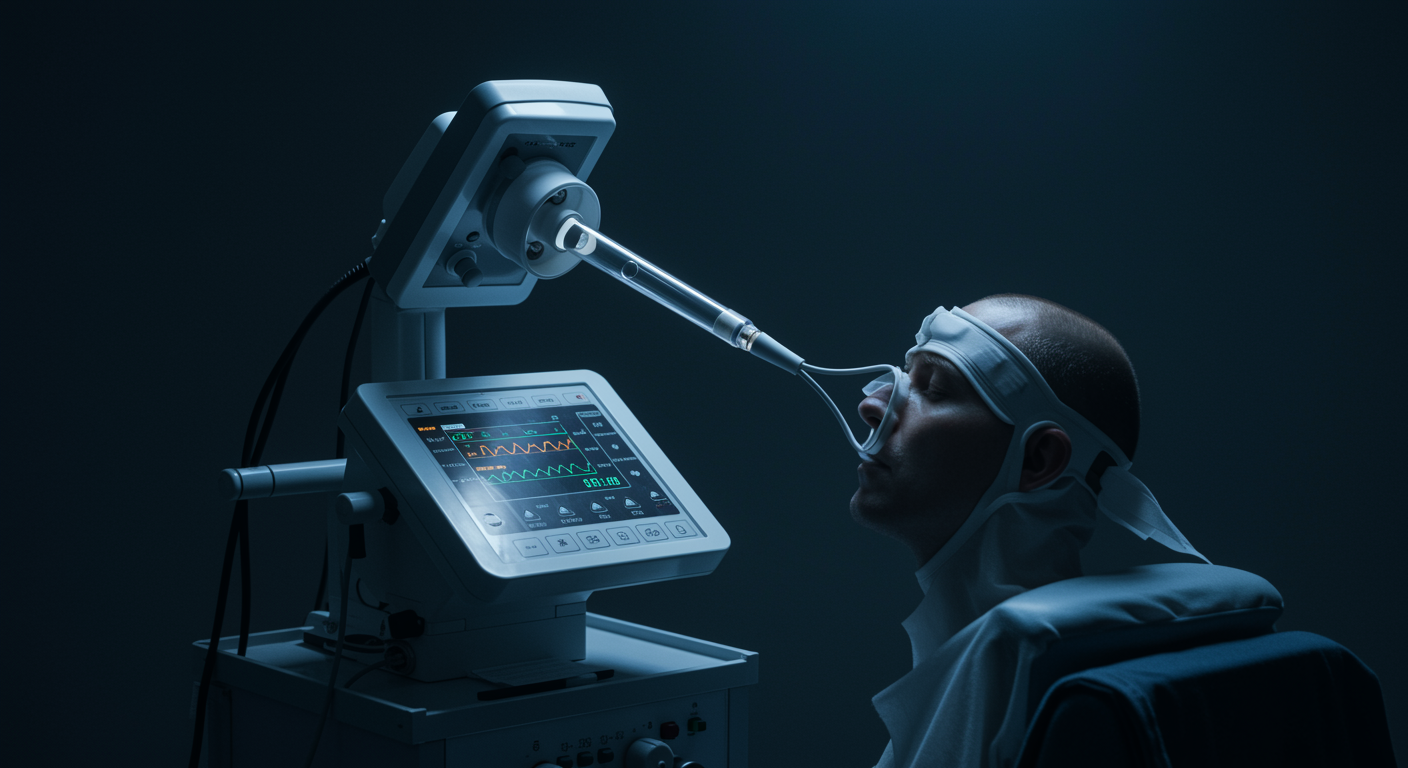
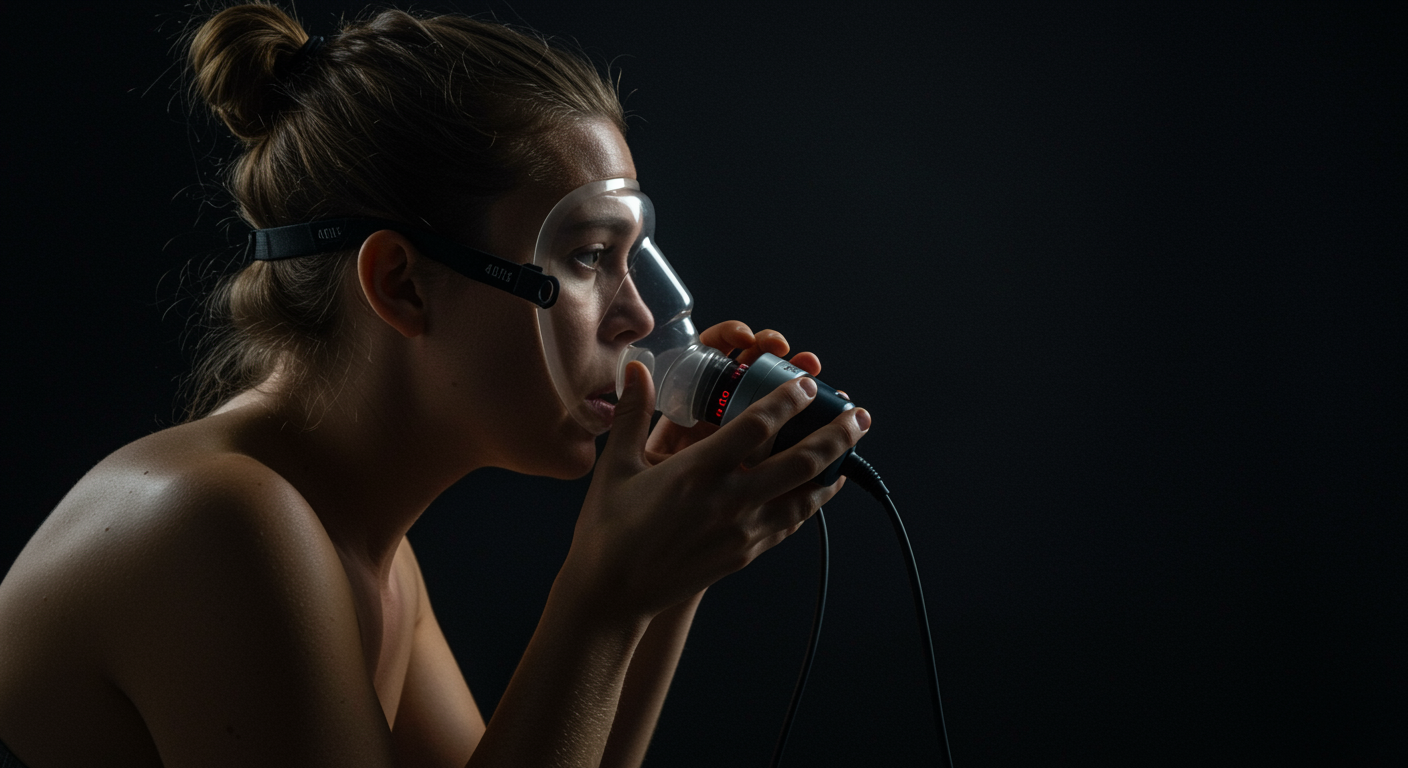
Yes. In this pilot study, 87% of migraine patients had benefit from intranasal evaporative cooling within 2 hours, and the relief lasted for 24 hours. This device sprays a cooling mist into the nose to reduce migraine pain.

Cryotherapy (cold therapy) is the most common non-drug method that migraine sufferers use to relieve pain. Researchers tested a new approach: cooling through the nose. The inside of your nose has lots of blood vessels close to the brain. Cooling this area can transfer cool blood to the brain’s outer layer, potentially reducing migraine pain.

Read more

Health Effects of Voluntary Exposure to Cold Water Review

Tags: Cold Therapy, Surgery, Research Review, Clinical Trial

January 16, 2026

Is Cold Water Immersion Actually Good for Your Health?

The evidence is promising but not conclusive. This comprehensive review of 104 studies found that cold water immersion may reduce body fat, improve insulin sensitivity, and protect against metabolic diseases. However, many studies had small sample sizes and design limitations, making definitive conclusions difficult.

Cold water bathing has been claimed to boost immunity, treat depression, burn calories, and reduce stress. But are these claims backed by science? Researchers from The Arctic University of Norway examined all available published research to separate fact from fiction.

Read more

Human Dive Reflex During Consecutive Apnoeas with Facial Immersion

Tags: Cold Therapy, Evidence-Based Medicine

January 16, 2026

Does Full Body Immersion Make the Dive Reflex Stronger?

Not significantly, but it does make the reflex more coordinated. This study had 11 volunteers perform three consecutive 60-second breath-holds with facial immersion, comparing dry conditions versus full-body water immersion. While overall reflex strength was similar, full immersion produced greater heart rate changes and better synchronization between body systems.

The human dive reflex is your body’s oxygen-conserving response during breath-holding and water exposure. Researchers from Charité University in Berlin wanted to know whether being fully submerged in water produces a stronger or better-coordinated reflex compared to just putting your face in water while staying dry.

Read more

Improved Mood Following a Single Immersion in Cold Water

Tags: Mental Health, Exercise Recovery, Cold Therapy, Evidence-Based Medicine

January 16, 2026

Can a Single Cold Water Dip Improve Your Mood?

Yes. This study found that just one 18-minute immersion in cold sea water significantly improved mood in 42 healthy adults. Total mood disturbance dropped by 15 points in the cold water group compared to only 2 points in controls.

You don’t need to swim. You don’t need weeks of practice. According to this 2021 study from the University of Chichester, simply standing in chest-deep cold water can produce immediate mood benefits. This challenges the common belief that swimming or exercise is required for cold water’s mental health effects.

Read more

Limitations of Facial Immersion as a Test of Parasympathetic Function

Tags: Cold Therapy, Evidence-Based Medicine

January 16, 2026

Is Facial Immersion a Good Test of Vagal Function?

Not as reliable as once thought. This classic study found that facial immersion in water produces variable heart rate responses that aren’t purely controlled by the parasympathetic nervous system. Atropine (which blocks the vagus nerve) failed to reduce the bradycardia in two of three subjects, suggesting other mechanisms are involved.

Researchers have long used facial immersion in cold water to test parasympathetic (vagal) function. The idea is simple: cold water on the face triggers the diving reflex, which slows the heart through vagal activation. But this 1988 study from Brazil’s University of São Paulo found the test is more complicated than it appears.

Read more

Meta-analysis: Cold-water Immersion After Exercise and Fatigue

Tags: Exercise Recovery, Cold Therapy, Research Review, Evidence-Based Medicine

January 16, 2026

Does Cold Water Hurt Your Thinking Ability?

Yes, in most cases. This systematic review of 18 studies found that cold exposure impairs cognitive performance in 15 of them (83%). The effects happen even before your body temperature drops dangerously low, and cold water has a stronger impact than cold air.

Whether you’re a winter swimmer, an outdoor worker, or someone who enjoys cold plunges, you might wonder: does cold water affect your brain? This comprehensive review from 2021 analyzed studies on both cold air and cold water exposure to answer that question.

Read more

Meta-analysis: Cwi vs Cwi + Other for Post-exercise Fatigue Recovery

Tags: Exercise Recovery, Cold Therapy, Drug Therapy, Research Review

January 16, 2026

Is Combining Ice Baths with Other Therapies Better Than Ice Baths Alone?

Yes, for some outcomes. This meta-analysis of 24 studies found that combining cold water immersion with other therapies reduced muscle soreness more than cold water alone. The combination also showed stronger anti-inflammatory effects.

Researchers analyzed data from 475 subjects across 24 studies. They compared cold water immersion (CWI) alone against cold water combined with other treatments like compression therapy, nutritional supplements, or massage. Both approaches helped with recovery, but the combination showed advantages for certain measures.

Read more

Meta-analysis: Efficacy of Different Cwi Temperatures For

Tags: Exercise Recovery, Cold Therapy, Drug Therapy, Research Review

January 16, 2026

Does Colder Water Work Better for Post-Exercise Recovery?

Not necessarily. This study of 36 young athletes found that 5°C and 10°C cold water immersion showed similar effects to passive rest for strength recovery. However, both cold water temperatures did increase muscle activation compared to just resting.

Researchers from Brazil tested whether colder water temperatures would speed up muscle recovery in soccer and basketball players. They compared very cold water (5°C), moderately cold water (10°C), and simple rest after a fatigue-inducing exercise. The results challenge the assumption that colder is always better.

Read more

Metabolism, Thermogenesis, and Brown Adipose Tissue

Tags: Mental Health, Metabolic Health, Cold Therapy, Research Review

January 16, 2026

Can Cold Exposure Help You Burn More Calories?

Yes. This meta-analysis of 10 randomized controlled trials found that acute cold exposure increases energy expenditure by an average of 188 calories per day. Cold also activates brown adipose tissue (brown fat), which burns calories to generate heat.

Researchers from Jilin University in China analyzed studies on cold exposure and metabolism. They found that even brief cold exposure at temperatures of 16-19°C significantly increased both energy burning and brown fat activity in healthy adults. This has important implications for fighting obesity.

Read more

Physiology, Diving Reflex Ncbi Bookshelf

Tags: Cold Therapy, Evidence-Based Medicine

January 16, 2026

What Is the Diving Reflex and How Does It Work?

The diving reflex is a protective physiological response that occurs in all mammals when the face is submerged in water. It triggers three main changes: your heart slows (bradycardia), you stop breathing (apnea), and blood vessels constrict to redirect blood to vital organs. This reflex exists to preserve oxygen and protect life during water immersion.

First described in 1786 by Edmund Goodwyn and further characterized by Paul Bert in 1870, the diving reflex is a multi-system response found in all vertebrates. It’s especially strong in infants and can even be used medically to treat certain heart rhythm problems.

Read more

Potential Health Benefits of Cold-water Immersion Review

Tags: Cold Therapy, Research Review, Evidence-Based Medicine

January 16, 2026

Does Cold Water Immersion Actually Improve Your Health?

Maybe, but the evidence is still building. This comprehensive review found that cold water immersion triggers molecular changes that could boost metabolism, improve blood vessel function, and protect cells from damage. However, most evidence comes from short-term studies, and we still need long-term human trials to confirm these benefits.

Cold water immersion (water below 15°C or 59°F) has been used for health purposes since ancient Egypt around 3500 BC. Hippocrates used cold therapy to treat conditions like pneumonia. Today, ice baths and cold plunges have become popular wellness trends. But does the science support the hype?

Read more

Rct: Cold-water Immersion vs Massage for Doms After Crossfit Murph

Tags: Exercise Recovery, Pain Management, Cold Therapy, Drug Therapy

January 16, 2026

Is Cold Water or Massage Better for Muscle Soreness After CrossFit?

Cold water immersion wins. In this randomized trial, athletes who used cold water immersion after CrossFit Murph reported zero pain at rest or during exercise by 48 hours. Those who received massage still had some discomfort.

The Murph workout is one of CrossFit’s most demanding challenges. It includes a 1-mile run, 100 pull-ups, 200 push-ups, 300 air squats, and another 1-mile run. This brutal workout commonly causes delayed-onset muscle soreness (DOMS). Researchers compared two popular recovery methods to see which works better.

Read more