
Chronic Stress and Depression: How HPA Axis Dysfunction Damages the Hippocampus
How does chronic stress cause depression?
Chronic stress disrupts the brain’s stress response system (HPA axis), causing cortisol dysregulation and inflammation that damages the hippocampus - the brain’s memory and mood center. This creates a cascade of brain changes that lead to depression. Key mechanisms:
- Cortisol dysregulation - stress hormones become imbalanced
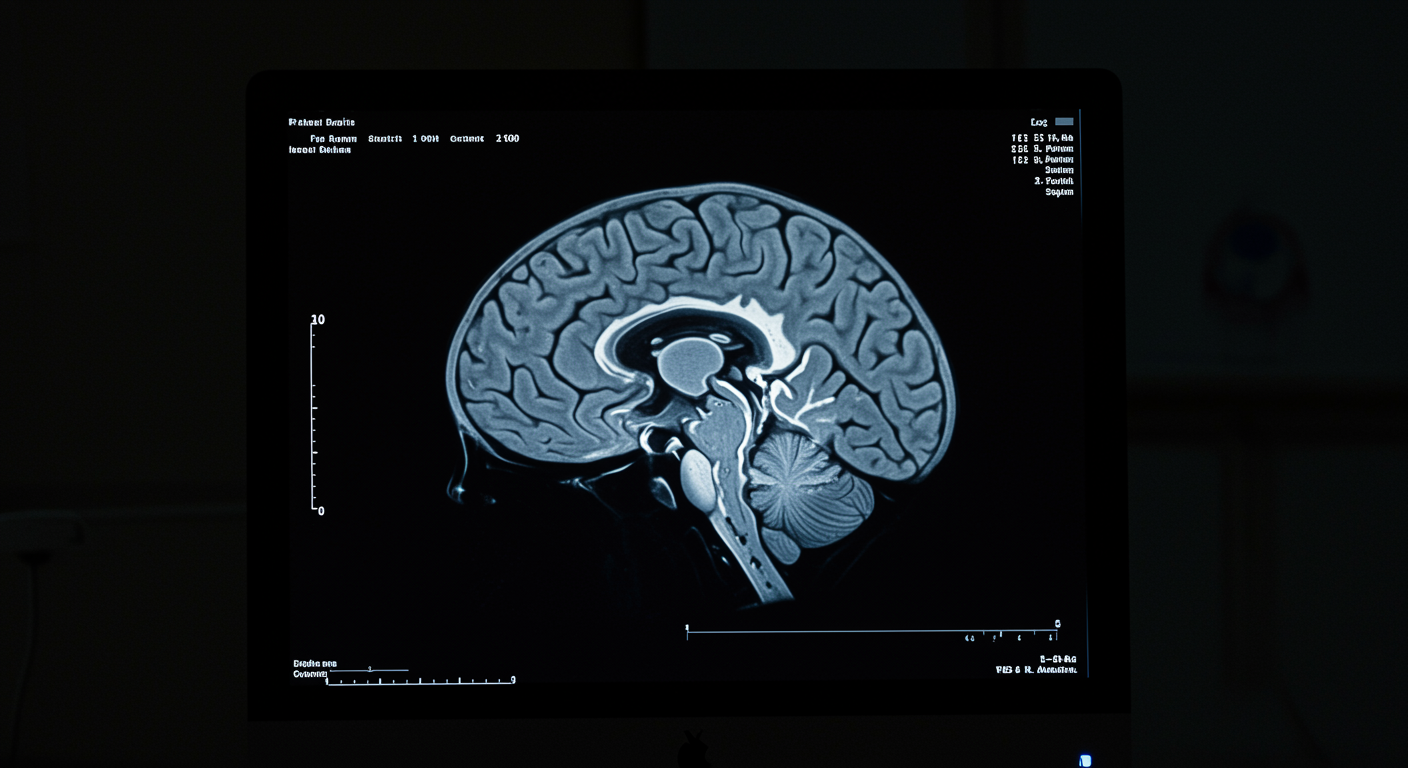
- Hippocampus damage - brain’s memory and mood center gets damaged
- Neuroinflammation - brain inflammation contributes to depression
- Cascade effect - stress creates multiple brain changes that maintain depression
A 2025 review published in the International Journal of Molecular Sciences examines how prolonged HPA axis activation creates a cascade of neurobiological changes that damage the hippocampus and contribute to both the development and maintenance of depression.