
Brain Networks

Brain Networks

Articles tagged with "Brain Networks".

Behavioral Activation Changes Brain Networks in Depression Treatment

Tags: Behavioral Activation, Depression Treatment, Brain Networks, Neuroplasticity

November 23, 2025

How does behavioral activation change the depressed brain?

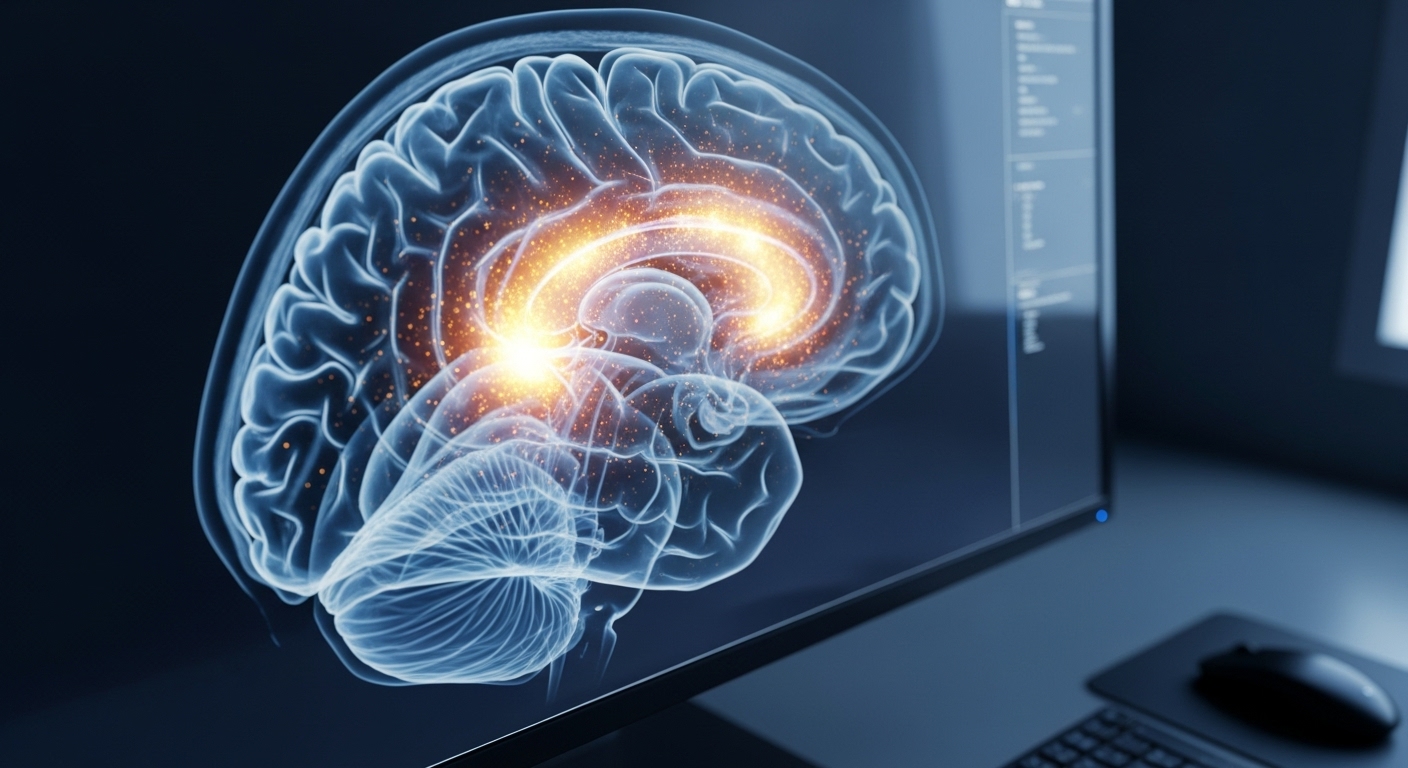
Behavioral activation therapy strengthens brain networks involved in reward processing and goal-directed behavior, producing measurable neuroplastic changes. Brain imaging shows concrete improvements. Key changes:

  • Strengthens reward circuits - improves brain networks for processing rewards
  • Goal-directed behavior - enhances circuits for motivation and planning
  • Neuroplastic changes - measurable brain network connectivity improvements
  • Dual-level treatment - works at both behavioral and biological levels

Behavioral activation therapy produces measurable changes in brain network connectivity, particularly strengthening circuits involved in reward processing and goal-directed behavior. These neuroplastic changes help explain why increasing pleasant and meaningful activities can effectively treat depression at both the behavioral and biological levels.
Read more

Brain Network Changes in Depression: Frontostriatal Salience Network Expansion

Tags: Depression Neuroscience, Brain Networks, Salience Network, Neuroimaging

November 23, 2025

How does depression change brain networks?

Depression expands the brain’s salience network in regions that control attention and emotions, fundamentally reorganizing brain connectivity. This explains why people with depression struggle with focus, decisions, and emotional control. Key changes:

  • Network expansion - salience network grows abnormally large
  • Attention problems - affects brain regions controlling focus
  • Emotional processing - disrupts areas managing emotions
  • Decision-making difficulties - impacts regions involved in choices

Depression significantly expands the brain’s salience network, particularly in frontostriatal regions that control attention and emotional processing. This network expansion represents a fundamental reorganization of brain connectivity that may explain why people with depression struggle with attention, decision-making, and emotional regulation.

Read more

Weakened Brain Network Connectivity in Adolescent Depression

Tags: Adolescent Depression, Brain Networks, Neuroimaging, Connectivity

November 23, 2025

How does depression affect teenage brain networks?

Depression significantly weakens brain network communication in teenagers, impairing attention switching and increasing rumination. Brain imaging shows reduced connectivity between key networks during rest.

Depression disrupts communication between the salience network and default mode network, explaining why depressed teenagers struggle with attention and get trapped in rumination patterns.

What the data show:

  • Network disruption: salience and default mode networks disconnect
  • Attention impact: impaired ability to switch between internal/external focus
  • Rumination: increased negative thought patterns
  • Cognitive effects: problems concentrating on tasks and schoolwork
  • Developmental vulnerability: adolescent brain networks particularly susceptible

Adolescent depression significantly weakens the communication between the brain’s salience network and default mode network during rest, explaining characteristic attention difficulties and rumination patterns.

Read more