
Brain Chemistry

Brain Chemistry

Articles tagged with "Brain Chemistry".

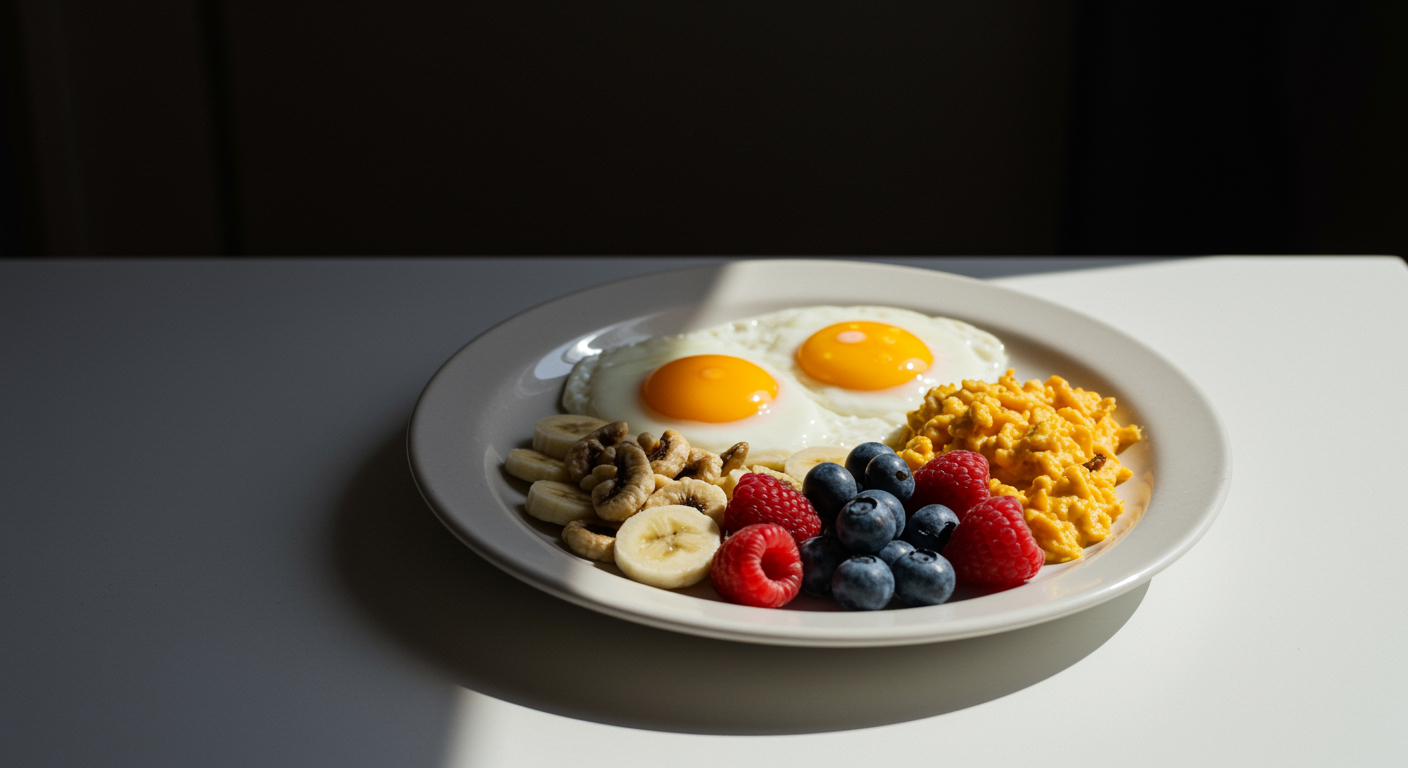
Carbs vs Protein: How Real Meals Affect Brain Tryptophan Levels

Tags: Tryptophan, Carbohydrates, Protein, Brain Chemistry

November 26, 2025

Do Carbohydrate-Rich Meals Really Boost Brain Tryptophan More Than Protein?

Yes, carbohydrate-rich meals increase the tryptophan-to-large neutral amino acid ratio by up to 54% compared to protein-rich meals, significantly enhancing tryptophan’s ability to cross the blood-brain barrier. This occurs because carbohydrates trigger insulin release, which preferentially drives competing amino acids into muscle tissue while leaving tryptophan with better access to brain transport, explaining why high-carb breakfasts can influence mood and cognitive function differently than high-protein meals.
Read more

How Tryptophan Becomes Serotonin: The Brain's Mood Chemistry Pathway

Tags: Tryptophan, Serotonin, Neurotransmitters, Brain Chemistry

November 26, 2025

How Does Tryptophan Transform Into Brain Serotonin?

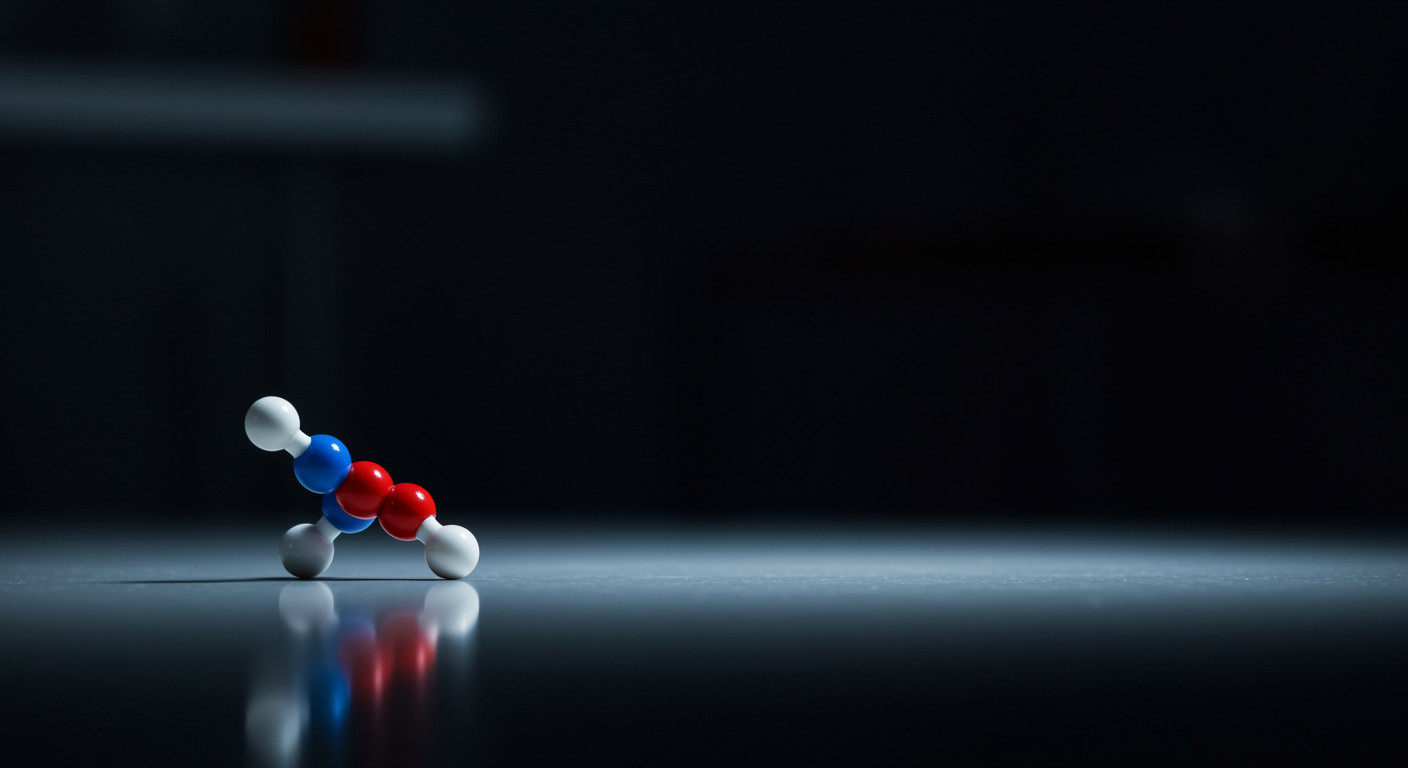
Tryptophan, an essential amino acid from your diet, undergoes a sophisticated two-step conversion process to become serotonin in your brain. This transformation requires specific enzymes and occurs primarily in specialized brain regions called the raphe nuclei, where it directly influences mood, stress response, and sleep patterns.

Dr. Kumar’s Take

The tryptophan-to-serotonin pathway is one of the most clinically relevant biochemical processes in neuroscience. What makes this particularly fascinating is that only neurons expressing the TPH2 enzyme variant can effectively respond to changes in tryptophan availability - meaning dietary tryptophan directly impacts your brain’s serotonin production. This explains why tryptophan depletion studies can rapidly alter mood within hours.

Read more

The Amino Acid Competition: How Protein Affects Brain Chemistry

Tags: Amino Acids, Brain Chemistry, Protein, Neurotransmitters

November 26, 2025

Why Does Eating More Protein Sometimes Make You Feel Worse?

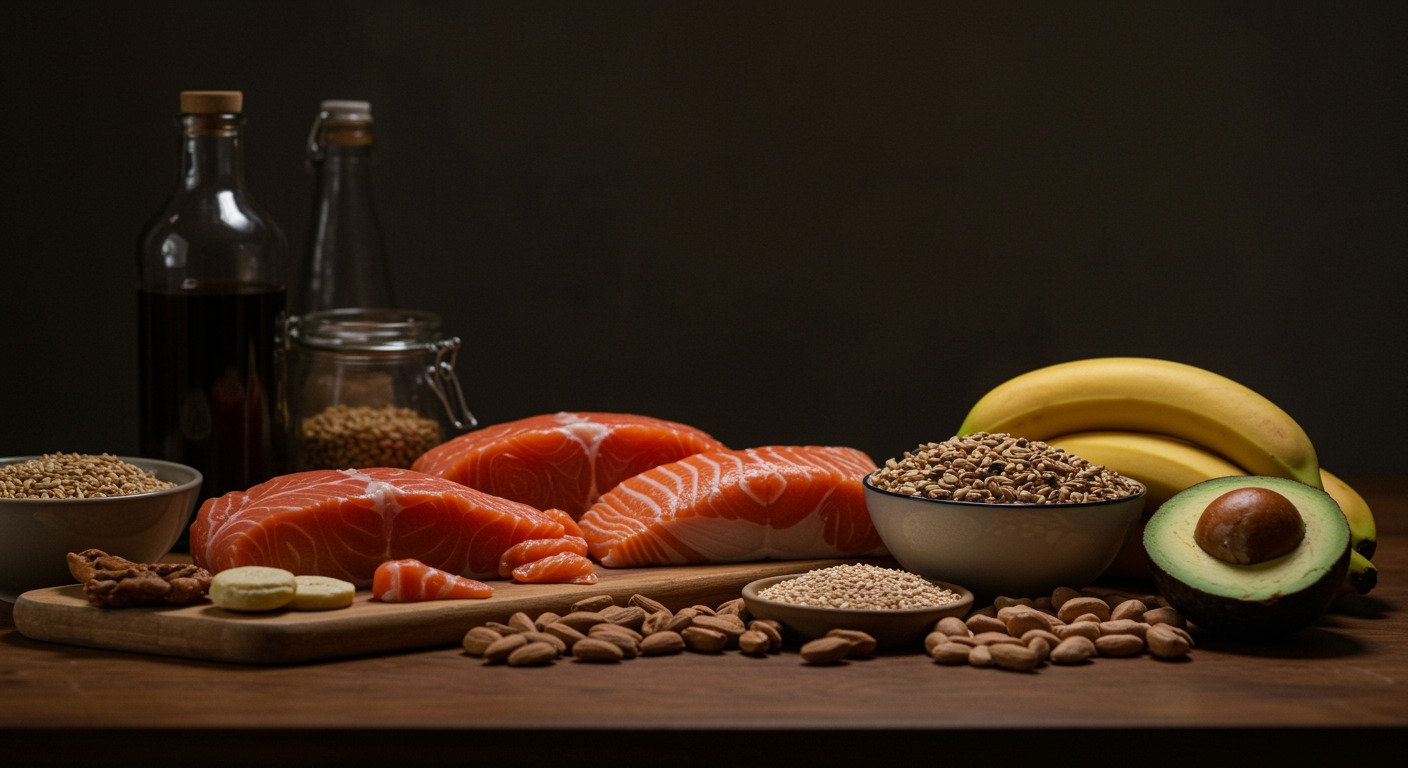
Large neutral amino acids compete for the same transporter to enter the brain, creating a biochemical competition where eating more protein can actually reduce the brain uptake of specific amino acids like tryptophan. This competition explains why high-protein meals don’t necessarily improve mood or cognitive function, and why the ratio of amino acids matters more than the absolute amount of any single amino acid consumed.

Read more