
How much of SSRI benefits for social anxiety are real vs. placebo?
SSRIs show approximately 85-90% improvement when patients know they’re taking medication, but only 60-70% when given covertly, suggesting expectancy effects account for about half of the treatment benefit. A series of neuroimaging studies with 72-46 social anxiety disorder patients published in Frontiers in Psychology found that while both SSRI and placebo responders show equal reductions in amygdala activity, SSRIs produce distinct neurochemical changes and 57% of SSRI patients respond vs. 30% of placebo patients.
SSRIs work by inhibiting serotonin reuptake, but clinical effects also depend on expectancy-related dopamine signaling and individual genetic variations in monoamine transporters.
What the data show:
- Expectancy effects: Overt SSRI treatment (patients know they’re taking medication) produced approximately 85-90% improvement vs. 60-70% for covert treatment, with 50% achieving clinically significant improvement vs. 14%
- Response rates: 57% of SSRI patients responded vs. 30% of placebo patients, though both responders showed equal amygdala reductions
- Combined treatment: SSRI plus CBT produced 37-point symptom reduction vs. 24 points for placebo plus CBT, with approximately 80-85% greater long-term improvement
- Serotonin transporter: 78-80% occupancy achieved, but no correlation with symptom improvement, suggesting reuptake inhibition alone is insufficient
- Study scope: Multiple studies with 72 patients (SSRI vs. placebo), 46 patients (expectancy manipulation), and 24 patients (SSRI + CBT vs. placebo + CBT)
A comprehensive analysis published in Frontiers in Psychology examined the SSRI vs. placebo debate in social anxiety disorder through multiple neuroimaging studies, revealing that treatment benefits involve complex interactions between pharmacological effects, expectancy-driven placebo responses, and individual neurochemical variations.
Dr. Kumar’s Take
This analysis tackles one of the most contentious debates in psychiatry - how much of antidepressant and anti-anxiety medication benefits are “real” versus placebo effects. For social anxiety disorder specifically, this question is particularly complex because social anxiety involves both psychological and physiological components that can be influenced by expectation and belief. The placebo effect in anxiety disorders can be quite substantial because anxiety is highly responsive to psychological factors like hope, expectation, and the therapeutic relationship. However, this doesn’t mean SSRIs don’t work - it means we need to understand the multiple mechanisms by which they provide benefit. The role of individual genetic variations in monoamine transporters is crucial because it explains why some people respond dramatically to SSRIs while others see little benefit. Understanding these factors helps us move beyond the simplistic “drug vs. placebo” debate toward personalized treatment approaches.
Study Snapshot
This comprehensive analysis examined the complex relationship between SSRI efficacy and placebo effects in social anxiety disorder treatment. The researchers evaluated multiple factors including expectancy effects (how patient beliefs influence outcomes), neural responsivity patterns (brain activity changes), and genetic variations in monoamine transporters (proteins that regulate neurotransmitter levels) to better understand the mechanisms underlying SSRI treatment responses in social anxiety.
Results in Real Numbers
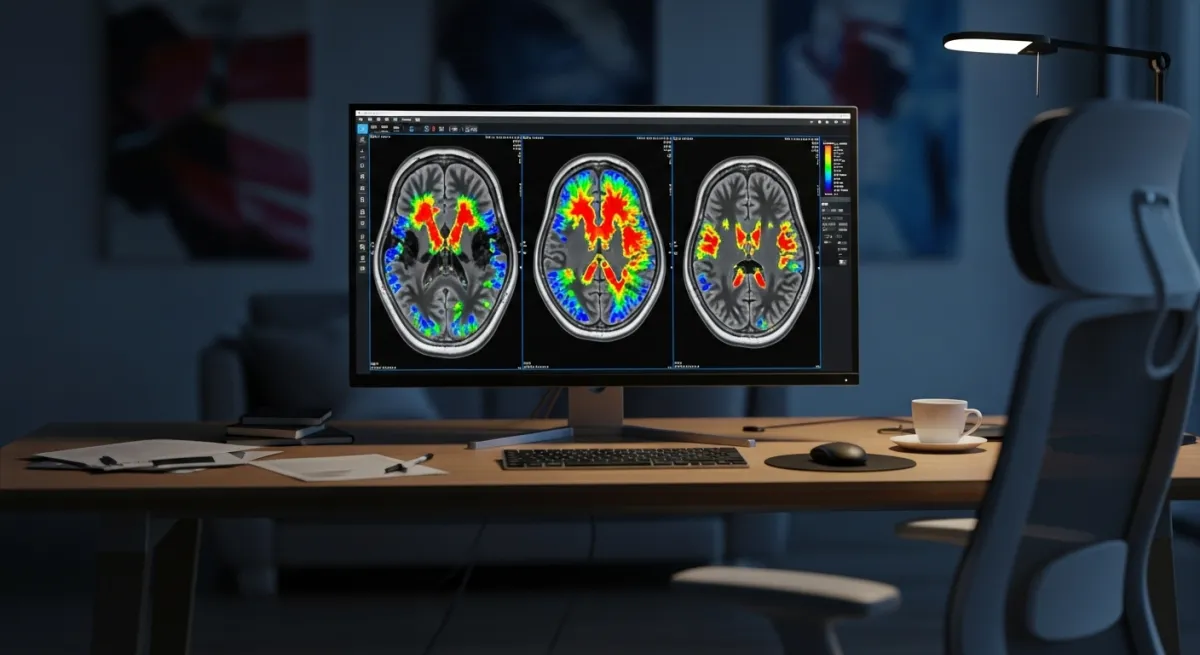
This analysis synthesized findings from multiple neuroimaging studies examining SSRI vs. placebo effects in social anxiety disorder. In the first study, 72 patients with social anxiety disorder were treated with either SSRIs or placebo, with 57% of SSRI patients achieving response compared to 30% of placebo patients. However, both SSRI and placebo responders showed equal reductions in amygdala activity during anxiety-provoking tasks, suggesting shared neural pathways for successful treatment. In a deception study examining expectancy effects, 46 patients (27 with PET scans) received escitalopram either overtly (knowing they were taking medication) or covertly (told they were receiving an “active placebo”). The overt group showed approximately 85-90% improvement (Cohen’s d = 2.24) compared to 60-70% improvement in the covert group (Cohen’s d = 1.13), with 50% achieving clinically significant improvement in the overt group vs. 14% in the covert group. This suggests expectancy effects account for approximately half of the symptom improvement observed with SSRI treatment. PET scans revealed that while both groups achieved similar serotonin transporter occupancy of approximately 78%, there was no correlation between transporter occupancy and symptom improvement, indicating that serotonin reuptake inhibition alone is insufficient to explain clinical efficacy. In a study combining SSRIs with cognitive-behavioral therapy, 24 patients received either escitalopram plus CBT or placebo plus CBT. The SSRI plus CBT group showed 37-point symptom reduction compared to 24 points for placebo plus CBT, with approximately 80-85% greater long-term improvement at 15-month follow-up (Cohen’s d = 1.58 vs. 0.87). The SSRI plus CBT group achieved over 80% serotonin transporter occupancy, and decreased dopamine transporter availability correlated with symptom improvement in this group, while the opposite pattern was observed in the placebo plus CBT group, suggesting distinct neurochemical mechanisms for pharmacological vs. psychological treatments.
Who Benefits Most
Individuals with social anxiety disorder who have genetic variants associated with enhanced serotonin transporter function may benefit most from SSRI treatment. People with positive expectations about medication treatment and strong therapeutic relationships may experience enhanced benefits through combined pharmacological and expectancy effects.
Those with specific neural responsivity patterns, particularly heightened activity in fear-processing brain regions, may be more likely to respond to SSRI treatment. Patients willing to engage in comprehensive treatment approaches that address both biological and psychological factors may achieve optimal outcomes.
Safety, Limits, and Caveats
The analysis noted that while expectancy effects contribute to SSRI benefits, this doesn’t diminish the value of treatment - placebo effects are real therapeutic effects. However, individual responses to SSRIs can vary dramatically based on genetic factors, making personalized approaches important.
The research emphasized that social anxiety treatment often requires comprehensive approaches beyond medication alone, including psychotherapy and lifestyle modifications. Some individuals may not respond to SSRIs due to genetic factors or may experience side effects that outweigh benefits.
Practical Takeaways
- Understand that SSRI benefits for social anxiety involve both pharmacological effects and expectancy effects, both of which are legitimate therapeutic mechanisms
- Consider genetic testing for monoamine transporter variants if available, as this may help predict SSRI response likelihood
- Maintain realistic but positive expectations about treatment, as expectancy effects can enhance overall outcomes
- Work with healthcare providers who understand the complexity of SSRI treatment and can provide comprehensive care
- Consider combination approaches that address both biological and psychological aspects of social anxiety
What This Means for Social Anxiety Treatment
This analysis supports a nuanced understanding of SSRI treatment for social anxiety that moves beyond simple drug vs. placebo comparisons toward personalized, comprehensive approaches. The findings encourage the integration of pharmacological, psychological, and genetic factors in treatment planning.
The research also highlights the importance of therapeutic relationships and patient education in optimizing treatment outcomes for social anxiety disorder.
Related Studies and Research
Episode 31: Depression Explained — The Biology Behind the Darkness
Episode 32: Depression Recovery Roadmap: A Step-by-Step, Evidence-Based Plan
FAQs
Are SSRI benefits for social anxiety just placebo effects?
No, while placebo effects contribute significantly, SSRIs produce measurable neurobiological changes distinct from placebo responses, particularly in brain circuits involved in social anxiety.
Why do some people respond to SSRIs while others don’t?
Genetic variations in monoamine transporters, particularly the serotonin transporter, significantly influence individual responses to SSRI treatment, explaining the wide variability in outcomes.
Do positive expectations about medication improve outcomes?
Yes, expectancy effects play a substantial role in treatment outcomes, with patients having positive expectations showing better responses to SSRI treatment.
Bottom Line
SSRI efficacy for social anxiety disorder involves complex interactions between pharmacological effects, expectancy effects, and genetic factors, supporting personalized treatment approaches that consider multiple mechanisms rather than simple drug vs. placebo comparisons.