
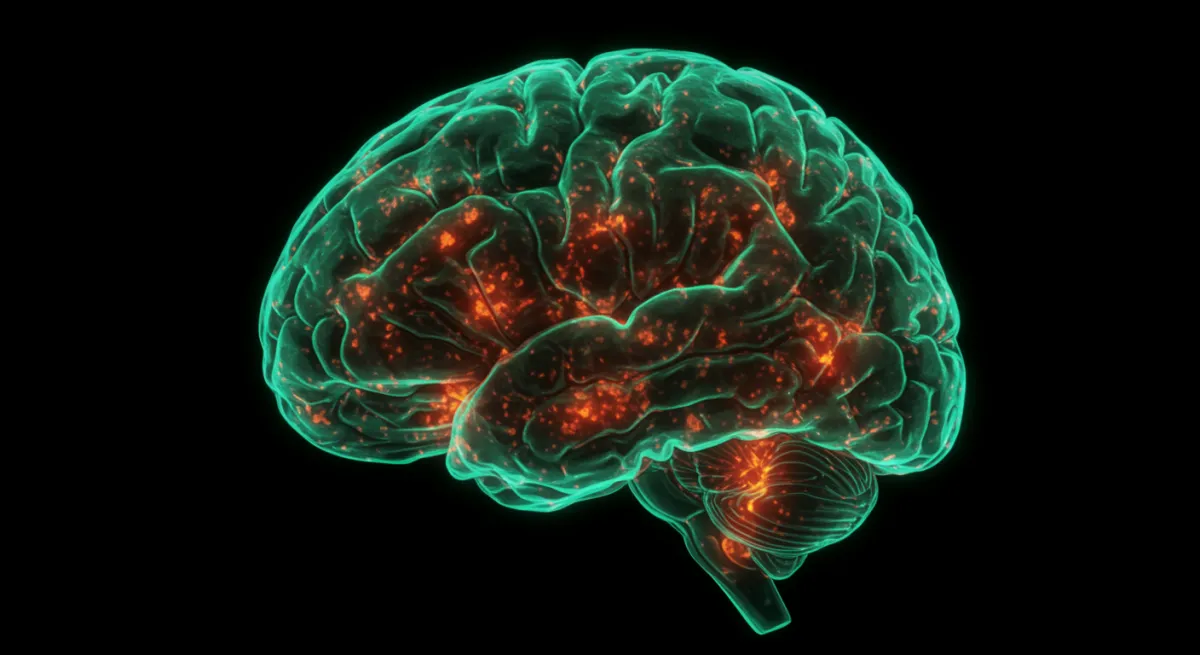
Is depression an inflammatory disease?
Yes. Inflammation plays a key role in depression pathophysiology, especially for approximately one-third of patients who don’t respond to traditional antidepressants, with inflammatory processes contributing to altered neurotransmitter metabolism, disrupted neuroplasticity, and treatment resistance. A comprehensive 2024 review published in Pharmacological Research reveals that inflammation is not just a consequence of depression but actively drives depressive symptoms through multiple neurobiological pathways, offering new treatment approaches beyond conventional monoamine-targeting antidepressants.
What the data show:
- Treatment-resistant depression: Approximately one-third of patients don’t respond to traditional antidepressants, and inflammation may explain this treatment resistance
- Inflammatory markers: Consistently elevated inflammatory markers (IL-1β, TNF-α, IL-6) in many patients with depression, correlating with symptom severity
- Neurobiological pathways: Inflammation disrupts neurotransmitter synthesis (particularly serotonin through kynurenine pathway), reduces BDNF levels impairing neuroplasticity, and activates HPA axis leading to sustained cortisol elevation
- Multiple triggers: Stress, infection, autoimmune conditions, and metabolic dysfunction can initiate and maintain depressive episodes through sustained neuroinflammation
- Brain changes: Inflammatory mediators create pathophysiological changes affecting multiple brain regions and systems, creating dysfunction that monoamine-focused treatments may not adequately address
- Anti-inflammatory treatments: Multiple anti-inflammatory strategies show promise, including omega-3 fatty acids, curcumin, and other evidence-based interventions
- Mechanism: Pro-inflammatory cytokines cross the blood-brain barrier and activate microglia (brain’s immune cells), creating neuroinflammation that disrupts normal brain function - this interferes with neurotransmitter synthesis, reduces neuroplasticity through BDNF suppression, activates the HPA axis causing sustained cortisol elevation, and creates a self-reinforcing cycle where inflammation causes depression and depression-related stress maintains inflammation
Dr. Kumar’s Take
This review fundamentally challenges how we think about depression. While we’ve focused on serotonin and dopamine for decades, inflammation may be the missing piece that explains why so many patients don’t respond to traditional antidepressants. The concept of “inflamed depression” isn’t just academic - it opens the door to anti-inflammatory treatments that could help the millions of people with treatment-resistant depression who’ve been failed by current approaches.
What the Research Shows
The review demonstrates that depression involves significant inflammatory processes that go beyond simple neurotransmitter imbalances. The authors detail how inflammatory mediators create pathophysiological changes in the brain that directly contribute to depressive symptoms, including altered neurotransmitter metabolism, disrupted neuroplasticity, and changes in brain structure and function.
Research shows that inflammatory markers are consistently elevated in many patients with depression, and these inflammatory changes correlate with symptom severity and treatment resistance. The inflammation affects multiple brain regions and systems, creating a complex web of dysfunction that traditional monoamine-focused treatments may not adequately address.
The review also examines how various inflammatory triggers - including stress, infection, autoimmune conditions, and metabolic dysfunction - can initiate and maintain depressive episodes through sustained neuroinflammation.
How This Works (Biological Rationale)
Inflammation contributes to depression through several interconnected mechanisms. Pro-inflammatory cytokines like IL-1β, TNF-α, and IL-6 cross the blood-brain barrier and activate microglia, the brain’s immune cells, creating a state of neuroinflammation that disrupts normal brain function.
This neuroinflammation interferes with neurotransmitter synthesis and metabolism, particularly affecting serotonin production through the kynurenine pathway. Inflammatory processes also reduce BDNF (brain-derived neurotrophic factor) levels, impairing neuroplasticity and the brain’s ability to adapt and heal.
Additionally, inflammation activates the HPA (hypothalamic-pituitary-adrenal) axis, leading to sustained cortisol elevation that further damages brain tissue and perpetuates the inflammatory cycle. This creates a self-reinforcing loop where inflammation causes depression, and depression-related stress maintains inflammation.
Practical Takeaways
- Consider inflammatory markers testing if you have treatment-resistant depression, as this may guide more targeted treatment approaches
- Discuss anti-inflammatory interventions with your healthcare provider, including omega-3 fatty acids, curcumin, or other evidence-based supplements
- Address underlying inflammatory conditions like autoimmune diseases, chronic infections, or metabolic syndrome that may be contributing to depression
- Adopt anti-inflammatory lifestyle practices including regular exercise, stress management, adequate sleep, and an anti-inflammatory diet
- Understand that if inflammation is driving your depression, traditional antidepressants alone may not be sufficient for full recovery
What This Means for Depression Treatment
This research supports a paradigm shift toward personalized depression treatment based on individual pathophysiology. Patients with “inflamed depression” may benefit more from anti-inflammatory approaches than from increasing antidepressant doses or trying multiple monoamine-targeting medications.
The findings also suggest that combination approaches targeting both neurotransmitter systems and inflammatory pathways may be more effective than either approach alone, particularly for treatment-resistant cases.
Related Studies and Research
Episode 31: Depression Explained — The Biology Behind the Darkness
Episode 32: Depression Recovery Roadmap: A Step-by-Step, Evidence-Based Plan
FAQs
How can I tell if my depression involves inflammation?
While specific testing isn’t routine, markers like elevated CRP, IL-6, or TNF-α may indicate inflammatory involvement. Treatment resistance to multiple antidepressants and comorbid inflammatory conditions are also clues.
Are anti-inflammatory medications safe for depression treatment?
Some anti-inflammatory approaches like omega-3 fatty acids and curcumin have good safety profiles, while others require careful medical supervision. Always discuss with your healthcare provider before starting any anti-inflammatory treatment.
Can lifestyle changes reduce depression-related inflammation?
Yes, regular exercise, stress management, adequate sleep, and anti-inflammatory diets can significantly reduce systemic inflammation and may improve depression symptoms, especially in inflammatory subtypes.
Bottom Line
Depression involves significant inflammatory processes that may explain why traditional antidepressants fail for many patients. Understanding “inflamed depression” opens new treatment possibilities using anti-inflammatory approaches that could help the millions with treatment-resistant depression find relief through addressing the root inflammatory causes.