
Neurologic News
New Migraine Guideline Urges Prevention at 4 Headache Days
The first full update since 2012 gives its strongest marks to CGRP drugs and Botox, but keeps decades-old propranolol and topiramate on the same list.
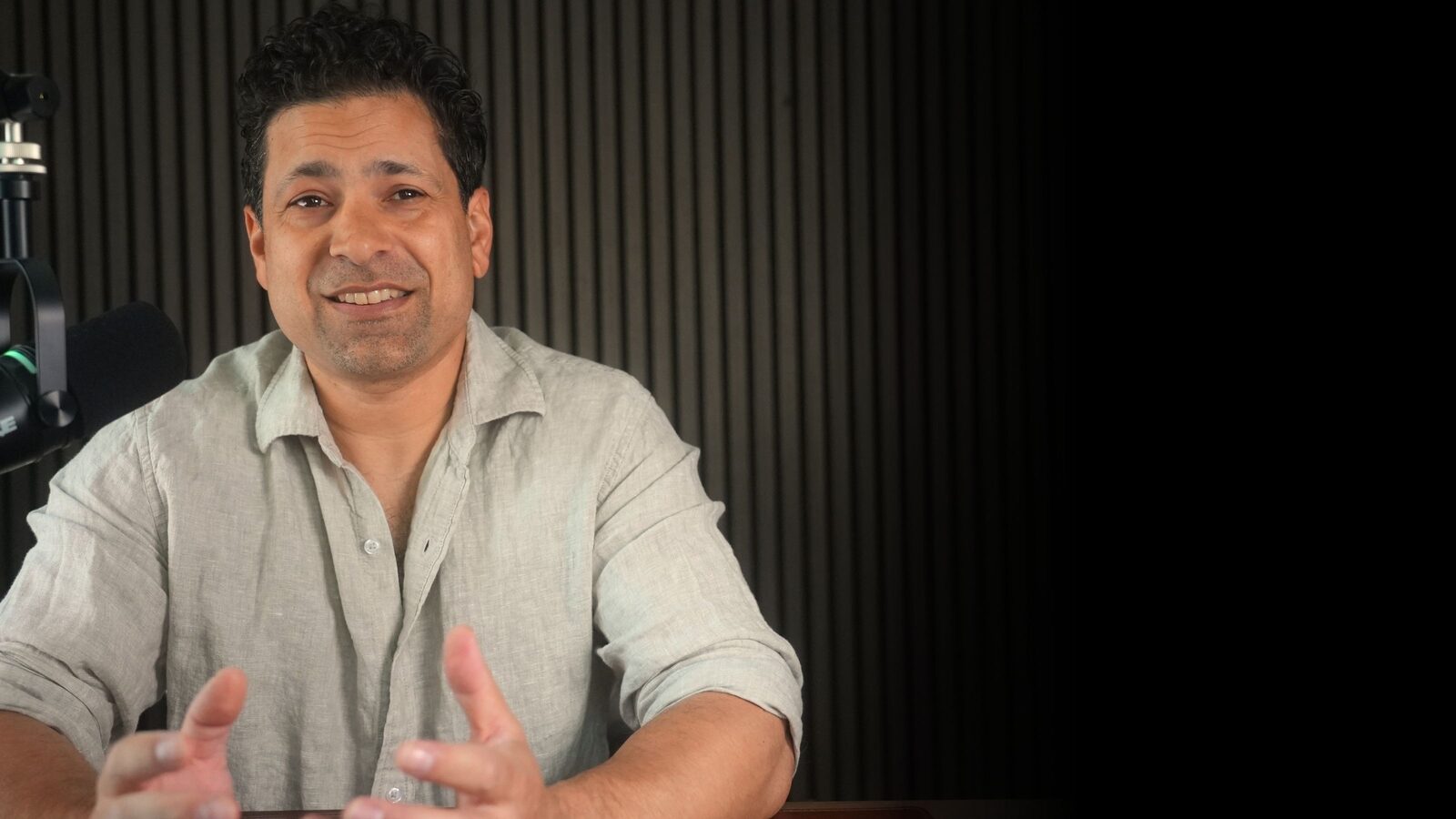
Dr. Ravi Kumar is a board-certified neurosurgeon who left the operating room to explore the questions that matter most about your health.
Listen to the PodcastEvery week, I cut through the noise of health headlines and marketing claims to bring you what the research actually says. No dogma, no agenda, just an honest look at the science that shapes how you live, heal, and thrive.
The first full update since 2012 gives its strongest marks to CGRP drugs and Botox, but keeps decades-old propranolol and topiramate on the same list.

The ASPIRED trial of 2,234 adults at 45 UK hospitals failed to cut repeat fainting episodes, but it more than doubled arrhythmia detection and cut the wait for a diagnosis from 55 days to 22.

In a new sham-controlled trial, catheter ablation for atrial fibrillation beat a fake version of the procedure on rhythm control but not on how patients said they felt six months later.

A Danish study of 132,585 adults newly diagnosed with type 2 diabetes found that those who started a statin within the first year had a 15% lower relative risk of dementia over 10 years than those who never started one.

A 2,280-patient trial presented at ESC Congress 2026 found that giving a strong blood thinner without aspirin after a major heart attack cut serious bleeding by about a third but left more patients dead, reinfarcted or stroked at one year.

The European Society of Cardiology's 2026 heart failure guidelines, published August 28, recommend semaglutide or tirzepatide for patients with preserved ejection fraction and obesity, and erase the middle ejection fraction category that has shaped treatment decisions for years.
What if some of the most severe mental illness is, in part, a brain energy problem? Dr. Ravi Kumar sits down with Dr. Matt Bernstein, a traditionally trained psychiatrist who now runs Accord, an immersive metabolic psychiatry program outside Boston, to unpack why brain regions like the hypothalamus, hippocampus, and amygdala can starve for fuel while glucose is plentiful everywhere else, and why ketones bypass that insulin gate entirely. They walk through the Stanford pilot in which every fully adherent patient with schizophrenia or bipolar disorder reached remission, a French inpatient series with effect sizes far beyond what antidepressants typically produce, and the clear limits of both, since neither had a control group. They also cover ketogenic ratios, why Bernstein keeps protein high, the three month commitment it takes to know if it is working, and why none of it works without sleep, sunlight, movement, and medical supervision.
View full episode →
Dr. Ravi Kumar is a board-certified neurosurgeon and assistant professor of neurosurgery at the University of North Carolina. After years in the operating room, a transformative sabbatical in India changed how he saw medicine forever.
Now, through The Dr. Kumar Discovery, he explores the intersection of modern science, traditional wisdom, and the questions most doctors never think to ask.
Read the full story★★★★★"So glad I found this podcast. Dr. Kumar doesn't want you to just mask symptoms, he wants you to understand root causes and help you truly heal. He is the best of both worlds - he shares a wealth of modern medical knowledge, but also empowers the listeners to take personal responsibility for their health."
cngggggggggg
★★★★★"I love this podcast! It's smart and covers the science in very accessible ways. After each episode I feel empowered to make some changes in my life. Thanks, Dr. Kumar!"
Dr Kumar Review
★★★★★"Dr Kumar's podcasts have been such a great find! As an OR nurse I have worked with neurosurgeons for years. I found the podcasts to be informative, easy to follow and just the right length."
NRRN66
Reviews from Apple Podcasts