
Can diet changes treat depression?
Yes. Healthy dietary patterns like the Mediterranean and DASH diets can actively treat depression and reduce symptoms through multiple biological mechanisms. A comprehensive literature review provides evidence-based recommendations showing greater adherence to healthy dietary patterns is associated with reduced depression symptoms.
What the data show:
- Prevention: 33% risk reduction in depression development for highest vs lowest Mediterranean diet adherence (4 longitudinal studies, 10-year follow-up)
- Treatment remission: 32% remission rate with Mediterranean diet vs 8% with social support (SMILES trial, n=56) - a 4-fold improvement
- Meta-analysis: 12 studies with 150,000+ individuals show healthy diet reduces depression risk; 16 trials with 46,000 individuals show small but significant effect on depressive symptoms
- Japanese diet: 56% risk reduction for depressive symptoms with highest vs lowest adherence (n=521)
- Inflammation link: Pro-inflammatory diet associated with 1.4 times higher odds of depression (11 studies, n>100,000)
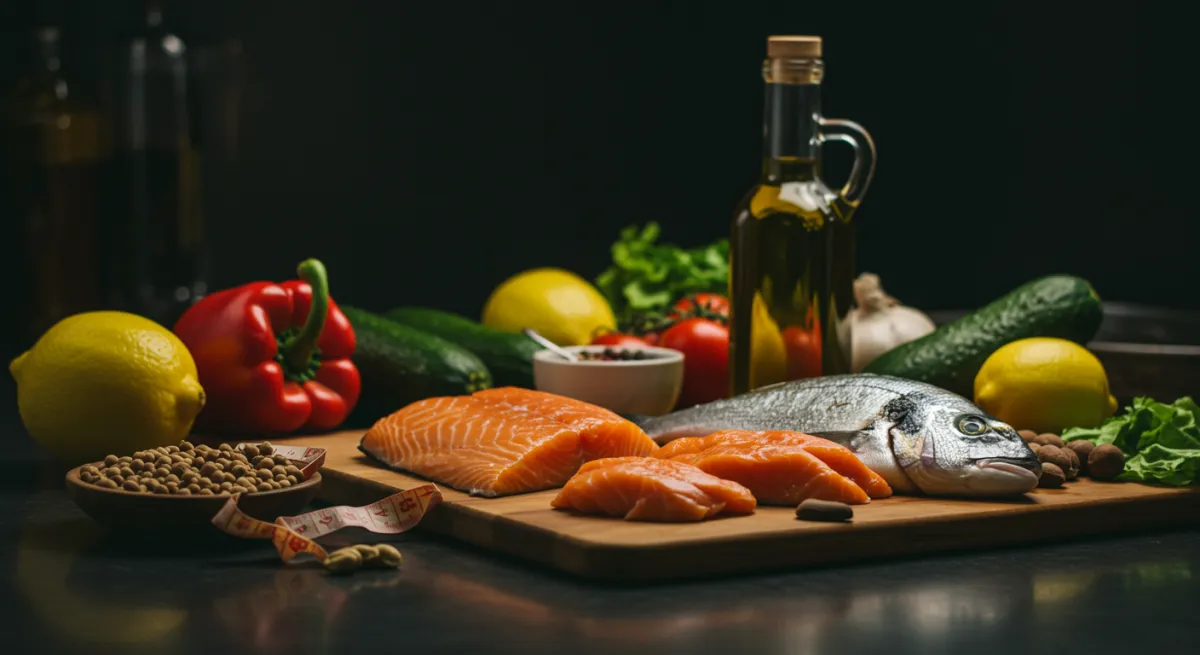
- Mediterranean diet: Strongest evidence for depression prevention and treatment, emphasizing whole foods, healthy fats, and anti-inflammatory nutrients
- DASH diet: Evidence-based dietary pattern consistently associated with improved mood outcomes
- Focus areas: Whole foods, healthy fats, fruits, vegetables, and lean proteins while reducing processed foods and added sugars
- Mechanism: Dietary interventions work by modulating the gut microbiome to improve gut-brain axis communication, reducing inflammatory processes that contribute to depression, decreasing oxidative stress that damages brain cells, and providing nutrients that support neurotransmitter synthesis and brain function - these multiple pathways work together to improve mood and reduce depressive symptoms
A comprehensive literature review presents compelling evidence for the role of diet in the prevention and treatment of depression, examining potential underlying mechanisms and providing practical recommendations for mental health clinicians. The research shows that greater adherence to healthy dietary patterns are associated with reduced depression symptoms and can actively treat depression through multiple biological mechanisms.
Dr. Kumar’s Take
This review represents a major shift in how we think about depression treatment - food is medicine, and we now have solid evidence to back that up. The fact that dietary interventions can both prevent and treat depression through mechanisms like gut microbiome modulation, inflammation reduction, and oxidative stress management is revolutionary. What I find particularly compelling is that we’re not talking about restrictive diets or supplements, but rather traditional, sustainable eating patterns like the Mediterranean diet that people have followed for centuries. This gives patients a practical, accessible tool they can use alongside other treatments, and it addresses the whole person rather than just brain chemistry.
Study Snapshot
This literature review conducted comprehensive searches of PubMed using terms including ‘depression’, ‘diet’, ‘prevention’, ’treatment’, and ‘mechanisms’, with additional articles identified through hand searching. The review examined evidence for dietary patterns in depression prevention and treatment, analyzed potential biological mechanisms, and synthesized findings to provide evidence-based practice recommendations for mental health clinicians.
Results in Real Numbers
Mediterranean diet prevention: The pooled effect of four longitudinal studies with a mean follow-up period of approximately 10 years found a 33% risk reduction in the development of depression for the highest compared to the lowest adherence categories.
SMILES trial (treatment): A 12-week randomized controlled trial (n = 56 adults) found a dietitian-delivered, modified Mediterranean diet intervention was superior to a social support group, with remission achieved in 32% of the Mediterranean diet group compared to 8% in the social support group - a 4-fold improvement.
HELFIMED trial: A 6-month trial (n = 152 adults) incorporating nutrition education and fish oil supplementation demonstrated similar findings, with improvements in Mediterranean diet adherence scores aligning with reductions in depressive symptoms.
Meta-analysis evidence: A 2021 synthesis of prospective observational research including 12 studies and over 150,000 individuals found adherence to a healthy diet was associated with a reduced risk of depression. A review of 16 trials including nearly 46,000 individuals evaluated the effect of increasing diet healthiness on depressive symptoms, showing a small but significant effect.
Japanese diet study: A cross-sectional study of Japanese men and women (n = 521) found a 56% risk reduction for depressive symptoms in those with the highest adherence to traditional Japanese diet compared with the lowest adherence.
Inflammation markers: An analysis of 68,879 people from the UK Biobank found Dietary Inflammatory Index (DII) scores were significantly higher for people with major depression compared to people without serious mental illness. Evidence from 11 observational studies (n > 100,000) reports a pro-inflammatory diet is associated with 1.4 times higher odds of having/developing depression.
The research identified multiple mechanisms by which dietary interventions influence mood, including modulation of the gut microbiome, reduction of inflammatory processes, decreased oxidative stress, and other biological pathways that directly impact brain function and mental health.
Who Benefits Most
Individuals with depression who are interested in lifestyle-based approaches may benefit most from dietary interventions, particularly those following Mediterranean or DASH dietary patterns. People with treatment-resistant depression may find dietary changes valuable as adjunctive treatments alongside conventional therapies.
Patients with inflammatory conditions, metabolic disorders, or gut health issues may experience particular benefits from dietary interventions, given the interconnected mechanisms involving inflammation, oxidative stress, and the gut-brain axis. Individuals seeking preventive approaches for depression may also benefit from adopting evidence-based dietary patterns.
Safety, Limits, and Caveats
While dietary interventions show promise for depression, they should complement rather than replace established treatments for severe depression. The review noted inherent challenges in studying diet, including difficulties with blinding, adherence measurement, and controlling for confounding variables.
Individual responses to dietary changes vary, and some people may need additional support to implement and maintain dietary modifications. The research limitations include variability in study designs, dietary assessment methods, and follow-up periods across studies.
Practical Takeaways
- Consider adopting Mediterranean or DASH dietary patterns as evidence-based approaches for depression prevention and treatment
- Focus on whole foods, healthy fats, fruits, vegetables, and lean proteins while reducing processed foods and added sugars
- Understand that dietary changes work through multiple mechanisms including gut health, inflammation reduction, and oxidative stress management
- Discuss dietary interventions with healthcare providers as part of a comprehensive treatment plan for depression
- Be patient with dietary changes, as benefits may take time to manifest and require consistent adherence
What This Means for Depression Treatment
This review establishes dietary interventions as evidence-based tools for depression prevention and treatment, supporting the integration of nutritional approaches into mental health care. The findings validate the emerging field of nutritional psychiatry and provide practical guidance for clinicians and patients.
The research also highlights the importance of addressing multiple biological systems in depression treatment, including the gut-brain axis, inflammatory pathways, and oxidative stress mechanisms through dietary modifications.
Related Studies and Research
Episode 31: Depression Explained — The Biology Behind the Darkness
Episode 32: Depression Recovery Roadmap: A Step-by-Step, Evidence-Based Plan
FAQs
Which dietary patterns are most effective for depression?
The review highlights Mediterranean and DASH diets as having the strongest evidence for depression prevention and treatment, emphasizing whole foods, healthy fats, and anti-inflammatory nutrients.
How do dietary changes affect depression?
Diet influences depression through multiple mechanisms including gut microbiome modulation, inflammation reduction, oxidative stress management, and direct effects on brain neurotransmitter systems.
Can diet changes replace antidepressants?
While dietary interventions show therapeutic effects, they should complement rather than replace established treatments for depression, particularly in severe cases. Discuss with healthcare providers before making treatment changes.
Bottom Line
Evidence-based dietary interventions, particularly Mediterranean and DASH dietary patterns, can prevent and treat depression through multiple biological mechanisms including gut microbiome modulation, inflammation reduction, and oxidative stress management. This supports integrating nutritional approaches into comprehensive depression treatment plans.