Hi everyone,
This was a packed week. Seven studies crossed my desk, and I kept circling back to a theme: the things happening inside our bodies that we never think about. Red blood cells quietly soaking up glucose. Coffee protecting your brain for decades. Tiny lifestyle tweaks adding up to nine extra years. And a simple fermented drink outperforming supplements most of us already take. Plus, I want to spotlight a nutrient that ties into several of these findings: vitamin K2.
This Week’s Podcast Spotlight
Episode 7: Why You Should Be Taking Vitamin K2
I recorded this episode because vitamin K2 is one of those nutrients that almost nobody talks about, yet it plays a critical role in where calcium ends up in your body. It activates proteins that direct calcium into your bones and away from your arteries. That distinction matters more than most people realize.
In the episode, I trace the fascinating history of K2, from a dentist named Weston A. Price who traveled the world in the 1930s studying traditional diets, all the way to modern clinical trials. I break down the difference between K1 (which you get from leafy greens) and K2 (which comes from fermented foods like natto and aged cheeses), and why your body needs both for different reasons.
Three practical takeaways from this episode:
- If you supplement with vitamin D, you should strongly consider pairing it with vitamin K2 (specifically MK-7). They work together to manage calcium properly.
- Common medications like warfarin and statins can impair your body’s K2 pathways, which may contribute to bone loss and arterial calcification over time. Worth discussing with your doctor.
- The best food source of K2 is natto, a Japanese fermented soybean. If that is not your thing, aged cheeses like Gouda and Brie are decent alternatives. For supplementation, look for MK-7 at 180 to 375 micrograms per day, taken with a meal that includes fat.
This Week in Health Science
Here is what stood out from the research this week. Every one of these studies has something you can actually use.
Red Blood Cells May Be the Key to a New Diabetes Treatment

Researchers at Gladstone Institutes discovered that red blood cells act as “glucose sponges” when oxygen levels drop, finally explaining why people living at higher altitudes have lower diabetes rates. They developed a drug called HypoxyStat that mimics this altitude effect in pill form, and it completely reversed high blood sugar in diabetic mice, outperforming existing treatments.
This is still early stage, and human trials have not started. But the concept of targeting red blood cells to control blood sugar is completely new. No current diabetes medication works this way, which makes it one of the more creative approaches I have seen in a while.
Key finding: A single pill that mimics the altitude effect reversed diabetes in mice and outperformed existing drugs.
Ultramarathon Running Damages Red Blood Cells Through Inflammation

A study of 23 trail runners found that ultramarathon races caused significant damage to red blood cells through inflammation and oxidative stress. The cells became stiffer, showed signs of accelerated aging, and had disrupted energy metabolism at the protein and lipid level.
This does not mean running is bad for you. Moderate exercise remains one of the best things you can do. But it adds nuance to the conversation about extreme endurance events. If you train for ultras, recovery and nutrition matter even more than you might think. Your blood cells are taking a beating right alongside your legs.
Key finding: Red blood cells showed measurable molecular aging after ultramarathon races of 40 km and 171 km.
5 Extra Minutes of Sleep, 2 Minutes of Walking, Half a Serving of Vegetables: One Extra Year of Life
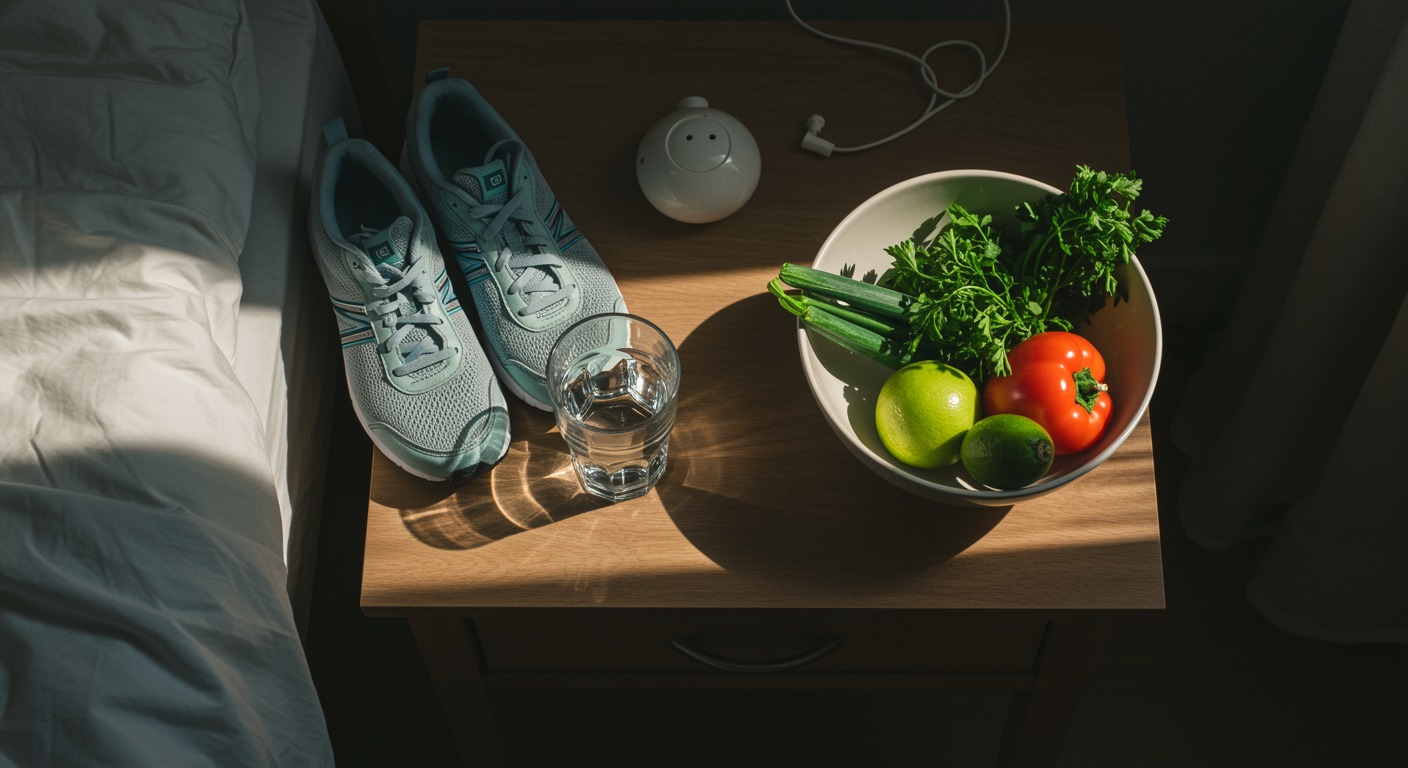
A UK Biobank study of 59,078 adults found that absurdly small improvements in sleep, exercise, and diet, done together, were linked to meaningful gains in lifespan. Just 5 extra minutes of sleep, 2 minutes more brisk walking, and half an extra serving of vegetables per day added up to one additional year of life. When all three were optimized, the gain was over 9 years.
What I found most interesting was that diet alone showed no measurable effect on mortality. It was the combination of all three behaviors that produced the real gains. This is something I always tell my kids: it is never just one thing, it is the whole picture.
Key finding: Optimizing sleep, exercise, and diet together was associated with 9.35 extra years of lifespan compared to the poorest habits.
Sugary Drinks Linked to 34% Higher Anxiety Risk in Teens
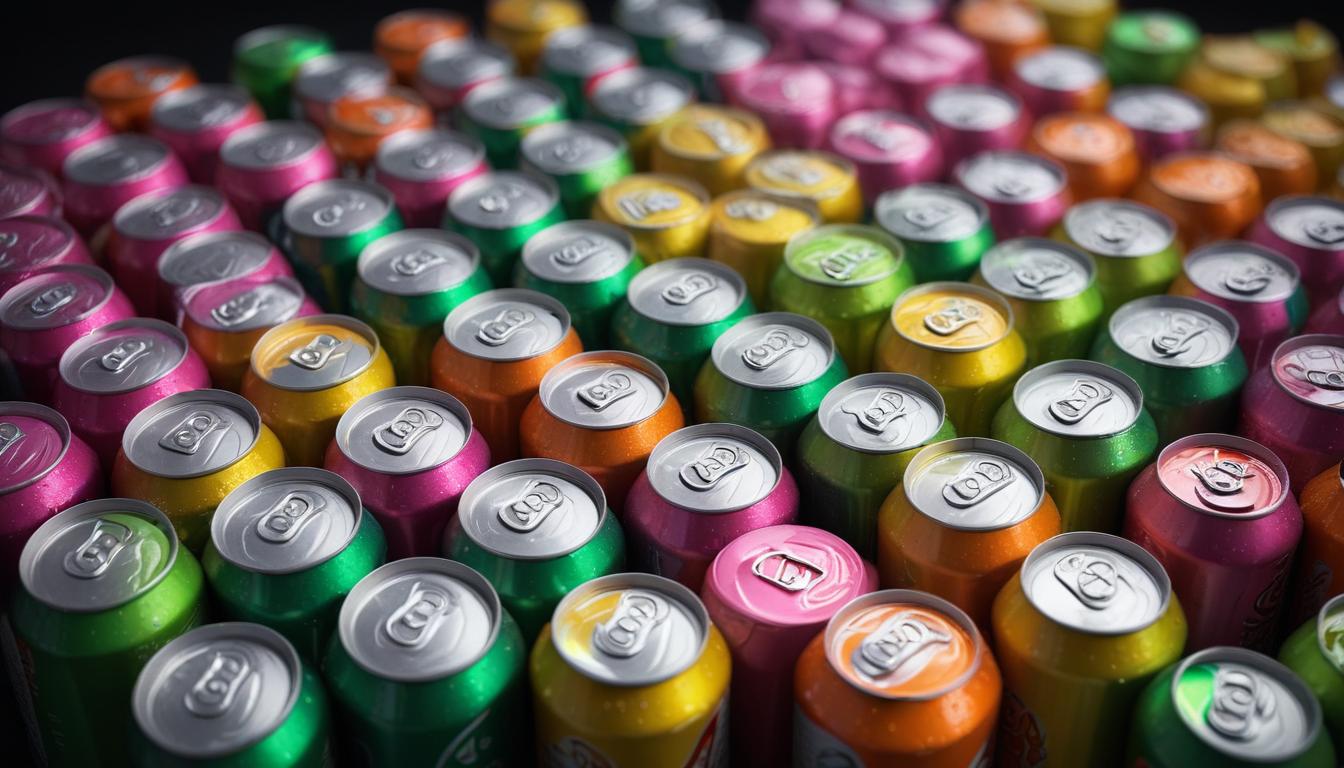
A meta-analysis of nine studies found that teenagers who drink high amounts of sugar-sweetened beverages have a 34% increased risk of anxiety disorders. Seven of the nine studies pointed in the same direction, making this a remarkably consistent signal.
As a parent, this one caught my attention. Teen anxiety is rising fast, and while sugary drinks are not the whole story, the consistency of the evidence here is hard to ignore. The practical upside is clear: swapping soda for water is a low-risk, low-cost step that could make a real difference for a teenager who is already struggling.
Key finding: 7 out of 9 studies found a consistent link between sugary drink consumption and anxiety in adolescents.
Kefir Plus Fiber Beat Omega-3 for Inflammation
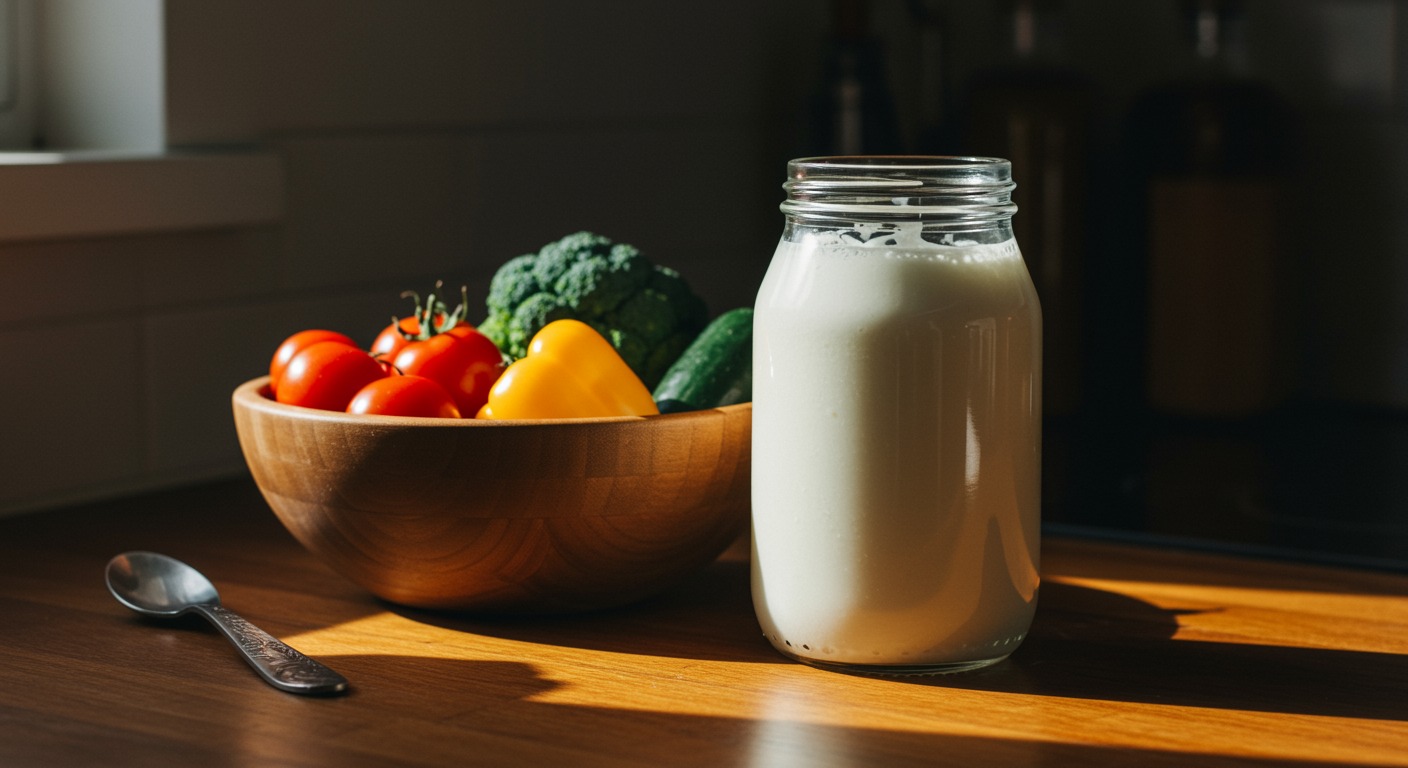
A six-week randomized trial found that combining fermented kefir with prebiotic fiber reduced more inflammation markers than omega-3 supplements or fiber alone. The synbiotic group showed significant drops in IL-6 and IFN-gamma, two proteins closely tied to chronic disease.
This one is personal for me. We have a kefir culture in our fridge that we periodically bring back to life and give to our kids. The idea that pairing it with prebiotic-rich foods like onions, garlic, and bananas could outperform the omega-3 capsules sitting in most medicine cabinets is really compelling. The gut microbiome connection here is key: when bacteria break down the fiber, they produce butyrate, which calms inflammation throughout the body.
Key finding: The kefir-fiber combination produced effect sizes above 1.3 for several inflammation markers, which is considered very large in clinical research.
Ultra-Processed Foods Linked to 47% Higher Heart Disease Risk
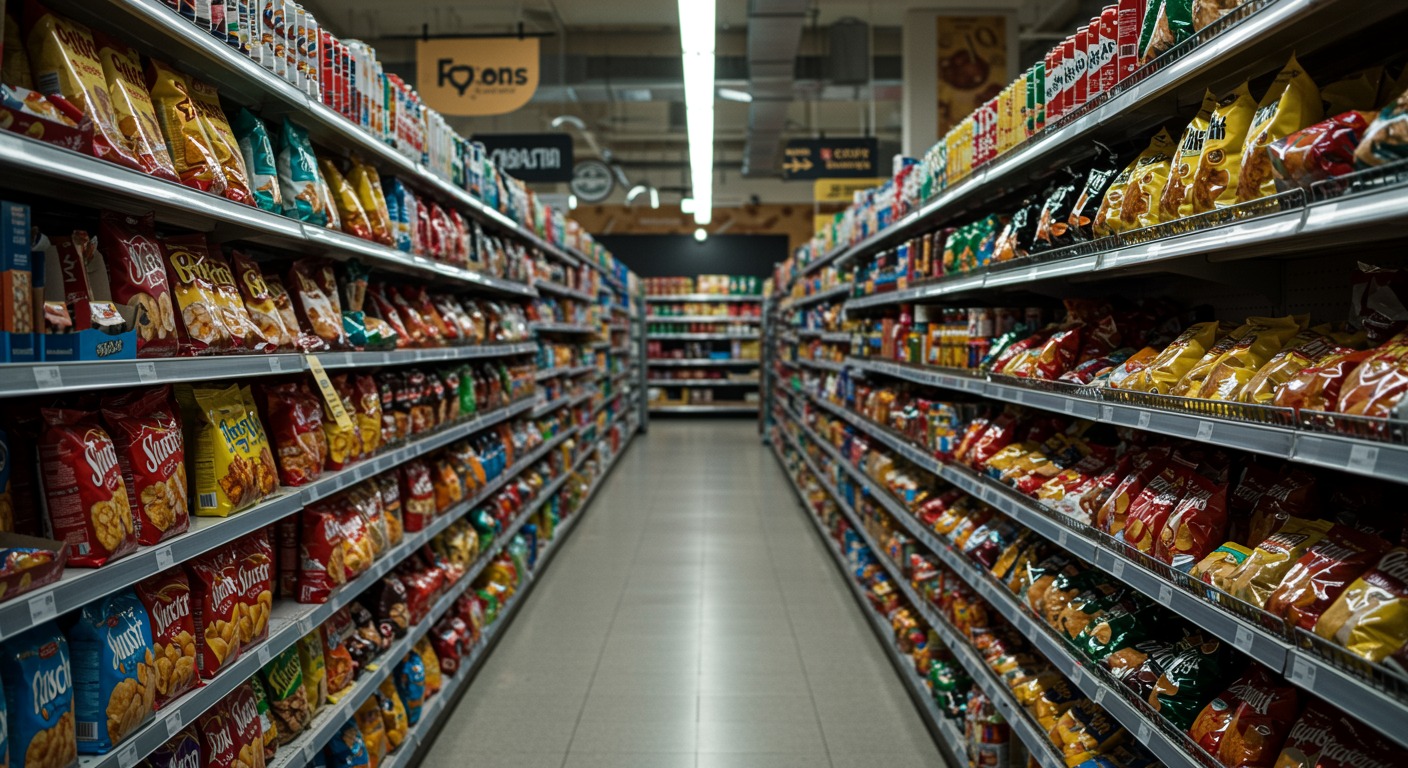
A study of nearly 4,800 U.S. adults found that people who ate the most ultra-processed foods had a 47% higher risk of heart attack or stroke. On average, participants got 26% of their daily calories from these foods. That is roughly one out of every four calories coming from items that have been heavily altered from their original form.
A 47% increase is not a small bump. And the fact that it held up even after adjusting for smoking, income, and other risk factors makes it hard to dismiss. Most of us already know that junk food is bad for us, but this study really hits home the magnitude of their effect on our health. It is just like I always tell my kids: garbage in, garbage out.
Key finding: A 47% higher risk of heart attack or stroke among the highest consumers of ultra-processed foods, even after adjusting for other risk factors.
2-3 Cups of Coffee a Day Linked to 18% Lower Dementia Risk
A JAMA study followed 131,821 people for up to 43 years and found that drinking 2 to 3 cups of caffeinated coffee daily was associated with an 18% lower risk of developing dementia. Tea showed similar benefits at 1 to 2 cups per day. But decaffeinated coffee showed no protective effect, which strongly suggests caffeine itself is the active ingredient.
The scale and duration of this study are what make it stand out. Following people for 43 years eliminates a lot of the noise that plagues shorter studies. And the 18% reduction in dementia risk is clinically meaningful, comparable to or better than some pharmaceutical interventions in Alzheimer’s prevention trials. For the millions of us who already drink coffee every morning, this is genuinely reassuring data.
Key finding: 131,821 people followed for 43 years. Caffeinated coffee at 2-3 cups/day linked to 18% lower dementia risk. Decaf showed zero benefit.
Stay curious. Stay skeptical. And stay healthy.
Dr. Kumar