
Hi everyone,
This was a big week. I sat down with a photobiomodulation expert on the podcast and came away genuinely convinced that everyone should have a red light device at home. That conversation led me down a deep rabbit hole into the clinical research, and the evidence for pain, brain health, skin, and hair loss is far more substantial than I expected. Beyond light therapy, a team at Penn and Mayo Clinic developed a blood test that catches pancreatic cancer with 92% accuracy, a massive veterans study showed what happens when you stop GLP-1 drugs, and the shingles vaccine turned out to protect more than just your skin.
This Week’s Podcast Spotlight
Episode 37: Why Light is the Most Powerful ‘Drug’ You’re Not Using
This is one of those episodes that completely changed how I think about a topic. I talked with Dr. Jason Rountree, a clinical photobiomodulation expert and Clinic Director of Montana Laser and Medical Center, about how red and near-infrared light can modulate our biology at the cellular level. I went in skeptical, and came out a believer.
Here is the basic science: specific wavelengths of light, particularly in the 650 to 1,064 nm range, pass through the skin and are absorbed by cytochrome c oxidase in your mitochondria. That is the rate-limiting step of ATP production. When light hits it, your cells produce more energy, which drives everything from tissue repair to reduced inflammation. We also talked about something that really caught my attention: transcranial photobiomodulation, where near-infrared light actually penetrates the skull and can improve glymphatic flow in the brain. The implications for neurodegenerative disease are significant.
Three practical takeaways from this episode:
- You do not need a clinical-grade laser for home use. A quality LED panel with verified energy density of at least 100 mW/cm2 and correct wavelengths (660 nm for surface, 800-1,064 nm for deeper tissues) can deliver meaningful results for skin, pain, and general wellness.
- For darker skin tones, 1,064 nm light bypasses melanin absorption and reaches deeper tissues more effectively. Wavelength matters.
- Consistency is everything. Five days a week, even five minutes a session, is what produces results. Treat it like going to the gym.
This Week in Health Science
Here is what stood out from the research this week. These studies fascinated me, and I think you will find them practically useful.
Red Light Therapy for Knee Osteoarthritis: Dose Is Everything
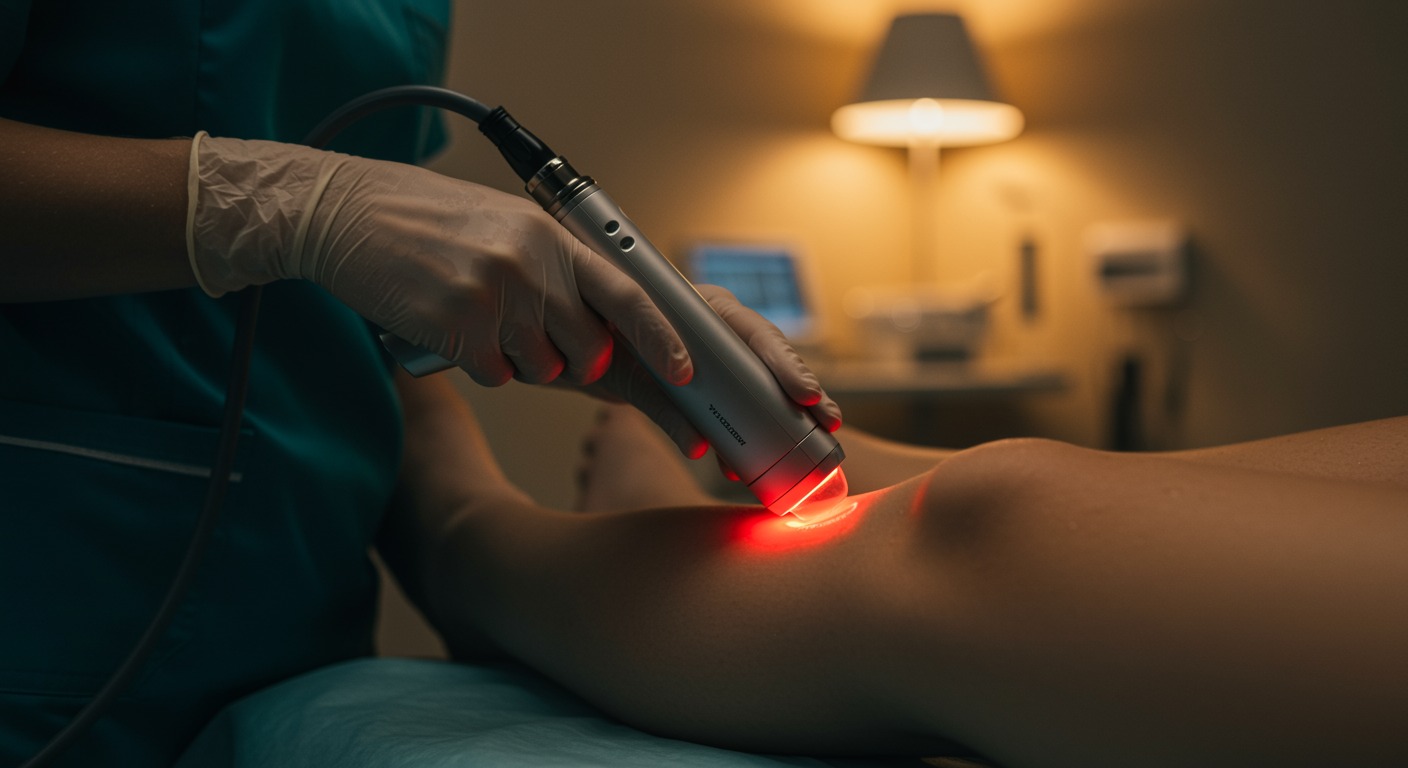
This one ties directly into the podcast. A systematic review and meta-analysis of placebo-controlled trials found that red light therapy significantly reduced pain and disability in knee osteoarthritis, but the key finding was a clear dose-response relationship. Higher recommended doses produced better results than lower ones. This is something Dr. Rountree and I talked about in the episode: getting the dose right is the difference between “that flashlight did nothing” and genuine pain relief. I experienced this firsthand with my own back pain, and the research backs it up.
Key finding: Red light therapy significantly reduced knee osteoarthritis pain and disability, with a clear dose-response relationship showing that higher recommended doses produced better results.
83% of Studies Show Red Light Improves Cognitive Function

This was the finding from the podcast conversation that surprised me most. A systematic review of 35 human studies found that 83% reported positive improvements in cognitive function after transcranial photobiomodulation. All nine studies on participants with cognitive impairment or dementia showed improvements. The idea that shining near-infrared light on your head can measurably improve how you think is something I would have dismissed a few years ago. The data says otherwise.
Key finding: 83% of 35 human studies showed cognitive improvement from transcranial photobiomodulation, with a 100% positive response rate in studies of patients with cognitive impairment or dementia.
Transcranial Red Light Therapy Shows Promise for Depression
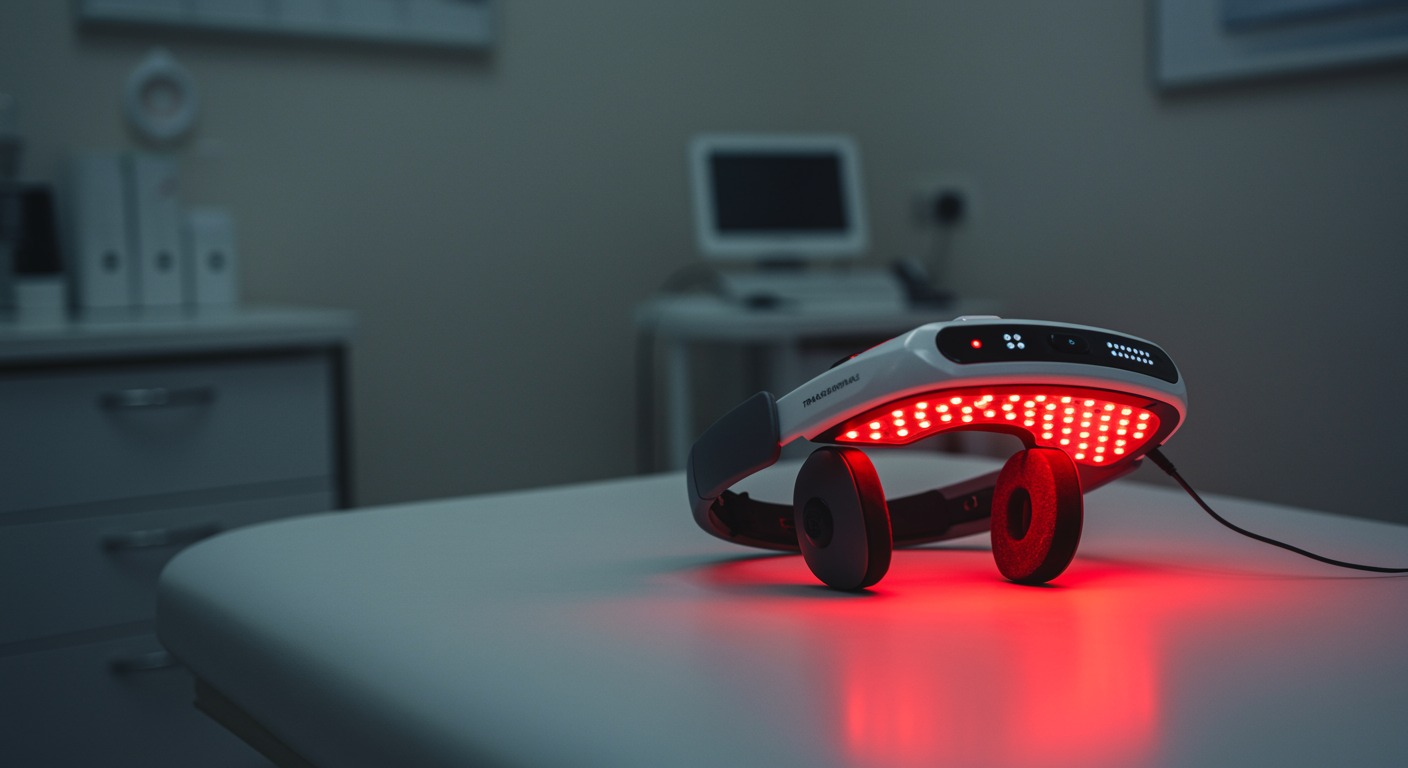
Staying in the brain health space, this review found that transcranial photobiomodulation with near-infrared light shows promise as a well-tolerated, easy-to-use treatment for major depressive disorder. What makes this particularly interesting is the gap it could fill: between medications that carry significant side effects and device-based therapies like TMS that require repeated clinic visits. A portable, at-home light device for depression would be a meaningful advance if larger trials confirm these early results.
Key finding: Transcranial photobiomodulation with near-infrared light shows early promise for major depressive disorder, offering a well-tolerated option between medication and clinic-based treatments.
My book, 2mm, is almost here. It is the story of seven years inside the operating room, where every decision is measured in millimeters and every millimeter matters. If you want to be the first to know when it is available, leave your email at 2mmbook.com.
A Simple Blood Test Detects Pancreatic Cancer Early with 92% Accuracy
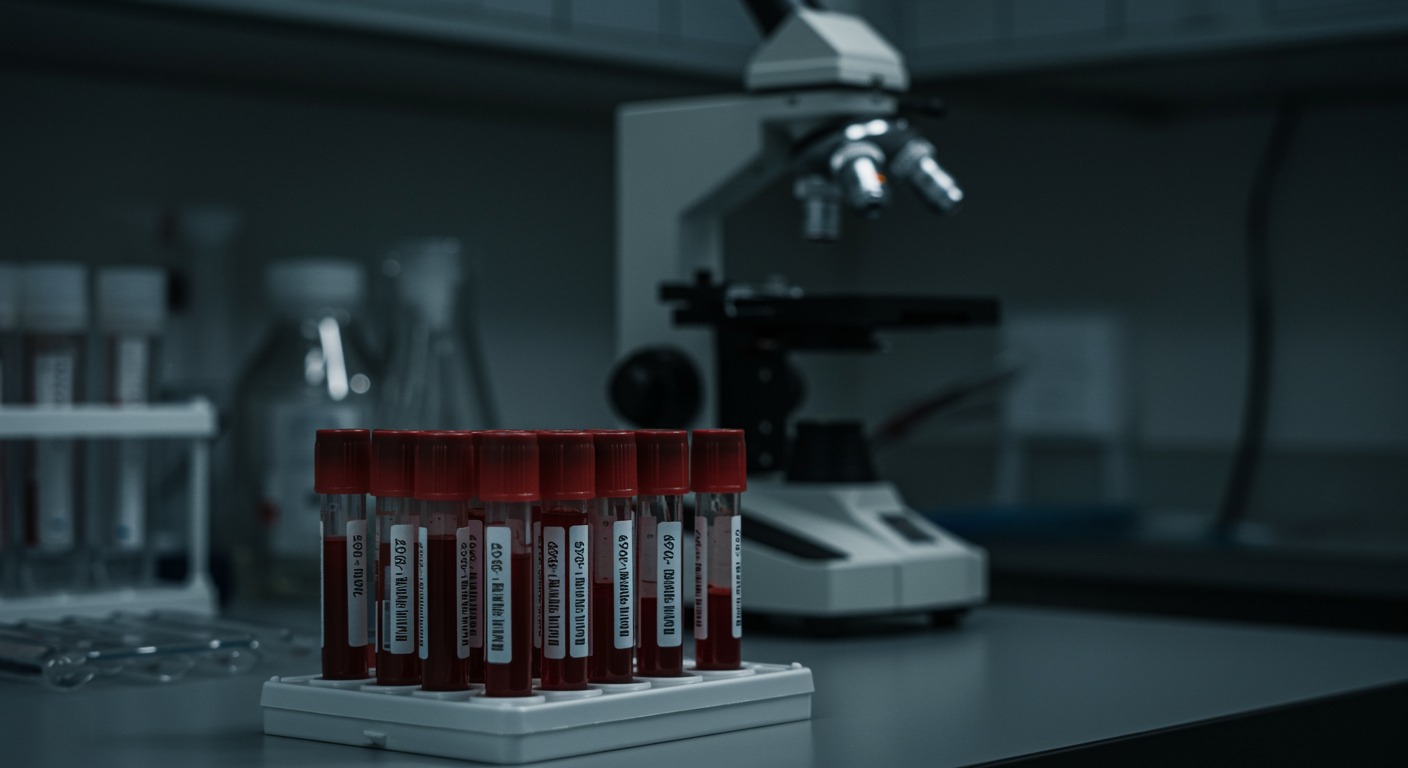
This is genuinely exciting. Researchers at the University of Pennsylvania and Mayo Clinic developed a four-protein blood test that detected pancreatic cancer with 91.9% accuracy across all stages. For early-stage disease, the test still caught 87.5% of cases with only a 5% false positive rate. Pancreatic cancer is one of the deadliest cancers specifically because it is usually found too late. A simple blood draw that can catch it early enough for surgery could fundamentally change survival rates for this disease.
Key finding: A four-protein blood test detected pancreatic cancer with 91.9% accuracy overall and 87.5% sensitivity for early-stage disease, with just a 5% false positive rate.
Stopping GLP-1 Drugs Quickly Erases Their Heart Protection

A massive study of over 333,000 U.S. veterans with type 2 diabetes found that stopping GLP-1 medications erased years of cardiovascular benefits within months. Researchers called this rapid reversal “metabolic whiplash.” This has real implications for the millions of people currently taking semaglutide (Ozempic, Wegovy) or liraglutide (Victoza). If the cardiovascular protection only lasts as long as you keep taking the drug, that fundamentally changes the conversation about how long people should stay on these medications.
Key finding: Stopping GLP-1 drugs reversed years of cardiovascular benefits within months, a phenomenon researchers have termed “metabolic whiplash.”
Shingles Vaccine Cuts Heart Attack Risk Nearly in Half
This was a surprise. A large study of over 246,000 U.S. adults with heart disease found that those who got the shingles vaccine were 46% less likely to suffer a major cardiac event and 66% less likely to die from any cause within one year. Vaccinated patients also had a 32% lower risk of heart attack, 25% lower risk of stroke, and 25% lower risk of heart failure. The connection between chronic viral infection and cardiovascular disease keeps getting stronger, and this suggests that controlling herpes zoster reactivation may be one of the more impactful things you can do for your heart.
Key finding: The shingles vaccine reduced major cardiac events by 46% and all-cause mortality by 66% within one year in people with existing heart disease.
Ultra-Processed Food May Lower Fertility and Slow Early Embryo Growth

A study of 831 women and 651 male partners found that men who ate more ultra-processed food had a higher risk of subfertility and took longer to conceive. In women, higher ultra-processed food intake was linked to slightly smaller embryos at seven weeks of pregnancy. This is a prospective cohort study that tracked couples from before conception through early pregnancy, so the data is stronger than a typical observational snapshot. If you are trying to conceive or planning to, this is worth paying attention to on both sides.
Key finding: Men who ate more ultra-processed food had a higher risk of subfertility, while in women it was linked to smaller embryo size at seven weeks.
Semaglutide Linked to 42% Lower Risk of Worsening Mental Illness

On the flip side of the GLP-1 story above, a large Swedish study of over 95,000 adults found that semaglutide was linked to a 42% lower risk of worsening mental illness in people who already had depression or anxiety. This is one of the largest studies to date exploring whether GLP-1 drugs might also protect mental health. Taken together with the cardiovascular data, it paints a complex picture: these drugs appear to have broad systemic benefits, but only while you keep taking them.
Key finding: Semaglutide was associated with a 42% lower risk of worsening depression and anxiety in a study of over 95,000 adults.
Stay curious. Stay skeptical. And stay healthy.
Dr. Kumar