
Hi,
This was one of those weeks where I kept reading studies and thinking, “people need to know about this.” Five papers crossed my desk, and every single one had something practical you could actually use. Meal timing, brain games, a new cholesterol pill, a smarter way to fast, and a brain network that could change how we treat Parkinson’s. Plus, I want to revisit a topic that affects nearly half the world and almost nobody talks about: vitamin D.
Let’s get into it.
This Week’s Podcast Spotlight
Episode 6: The Silent Epidemic, Are You Low on Vitamin D?
I recorded this episode because I lived this problem. Nearly half the world is deficient in vitamin D, and most people have no idea. This isn’t just about bones. Vitamin D acts more like a hormone than a vitamin. It regulates over a thousand genes, affects your immune system, your mood, your metabolism, and even your muscle strength.
In the episode, I share the story of my grandmother and how deficiency quietly affected her health for years. I walk through how sunlight converts cholesterol into vitamin D through your skin, why even people in sunny places can be deficient, and what the research says about optimal blood levels.
I also go over a protocol I use with my own family called the Vitamin D Hammer, a short-course, high-dose strategy for when you feel something coming on. It’s not a replacement for good baseline levels, but it’s a tool worth knowing about.
My practical take: Get your 25-hydroxyvitamin D level checked. If you’re below 40 ng/mL, talk to your doctor about supplementing with D3. And if you do supplement, pair it with vitamin K2. I explain why in the episode.
This Week in Health Science
Here’s what stood out from the research this week. These studies fascinated me because every one of them has something you can actually apply to your life.
Eating Within an 8-Hour Window Cut Crohn’s Symptoms by 40%
A randomized controlled trial in Gastroenterology found that people with Crohn’s disease who ate all their meals within an 8-hour window saw a 40% drop in disease activity over 12 weeks. Their belly pain was cut in half. They lost an average of 5.5 pounds. And their inflammation markers improved. The control group? Gained weight.
What makes this remarkable is that both groups ate the same types and amounts of food. The only difference was the eating window. That tells us something important about how our digestive system responds to rest periods.
This is early, and anyone with Crohn’s should talk to their doctor before changing anything. But a lifestyle change producing this kind of result in a gold-standard trial is worth paying attention to.
A Daily Pill That Cuts LDL Cholesterol by 57%
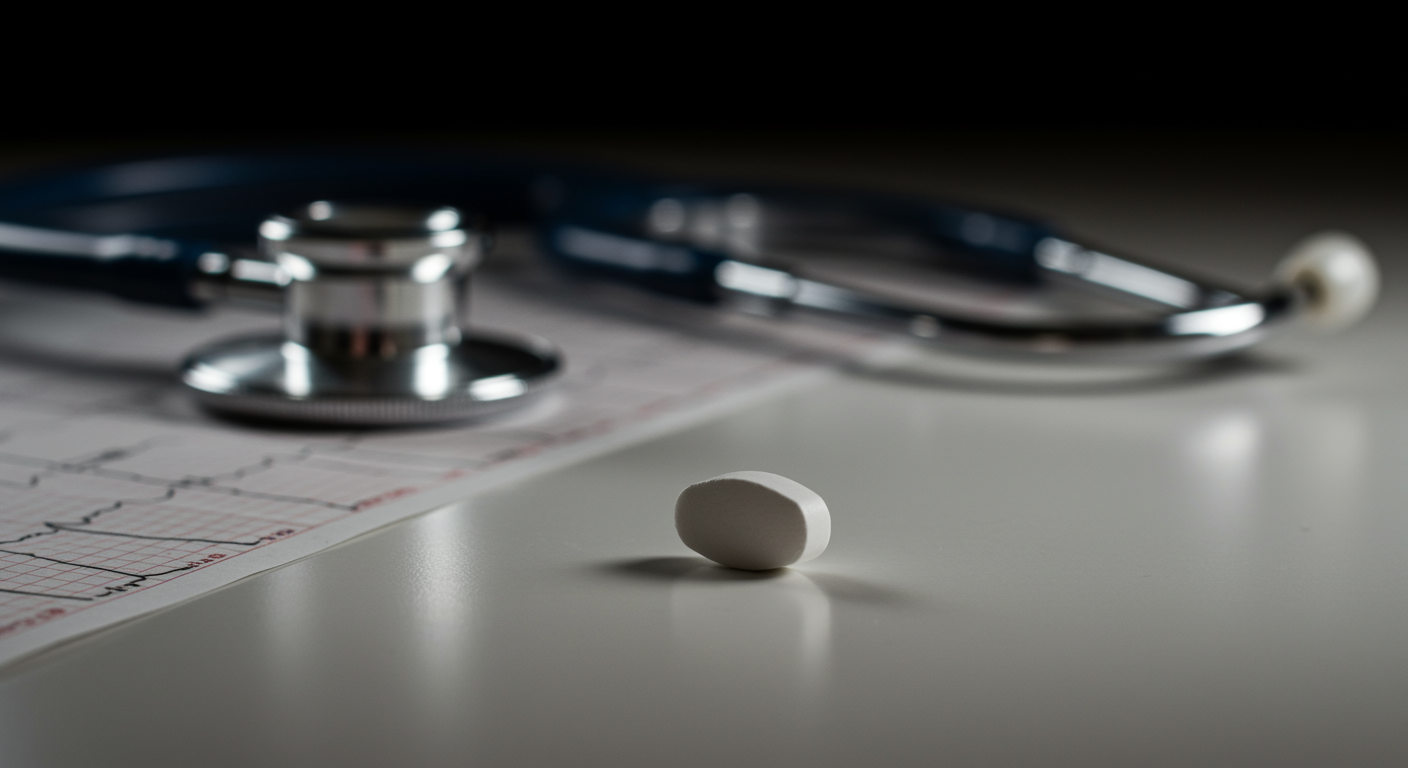
Published in the New England Journal of Medicine, a phase 3 trial showed that a new oral drug called enlicitide lowered LDL cholesterol by 57% at 24 weeks. That matches the injectable PCSK9 inhibitors (Repatha, Praluent) that have been around for years, but in a daily pill.
Now, I want to be honest here: I don’t think aggressively lowering cholesterol is always the answer for preventing cardiovascular disease. For some people it’s critical, especially those with familial hypercholesterolemia or a history of cardiac events. But for others, the picture is more nuanced. Inflammation, metabolic health, lifestyle factors, these all play a role, and not every patient needs their LDL driven into the ground. That said, for the people who genuinely need a PCSK9 inhibitor but have been skipping it because of the needle, having a pill option is a real step forward. We still need long-term outcomes data showing it actually prevents heart attacks and strokes, but this is one to watch.
5 Weeks of Brain Training Reduced Dementia Risk for 20 Years
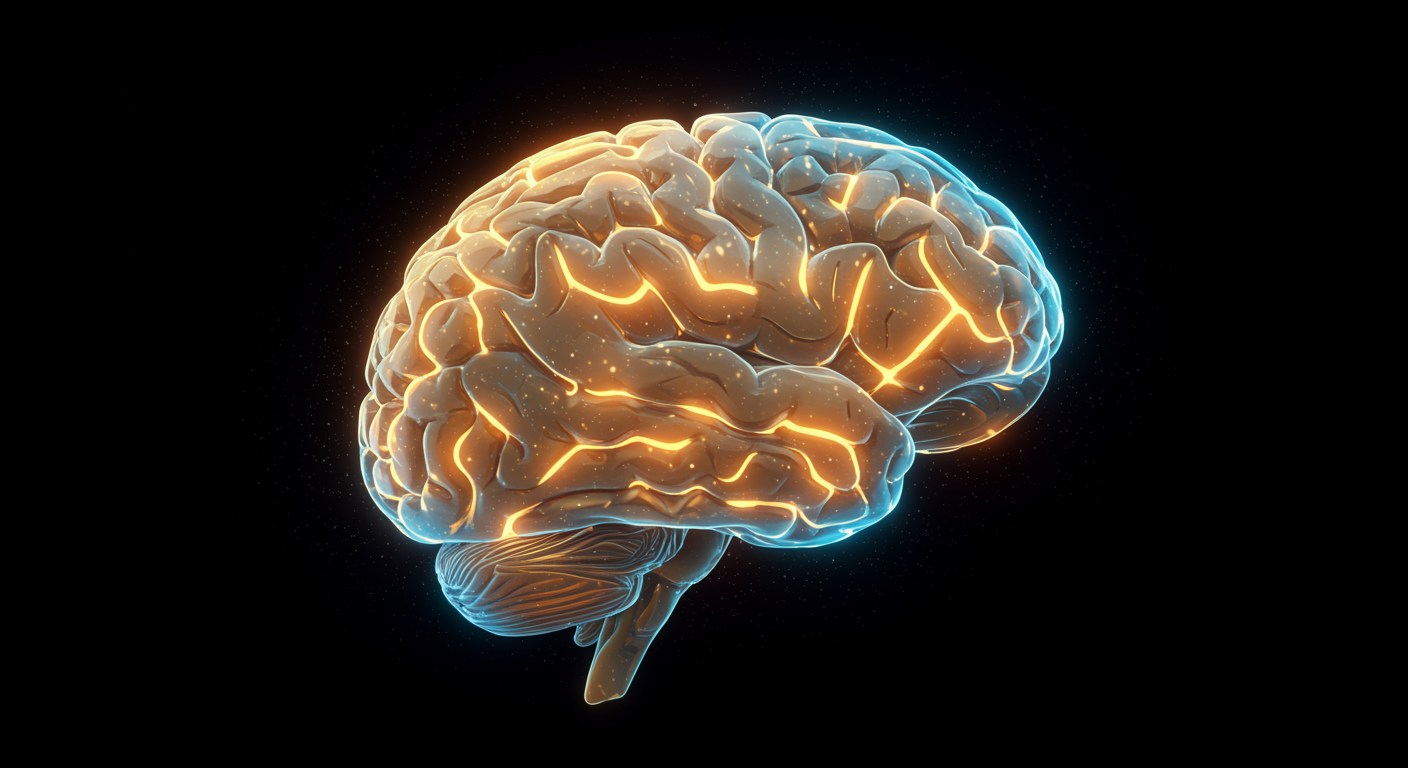
A 20-year NIH-funded trial followed over 2,000 adults aged 65 and older. Those who completed five to six weeks of “speed of processing” brain training, plus booster sessions, had a 25% lower risk of developing dementia. It was the only type of cognitive training out of three tested that showed a lasting protective effect.
What’s interesting is why. Speed training uses implicit learning, meaning it’s more like building a habit or muscle memory than consciously studying strategies. The tasks are adaptive, getting harder as you improve. Memory and reasoning training, which use a different type of learning, didn’t show the same protection.
Five weeks of training. Twenty years of protection. That’s a remarkable return for a non-drug intervention.
Stop Eating 3 Hours Before Bed, and Your Heart Will Thank You
A Northwestern Medicine study found that simply stopping eating three hours before bedtime and extending the overnight fast by about two hours lowered nighttime blood pressure by 3.5% and heart rate by 5%. Blood sugar control improved during the day too. Nearly 90% of participants stuck with the program.
What I like about this one is how practical it is. No special foods. No calorie counting. Just align your fasting window with your sleep schedule. The researchers anchored everything to each person’s natural sleep-wake cycle, which is a smarter approach than using a fixed clock time.
A Brain Network That Could Change How We Treat Parkinson’s
A study published in Nature analyzing 863 patients found that a brain network called the somato-cognitive action network (SCAN) is central to Parkinson’s disease. When treatments targeted this network directly, the response rate was 56% compared to just 22% when targeting other areas. That’s a 2.5-fold improvement.
This matters because Parkinson’s has always been hard to explain. It starts with sleep and digestive problems, then moves to tremors, then affects thinking and motivation. No single brain region could account for all of that. The SCAN ties it all together. And every effective treatment, whether pills, brain stimulation, surgery, works by reducing the overconnectivity between this network and deeper brain structures. This could lead to far more precise and effective treatments down the road.
The Week in Numbers
Stay curious. Stay skeptical. And stay healthy.
Dr. Kumar
Share this with a friend who’s trying to stay on top of the latest in health and medicine. It takes two seconds and it means a lot.