
Hi everyone,
This was a really interesting week in health science. A 96,000-person study found that just 15 minutes a week of hard exercise beats hours of gentle movement, a Japanese study showed that cooking at home can cut dementia risk by up to 27%, and one of the largest alcohol studies ever done revealed a striking split between wine and everything else when it comes to your heart. I also dug into some fascinating research on cold weather and heart attacks, brain rejuvenation after stroke, and why your dreams may be more important to sleep quality than anyone thought.
This Week’s Podcast Spotlight
Episode 38: Glyphosate Is in Your Food. Here’s What the Science Actually Says
This week I did a deep dive on glyphosate, the most widely used herbicide in the world, and there is a very good chance it is already inside your body. It has been detected in human urine, blood, and breast milk. The FDA’s own testing found it on 63% of corn and 67% of soybean samples. What fascinated me most is the mechanism: glyphosate was marketed as safe for humans because the enzyme it targets does not exist in human cells. But it does exist in your gut bacteria, and that changes the entire risk picture.
I also cover why oat-based products consistently test highest for glyphosate residues (it comes down to a practice called pre-harvest desiccation), what the 2025 Ramazzini Institute study found at doses regulators currently consider safe, and why the US government just invoked a wartime statute to produce more of it.
Three things worth knowing from this episode:
- The shikimate pathway that glyphosate blocks does not exist in human cells, but it does exist in your gut bacteria, which means it can disrupt your microbiome and reduce production of tryptophan, a precursor to serotonin.
- Switching to organic oatmeal and organic grains is the single highest-impact dietary change for reducing glyphosate exposure. Reverse osmosis water filtration also effectively removes it.
- Over 100,000 people have sued the manufacturer claiming glyphosate caused their non-Hodgkin lymphoma, and over $10 billion in settlements have been paid.
This Week in Health Science
Here is what stood out from the research this week. These studies fascinated me, and I think you will find them practically useful.
Why Hard Exercise Beats Long Workouts for Disease Prevention

This one really hit home for me. A study of over 96,000 people wearing wrist accelerometers found that exercise intensity matters far more than total exercise volume for preventing chronic disease. People who did just 15 to 20 minutes per week of hard, breathless exercise had dramatically better outcomes than those who exercised longer but less intensely. The numbers are striking: a 63% lower risk of dementia, 60% lower risk of type 2 diabetes, and 31% lower risk of major heart events. For inflammatory conditions like arthritis, intensity accounted for 20 times more disease prevention than volume alone.
Key finding: Just 15 to 20 minutes per week of vigorous exercise, the kind that leaves you breathless, cut disease risk far more than total exercise volume in a study of 96,000 people.
Wine vs. Beer vs. Spirits: A 340,000-Person Study Reveals Which Is Safest
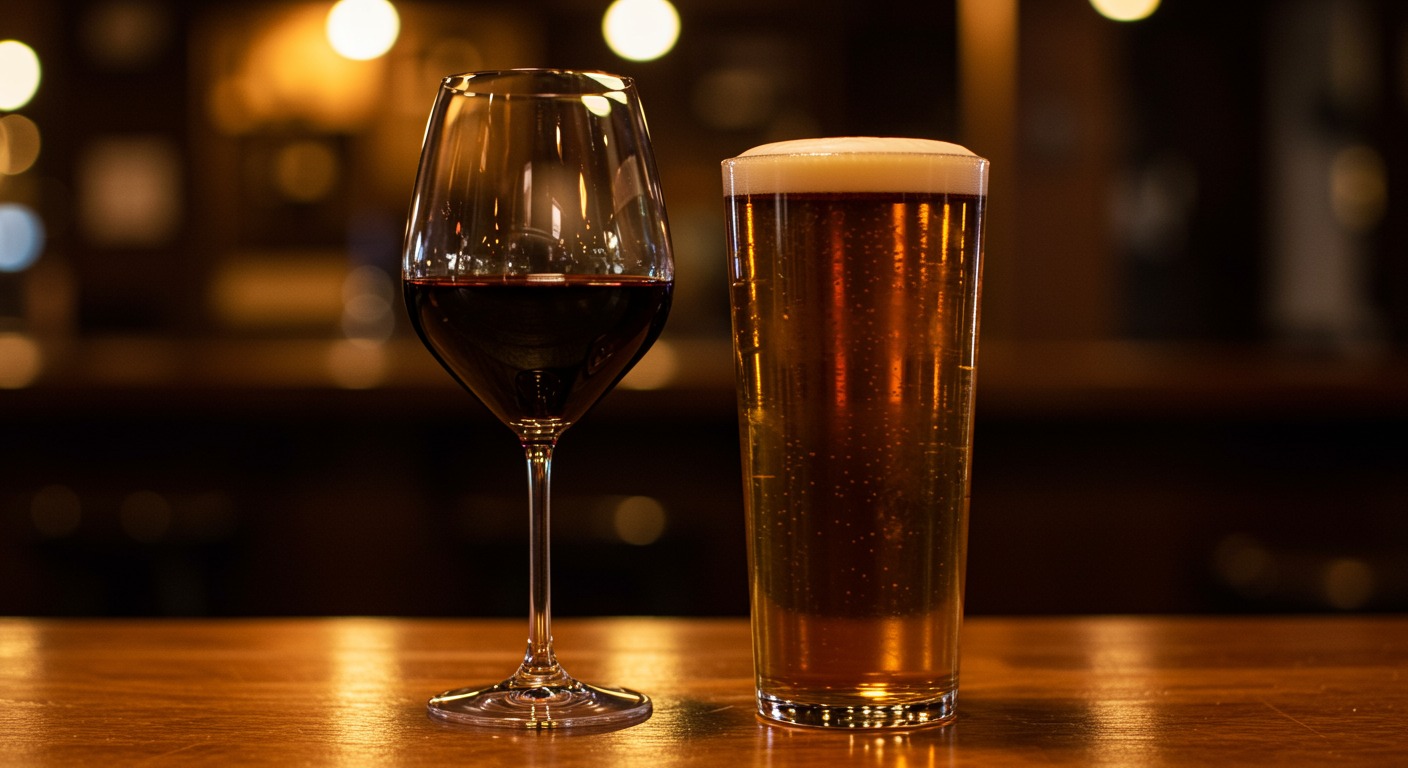
This was a genuinely helpful study because it moves beyond the tired “is alcohol good or bad?” debate and gets specific. Researchers tracked 340,924 British adults from the UK Biobank for over 13 years. At high levels, all alcohol was equally harmful. But at low to moderate levels, the split was striking: wine drinkers had a 21% lower risk of cardiovascular death, while even low levels of beer, cider, or spirits were linked to a 9% higher risk. Wine is typically consumed with meals, which slows absorption, and wine drinkers tend to have higher-quality diets overall. Nobody should start drinking wine for health benefits, but if you already enjoy a glass with dinner, this is reassuring.
Key finding: Moderate wine drinkers had a 21% lower cardiovascular death risk, while even low levels of beer or spirits raised it by 9%, in a study of over 340,000 adults.
Cooking at Home Once a Week May Cut Dementia Risk by Up to 27%
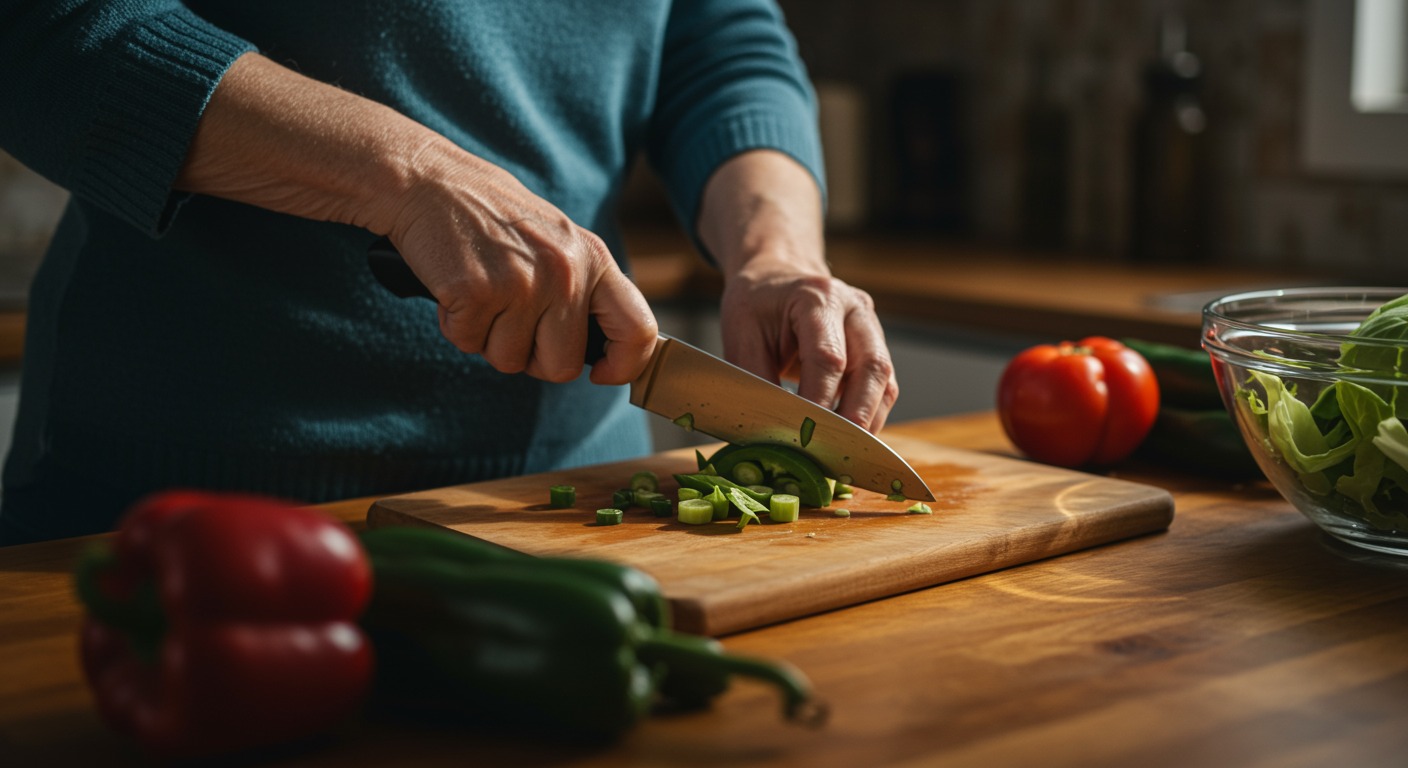
I found this one particularly compelling because it highlights something most of us overlook. Cooking is not just about nutrition. It is a full cognitive workout: planning a meal, remembering ingredients, following steps in order, adjusting on the fly. That is executive function, working memory, and multitasking all in one daily activity. A Japanese study of nearly 11,000 adults aged 65 and older found that cooking at home at least once a week was linked to a 23 to 27% lower risk of developing dementia over six years. The most striking part: people with limited cooking skills who still cooked regularly saw a 67% reduction in dementia risk, suggesting it is the mental challenge, not the skill itself, that protects the brain.
Key finding: Home cooking at least once a week was linked to 23 to 27% lower dementia risk, with an even more impressive 67% reduction among those with limited cooking skills.
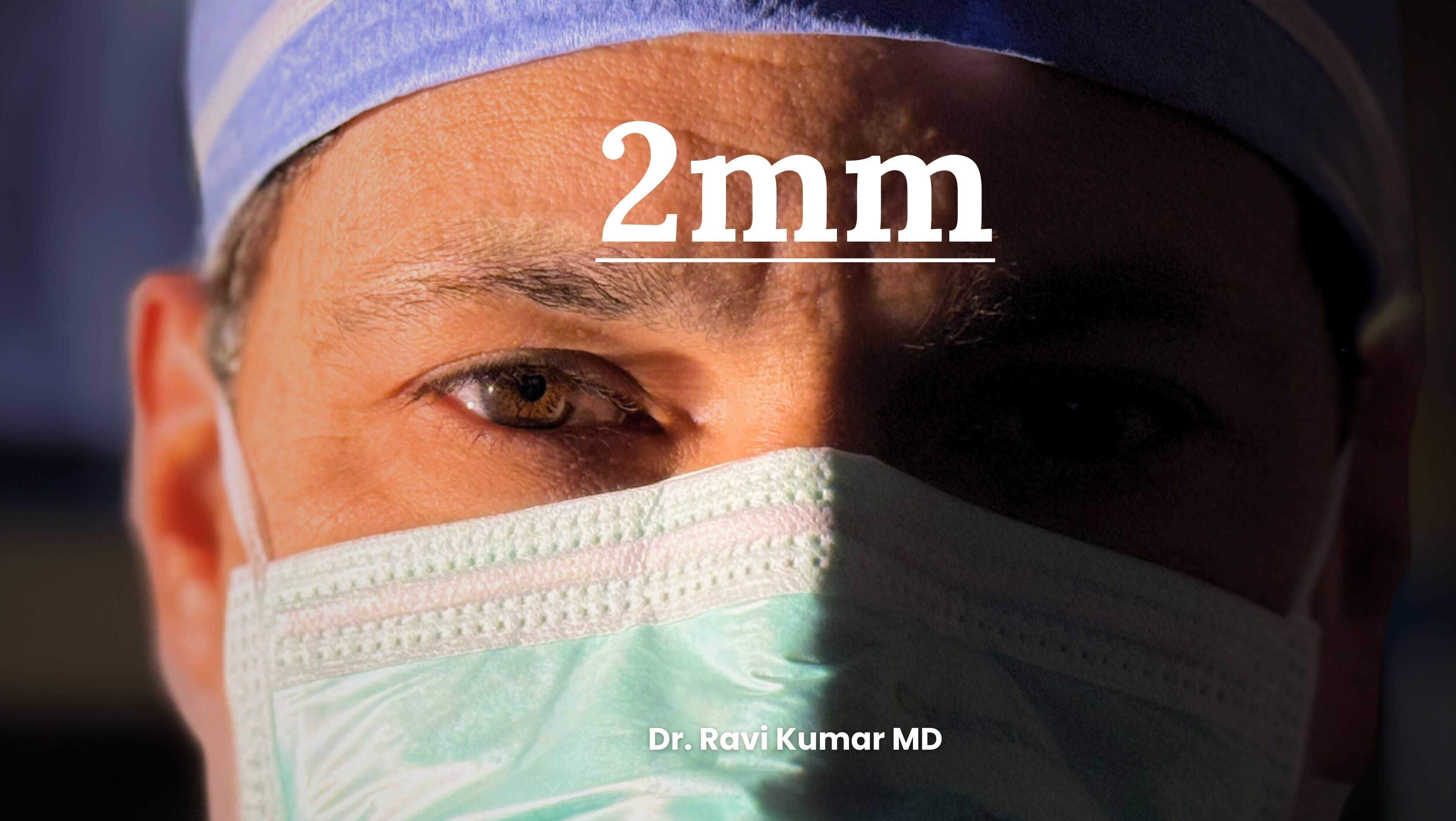
My book, 2mm, is almost here. It is the story of seven years inside the operating room, where every decision is measured in millimeters and every millimeter matters. If you want to be the first to know when it is available, leave your email at 2mmbook.com.
Cold Weather Kills 20 Times More Hearts Than Heat

Most people worry about heat waves when they think about weather and health. This study flips that assumption. Researchers analyzed over 14 million cardiovascular deaths across 819 U.S. counties over two decades and found that cold weather accounts for roughly 40,000 excess heart deaths per year, compared to only about 2,000 from heat. The safest temperature for your heart turned out to be around 74 degrees Fahrenheit (23 degrees Celsius). Cold triggers vasoconstriction, raises blood pressure, increases inflammation, and makes blood more likely to clot. For anyone with existing heart disease, this is worth taking seriously as we head into the colder months.
Key finding: Cold weather causes roughly 40,000 excess cardiovascular deaths per year in the U.S., about 20 times the toll from heat, with the safest heart temperature around 74 degrees Fahrenheit.
After a Stroke, the Undamaged Side of Your Brain May Get Younger

This one fascinated me. An international study of 501 stroke survivors across 34 research sites in eight countries found something paradoxical: while the damaged side of the brain ages faster after a stroke, the undamaged side actually appears to “rejuvenate,” showing younger-than-expected brain structure. The more severe the motor impairment, the more pronounced this rejuvenation effect. Researchers believe this is the brain actively fighting back, ramping up compensatory mechanisms in its healthy regions. This finding could eventually help doctors personalize rehabilitation by measuring how much compensatory potential a patient’s brain still has.
Key finding: After a severe stroke, the undamaged brain hemisphere shows signs of rejuvenation, with more severe motor impairment driving stronger compensatory responses.
Vivid Dreams During Light Sleep Make You Feel More Deeply Rested
This study reframes how we think about sleep quality. For decades, sleep science assumed that feeling deeply asleep came only from reduced brain activity. But researchers using high-density EEG and over 1,000 overnight awakenings found that vivid, immersive dreams during lighter sleep stages (NREM2, which makes up about half your night) made people feel like they had slept more deeply, even as their biological sleep pressure declined. Dream immersiveness actually increased across the night, compensating for the natural lightening of sleep. If you wake up feeling unrested despite getting enough hours, your dream quality may be part of the equation. Alcohol, certain medications, and irregular sleep schedules are all known to suppress dreaming.
Key finding: Vivid dreaming during lighter sleep stages preserved the feeling of deep rest, suggesting dream quality is a hidden factor in how rested you feel each morning.
Stay curious. Stay skeptical. And stay healthy.
Dr. Kumar
Tap each statement to reveal the answer.
Hard exercise for 15 minutes a week is less effective than gentle exercise for an hour a day
Tap to revealCold weather causes roughly 20 times more cardiovascular deaths than heat
Tap to revealPeople who are bad at cooking get no brain benefit from doing it
Tap to reveal