Hi everyone,
Seven studies crossed my desk this week, and I kept coming back to a theme: things we assume are harmless that turn out to carry real consequences. A single Adderall pill spiking blood pressure in healthy young adults. Two sleep disorders combining to nearly quadruple heart disease risk. Oats quietly lowering cholesterol through a mechanism nobody expected. And a diet originally designed for blood pressure that turned out to be the best thing for your brain. Plus, I want to spotlight something that ties into a lot of what we cover on this show: cold water immersion and its remarkable effects on depression.
This Week’s Podcast Spotlight
Episode 34: The Natural Depression Treatment Doctors Don’t Tell You About
This might be one of the most fascinating conversations I have had on the show. I sat down with Dr. Mark Harper, a consultant anesthesiologist who has spent years studying cold water physiology, and what he shared genuinely surprised me. Cold water immersion is showing depression remission rates of 60 to 80%, compared to roughly 40% with SSRIs. That is not a small difference.
In the episode, we get into the mammalian dive reflex, how cold exposure triggers a powerful neurobiological response through the trigeminal nerve and vagal tone, and why the principle of hormesis (controlled stress building resilience) explains how something as simple as cold water can rewire the brain’s stress response. We also talk about applications for PTSD, burnout, and chronic pain, and Dr. Harper walks through the safety protocols that matter.
Three practical takeaways from this episode:
- You do not need extreme cold to get the benefit. Water at 68 degrees Fahrenheit (20 degrees Celsius) already triggers maximum vasoconstriction and a strong physiological response. The key is the initial stress response, not prolonged exposure.
- Cold showers, immersion baths, and open water swimming each offer different levels of intensity. Start with cold showers, work gradually, and get your body in before your face to avoid the rare risk of autonomic conflict.
- The adaptation is cumulative and cross-functional. Regular cold exposure does not just help with cold tolerance; it attenuates your overall stress response, which can improve resilience to work stress, illness, and even surgical recovery.
This Week in Health Science
Here is what stood out from the research this week. Every one of these studies has something you can actually apply to your life.
Adderall and Heart Risk: What a Mayo Clinic Trial Found

A Mayo Clinic randomized clinical trial found that a single 25 mg dose of Adderall caused significant cardiovascular changes in healthy young adults who had never taken the drug. Systolic blood pressure jumped 10 points, and the heart rate response upon standing doubled. Stress hormones spiked. This is not about people with ADHD taking their medication as prescribed. This is about the millions of young adults using it recreationally without knowing what it does to their heart.
Key finding: A single dose of Adderall raised systolic blood pressure from 116 to 126 mm Hg and doubled the heart rate response upon standing in healthy young adults.
Insomnia Plus Sleep Apnea Raises Heart Disease Risk Nearly 4-Fold

A study of 937,598 U.S. veterans found that having both insomnia and sleep apnea, a combination called COMISA, raised cardiovascular disease risk 3.8 times and hypertension risk 2.4 times. That is far more dangerous than having either condition alone. What concerns me most is how often these two conditions go undiagnosed together. Doctors typically screen for one or the other, but this study makes a strong case that we need to look at the full picture of sleep health.
Key finding: Nearly a million veterans studied. Having both insomnia and sleep apnea raised heart disease risk 3.8-fold, far more than either condition alone.
Nearly 60% of U.S. Women May Have Heart Disease by 2050

An American Heart Association scientific statement projects that nearly 6 in 10 U.S. women will have at least one type of cardiovascular disease by 2050. The driving forces are high blood pressure, diabetes, and obesity, and the trends hit younger women and Black women the hardest. What caught my eye is a detail buried in the data: high cholesterol rates among women are actually projected to decline, yet cardiovascular disease is expected to surge. That is consistent with the idea that atherosclerosis begins with arterial damage from metabolic and inflammatory forces, not from cholesterol alone. The encouraging news is that even a 10% reduction in these risk factors could prevent 17 to 23% of cardiovascular events.
Key finding: Nearly a third of women ages 20 to 44 are projected to develop cardiovascular disease by 2050, with diabetes in that group expected to more than double.
My book, 2mm, is almost here. It is the story of seven years inside the operating room, where every decision is measured in millimeters and every millimeter matters. If you want to be the first to know when it is available, leave your email at 2mmbook.com.
Oats Lower Cholesterol Through Gut Bacteria, New Trial Finds
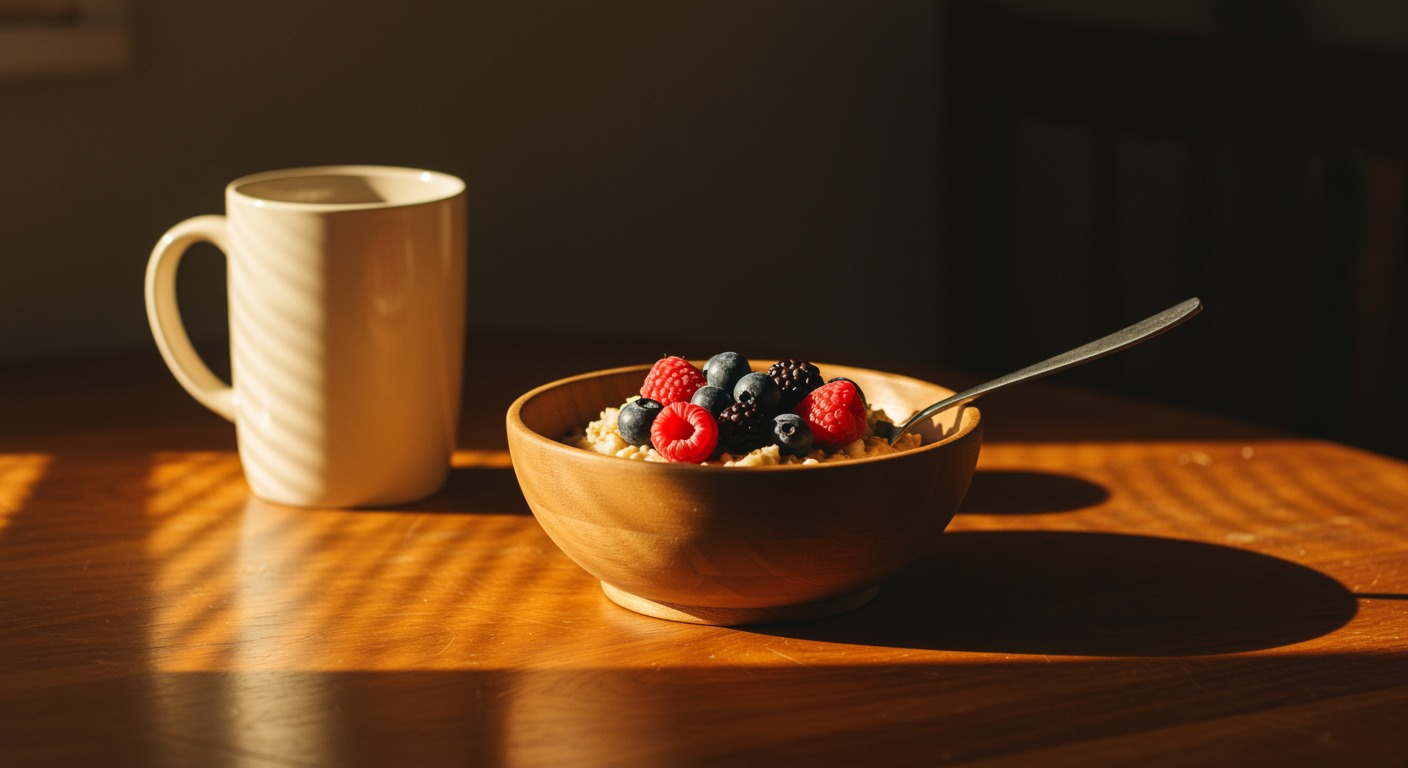
A randomized controlled trial found that eating oats for just two days lowered LDL cholesterol by about 10% in people with metabolic syndrome, and the effect lasted six weeks. The surprising part is the mechanism. It is not just the fiber. Your gut bacteria break down oats into phenolic compounds like ferulic acid, which then inhibit the same enzyme that statin drugs target. This is a small study, but the concept of oats working through your gut microbiome to lower cholesterol is genuinely fascinating.
Key finding: Just two days of high-dose oats lowered LDL cholesterol by roughly 10%, with the gut-bacteria-driven mechanism lasting six weeks.
The DASH Diet Beat Five Other Diets for Brain Protection

A JAMA Neurology study of over 159,000 U.S. adults found that the DASH diet outperformed five other popular dietary patterns, including the Mediterranean and MIND diets, in protecting against cognitive decline. People who followed it most closely had a 41% lower risk of cognitive decline. The protective effect came from vascular health, not calorie restriction. And it was strongest when healthy eating started in midlife, between ages 45 and 54. If you are in that age window, this one is worth paying attention to.
Key finding: The DASH diet produced a 41% lower risk of cognitive decline, beating the Mediterranean and MIND diets in a head-to-head comparison of over 159,000 adults.
Accelerated TMS: Depression Relief in Five Days Instead of Six Weeks

A UCLA study of 175 patients found that compressing TMS (transcranial magnetic stimulation) into five sessions per day over five days produced depression relief comparable to the standard six-week course. What really stands out is the delayed response. Patients who did not feel better right away still saw a 36% drop in depression scores two to four weeks later. The brain keeps rewiring after the stimulation ends. For the millions of people with treatment-resistant depression, having a one-week option instead of a six-week commitment could make this effective treatment far more accessible.
Key finding: Five days of accelerated TMS matched six weeks of standard treatment, with non-responders still improving by 36% in the weeks that followed.
Teen Cannabis Use Linked to Higher Risk of Psychotic and Mood Disorders

A study of over 463,000 teenagers published in JAMA Health Forum found that teens who used cannabis were more than twice as likely to develop psychotic or bipolar disorders later in life. Depression risk was 34% higher, and anxiety risk was 24% higher. The cannabis use came an average of 1.7 to 2.3 years before the psychiatric diagnosis. As a physician who sees young patients, this is data that every parent and pediatrician needs to see. The teenage brain is still forming, and the connection between cannabis and psychotic disorders did not weaken with age the way depression and anxiety did.
Key finding: Over 463,000 teens studied. Cannabis use doubled the risk of psychotic disorders, with use preceding diagnosis by nearly two years.
Stay curious. Stay skeptical. And stay healthy.
Dr. Kumar